
ICENAVI ROUTE FIT · VÍK NO-CAR
How well does Vík work without a car?
This score separates the appeal of the destination from the practical effort of reaching each stop. It reflects the route pattern in this guide, not a promise that conditions will stay unchanged.
Vík gives a clear base for the headline sights, but the final score reflects the need to match transport, daylight and weather before committing to an exposed coast day.
The black-sand coast, sea stacks and changing light give the area strong visual variety, with enough nearby choice to shape a day around conditions.
The weak point is the last connection: exposed viewpoints and spread-out stops can require a tour, a carefully timed service or a willingness to leave some stops out.
The plan is strongest when you can move the beach and viewpoint visits around the forecast, rather than treating the order as fixed when wind and visibility change.
Vík works when Reynisfjara is the priority

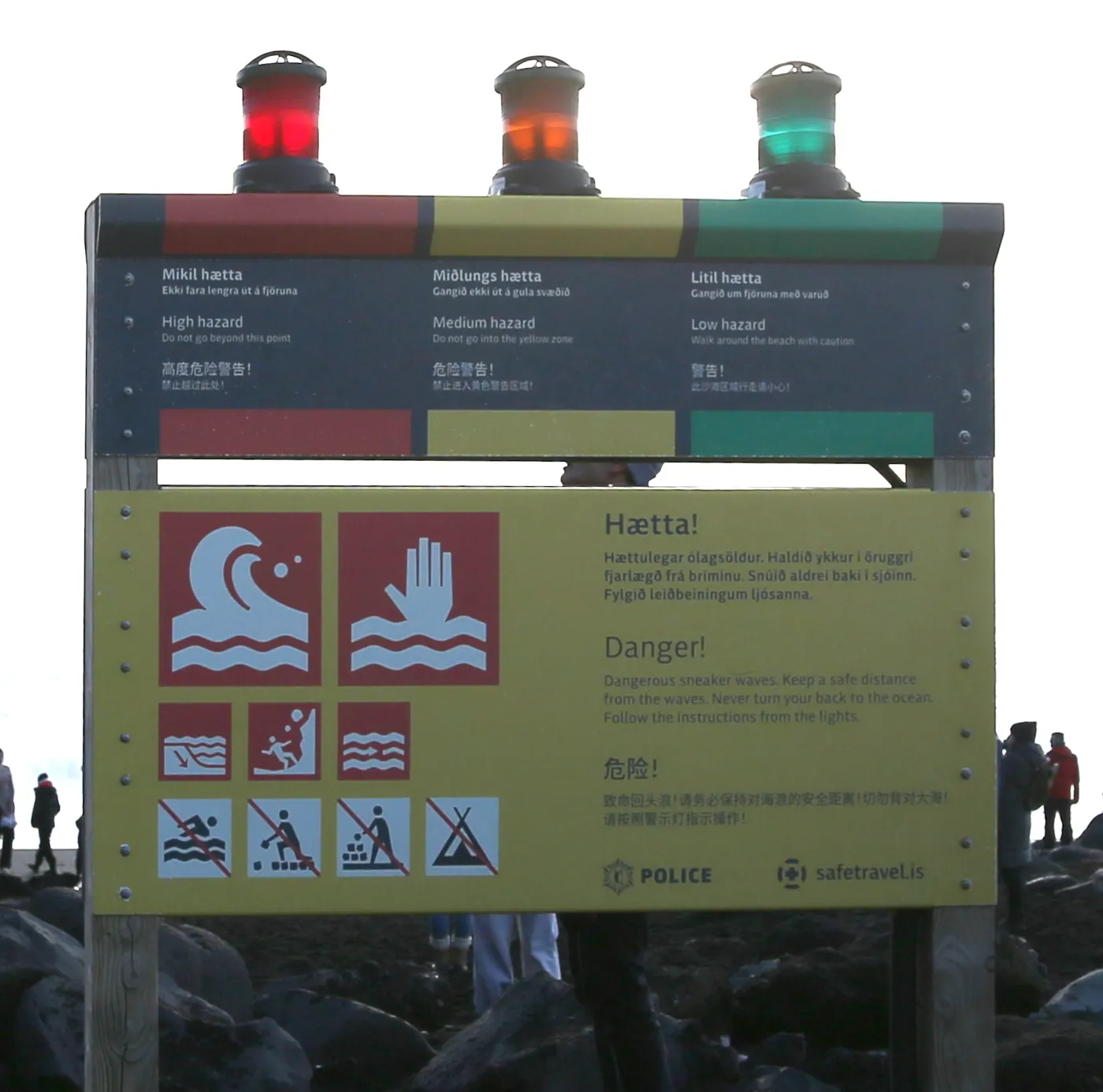
Reynisfjara is the clearest reason to stay near Vík when you are not driving. The village gives the route a practical centre, while the coast, Dyrhólaey and the wider South Coast can be handled as separate decisions instead of one overpacked transfer. That distinction matters when a beach visit depends on wind, visibility and the state of the road. A fixed schedule may look efficient on paper, yet it can leave you with no useful alternative when the exposed coast is unpleasant or unsafe.
The no-car version works best when you decide the overnight base first, then select the transport option that actually serves the day's priority. A guided tour can cover the long gaps, while a public connection may suit a shorter plan with fewer stops. If you want a fuller comparison of the South Coast options, see how to choose a South Coast day tour. The important question is not how many pins fit on a map; it is whether the order leaves enough time for the stop you came to see.
One flexible day is better than a crowded sightseeing list
Start with the stop whose conditions matter most, then use the remaining time for places that are less exposed or easier to leave. Reynisfjara deserves that priority because the beach is visually distinctive but also demands attention to the sea and the conditions underfoot. Dyrhólaey can complete the coastal picture when the approach and visibility make sense; the farther waterfalls belong in the same day only when the transport plan gives you enough margin.
| Planning choice | Best use | What it protects | Where it can fail |
|---|---|---|---|
| Stay in Vík and use a guided day tour | Cover several headline stops | Reduces the number of separate connections to arrange | A fixed departure can leave little room for a weather change |
| Use public transport for a shorter plan | Keep the day focused around one or two stops | Lets you avoid building a route around distant detours | Service times may not line up with the beach and viewpoint sequence |
| Put Reynisfjara first | Use the clearest weather window for the exposed coast | Protects the main reason for choosing this base | You may need to drop a later stop if conditions or timing shift |
| Add the route towards KEF | Connect the South Coast plan with the airport journey | Can make a wider itinerary feel more coherent | Extra travel time reduces the margin for an already weather-sensitive day |
Where Vík fits in the wider South Coast route
Vík is a useful pause in a South Coast itinerary because it gives you a place to separate the coastal priorities from the longer journey. If the weather changes, you can reassess the beach and viewpoint without also having to move your accommodation. See the Vík destination guide for the base itself and the surrounding route context.
One night can be enough when the stop is part of a fast transfer, but two nights create a more usable weather window for Reynisfjara and Dyrhólaey. The decision depends on how much of the South Coast is already in your itinerary and how much transport uncertainty you are willing to carry. Compare one or two nights in Vík before you lock in the route.
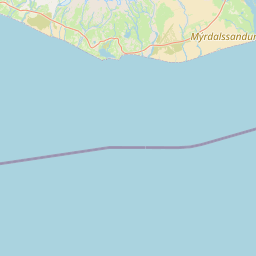
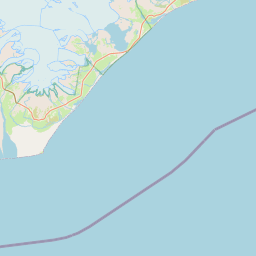 VíkSouth Coast baseReynisfjaraBlack-sand beachDyrhólaeyCoastal viewpointSkógafossWaterfall stop
When to choose a tour, a bus or another base
Choose a guided tour when you want the long connections handled and the priority is to see several South Coast highlights in one day. Choose public transport when you are comfortable with a narrower plan and can accept that a missed connection may remove a stop. If the weather is unstable, keep the exposed beach visit movable and use the rain-plan itinerary to protect the rest of the trip.
The wider route can also justify moving your base. If the journey continues towards the glacier lagoon, compare the timing with Jökulsárlón and Skaftafell before treating Vík as the automatic answer. The best base is the one that leaves enough time and transport margin for the stops that matter most to you, including the possibility that a storm changes the order.
Booking checks before you commit
- Check the road and coastal safety information before setting out for Reynisfjara, then leave room to change the order if conditions shift.
- Match the tour or public service departure to the daylight and weather window you actually need, rather than choosing by headline duration alone.
- Confirm the connection for the stop after Reynisfjara before adding another distant viewpoint or waterfall.
- Keep the transport plan and the overnight base consistent; a cheaper-looking connection can cost the margin that makes the day workable.
- Allow time for visibility changes and exposed conditions instead of treating the map distance as the whole journey.
- Check the final return or onward connection before you commit to a late stop on the South Coast.
- If the plan includes the airport route towards Keflavík, protect that transfer first and fit optional stops around it.
ICENAVI · VÍK · NO-CAR DECISION
Choose the base around the stop you can actually reach
Vík is a strong no-car base when Reynisfjara and the nearby South Coast are the main purpose of the stay, provided that your transport plan leaves room for weather and timing changes. It becomes less convincing when you need every distant stop in one fixed day or when the onward journey already leaves no margin. Decide the priority first, then book the nights and connection that support it.
Q&A · Planning Vík without a car
Can Reynisfjara be the main reason to stay in Vík?
Yes. It is the clearest reason to use Vík as a base, but the beach visit still needs a safety and weather check. Keep the timing flexible enough to change the order or leave the exposed coast for another window.
Can one day cover the whole South Coast?
A tour can connect several headline stops, but the route remains dependent on departure times, road conditions and the time available at each place. A shorter, focused plan is easier to keep workable without a car.
Is Dyrhólaey a good addition to a no-car Vík plan?
It can be, when the transport sequence, visibility and weather line up. Treat it as the next decision after the priority beach visit rather than assuming that every viewpoint will fit automatically.
References
- Icelandic Road and Coastal Administration for road and coastal travel conditions.
- SafeTravel Iceland for current safety information around exposed coastal stops.
- Strætó for public transport information and service planning.
- OpenStreetMap contributors for the map tiles and geographic context.
- Image credit: Icelandic Association for Search and Rescue and Wikimedia Commons, CC BY-SA, for the warning-sign image used on this page.