
ICENAVI LUGGAGE FIT · SELF-DRIVE
The vehicle is only half the question: count the daily carries
Scores reflect boot visibility, number of carries, wet-gear handling and route changes.
Leave the day bag in the car and carry the accommodation bag once; parking and retrieval are quicker.
The boot is easily packed to the limit; nightly carrying and the pressure of visible luggage both increase.
Gear must be dry and the meeting time fixed; stay near the meeting point the night before.
Take out documents, medication and warm layers before boarding; do not treat the whole boot as a cabin locker.
At pick-up, measure the boot before starting the navigation
When you collect the car in Keflavík, put every bag in the boot and take a photograph looking in from the rear. Do not leave visible hard cases, camera bags or passport pouches in the car; even for a ten-minute waterfall stop, take the accommodation bag with you. Whether the luggage can be fully concealed matters more than the “five-seater” wording on a rental page. If four wheeled cases have to be stacked up to the rear window, you will repeat the packing job every time you open the boot at the next stop.
| Luggage combination | What actually happens in the car | Better approach |
|---|---|---|
| Two people, two soft bags | One day bag and one accommodation bag, with room left in the boot | Put the wet-gear bag on top so you do not repack at a stop |
| Two people, four hard cases | Every item requires moving another case, and objects are easier to see through the rear window | Use one large soft bag or reduce the number of shoes and outer layers |
| Three to four people, activity gear | Crampons, helmets, swimwear and dry clothing compete for space | Pack by activity day and take out only one required set the night before |
| Camping or a long stay | Food, gas, sleeping bags and clothing are all being moved in and out | Use boxes to divide the load, then clear the boot after checking in before restocking |
With two nights in Reykjavík, you can keep the full luggage in your room and take only one city day bag on day two; switch to three daily bags once you head along the South Coast. This is where the number of nights in Iceland accommodation affects order in the car: with one night, reset the car; with two nights, one reorganisation is enough.

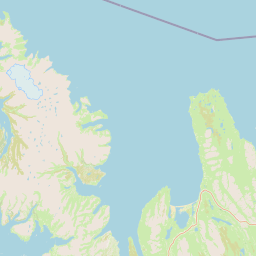
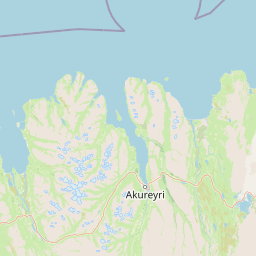
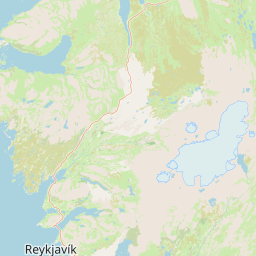
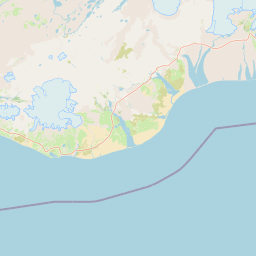
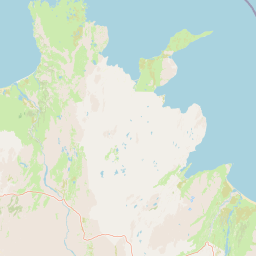 KeflavíkCollect car / photograph / split three bagsReykjavíkTwo nights means one less carryVíkWet gear / activity equipmentAkureyriTwo nights / northern detour
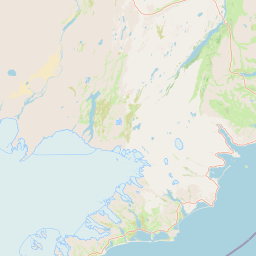
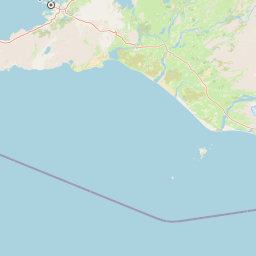

A four-minute car reset for every day
- Before reaching the accommodation: At the last safe parking space, take out documents, medication, camera, charger and the first clothing layer for tomorrow morning.
- Once in the room: Hang wet shoes, rain trousers and swimwear separately; do not push damp gear back into a sealed case, or the car will carry the moisture the next day.
- Before bed: Check tomorrow’s first stop and meeting time. Put only the required gear in the day bag, with breakfast supplies in the car-door pocket.
- Before leaving: Check under the bed, in the bathroom, at charging sockets and in the boot. Only then return the three bags to the car in order.
At Vík and along the South Coast, rainwear, shoes and swimwear are often used on the same day; keeping the wet-gear bag somewhere airy is more effective than bringing another pair of shoes. If you have an ice-cave or glacier activity the next day, see where to stay after an ice-cave tour and deal with the meeting point, recovery time and drying luggage in the same evening. Avoid a long hotel move on an activity day: gear that is not dry will have to be packed into the boot again.
Three arrangements that look convenient but add a hidden cost
| Arrangement | Hidden cost | Change it to |
|---|---|---|
| Carry the full luggage into the room every night | One extra carry at check-in, parking and setting off again | Leave the day bag in the car and take the accommodation bag once |
| Put wet clothes in sealed plastic bags | Moisture in the car the next day, with shoes and socks slow to dry | Air them first, then separate them in a dedicated waterproof bag |
| Put all food at the bottom of the boot | Breakfast and drinking water require half the boot to be unpacked | Rebuild one top layer after each restock and put tomorrow morning’s items on top |
| Look for passports only before the ferry | Unpacking in the queue makes everyone else in the car wait | Prepare a separate boarding bag the night before, with the activity documents |
If your route includes the Westman Islands or another island, first confirm whether the vehicle can board and whether the accommodation has a secure place to store luggage; there is no need to take the whole car load ashore. To compare island ferry routes and nights away, see Iceland’s island ferry routes and include luggage carries when choosing a sailing.
Use a “carry log” to decide whether to change car or accommodation
Moving luggage once a day feels very different from moving it three times by the second day. Pick-up days, ferry days and ice-cave meeting days are usually the busiest, so choose luggage to serve those days first. With a city base for three nights, two people can leave most luggage in the room; on an Iceland Ring Road trip that changes town daily, keep breakfast, dry clothes and chargers together in one easy-to-reach area. If a room costs HK$500–800 more (about NT$2,050–3,280) but saves two rounds of parking, opening the car and repacking, the difference is often paying for sleep and a punctual start.
| Luggage task | Approx. time each time | One-week total | Where to invest |
|---|---|---|---|
| Take day-use items from the boot | 3–5 minutes | Once daily: about 25–35 minutes | Keep one fixed car-door pocket to avoid unpacking |
| Carry a large case into the room | 8–12 minutes | Five accommodation changes: about 40–60 minutes | Stay one extra night or use soft bags to reduce carries |
| Dry and repack wet gear | 10 minutes | Activity day: about 20–30 minutes | Choose a room with heating, hooks or bathroom space |
| Find documents before the ferry | 5–10 minutes | Once is enough to hold up the whole car | Prepare a separate boarding bag the night before and keep it within the driver’s reach |
This carry log gives vehicle and accommodation choices a comparable basis while keeping the trip manageable. After an ice-cave outing, a long drive or a ferry, the most useful evening jobs are usually hanging wet clothes, charging devices and sleeping; one dry corner in the room helps tomorrow’s activity more directly than a scenic balcony.
ICENAVI · LUGGAGE LAST CHECK
One less luggage carry is usually worth more than one extra case in the boot.
Split luggage by the number of accommodation nights and activity gear first, then choose capacity based on the vehicle. To compare cars, see 2WD or 4WD; to set a daily driving limit, return to daily driving time in Iceland.
Q&A | Iceland self-drive luggage
Do I need hard cases for an Iceland self-drive?
Not necessarily. For two people, compressible soft bags are easier to conceal fully in the boot and to divide into day, accommodation and wet-gear bags; choose hard cases only when the actual capacity is needed for a longer stay or specialised equipment.
Can I leave luggage in the car?
Take valuables, documents and medication into the room every day. Leave only out-of-sight daily items that you will use again. When stopping at a viewpoint, do not leave a camera bag or coat on a seat.
How should I deal with wet shoes?
Put them in a separate bag that can breathe and take them out to dry when you return to the accommodation. Do not seal wet shoes and dry clothes in the same case; the car will be harder to dry the next day.
How much gear should I bring for an ice-cave or glacier activity?
Use the meeting page’s requirements first. Usually, keep the warm layer, gloves and dry clothing needed that day at the top of the accommodation bag; stay near the meeting point the night before to reduce hotel moves and the risk of arriving late.
References
SafeTravel Iceland: journey and parking safety information
Icelandic Road and Coastal Administration: road conditions
Map: © OpenStreetMap contributors.