
ICENAVI ROUTE FIT
Will moving rooms really save more time than packing takes?
This rates how well an accommodation strategy fits the route, not the hotel's star rating.
A new base pays off only when it shortens the first drive the next day.
Daily packing, drying clothes and finding the new room can consume the time available for a short stop.
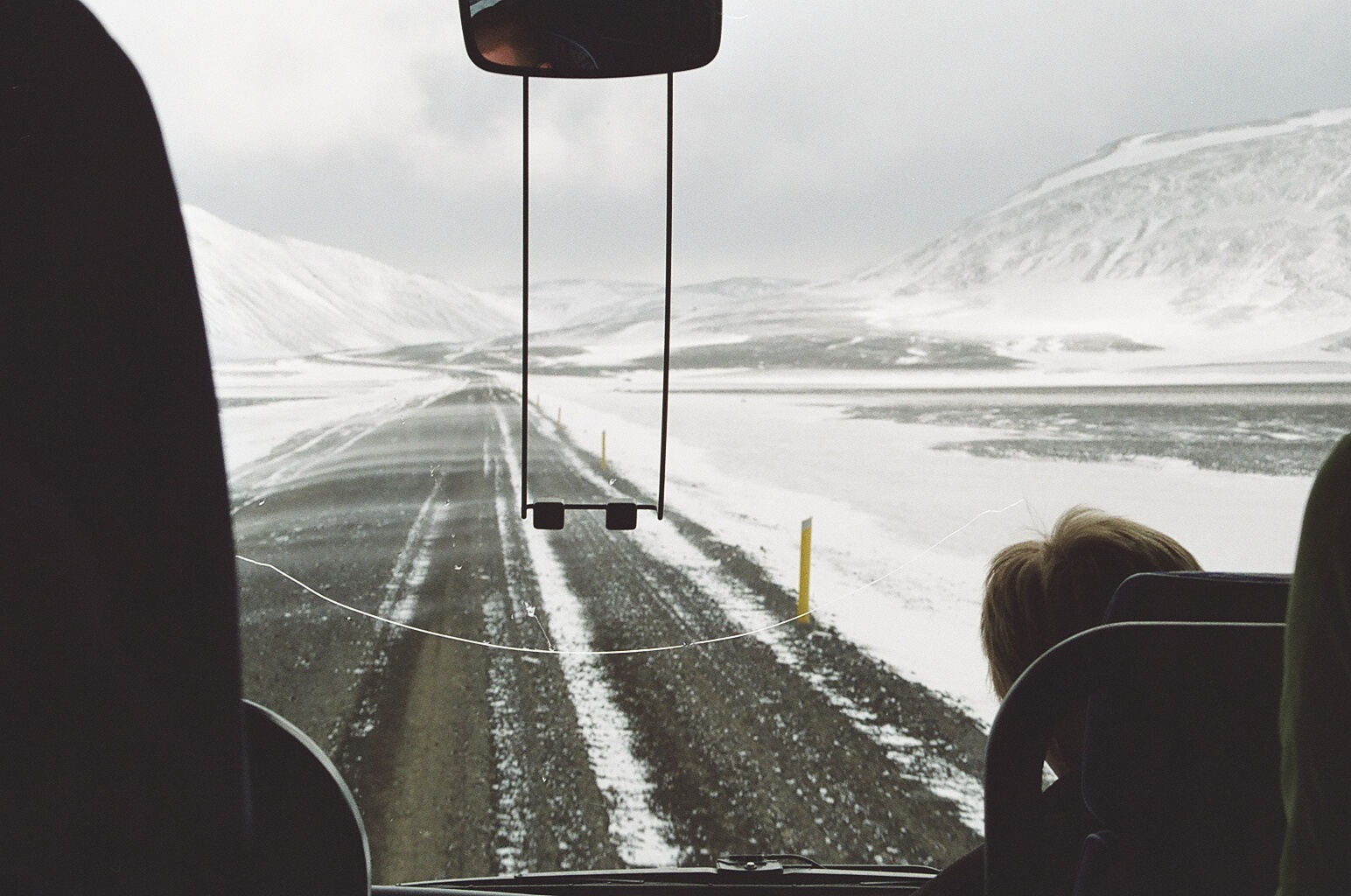
Staying put lets you wait out wind and snow; split bases need cancellation options or early check-in.
Treat moving rooms as a cost, and move only when it creates a route advantage.
Calculate one hotel move instead of looking only at the map
Checking out is rarely finished the moment you open the car door. You still need to bag damp clothes, pack charging cables, return the key card, reverse out of a tight parking space and find the entrance to the next hotel. With children or large luggage, the process takes longer. Two bases may be 45 minutes apart on the map, but that does not mean you have gained 45 minutes of free time.
I write down four times for every “move day”: the latest departure from the previous hotel, the places where we must stop, the earliest possible check-in and the first stop the next morning. If those four points conflict, I turn one night into another night at the same base. See Iceland self-drive accommodation: charging, parking and luggage checks for the base logistics before comparing room prices.
Two or three South Coast days: one base is usually cleaner
South Coast sights sit along the Ring Road, but activity meeting points may face different directions. Using Vík as one base lets you connect the black-sand beach, Dyrhólaey and the eastbound South Coast. If Jökulsárlón is on the plan, moving east on the second night towards Kirkjubæjarklaustur or the lagoon makes the reason for changing rooms clear. By contrast, if day one reaches only Seljalandsfoss and day two turns back towards the capital, staying in three places simply to be “closer to the sights” usually means carrying luggage from door to door.
When you do not know whether a glacier-cave or glacier activity will be postponed by weather, an extra night at the same base has particular value. You can move the activity to another morning instead of searching for a new room on the day a cancellation notice arrives. To compare two practical Vík bases, see Hotel Kría and Hotel Katla compared; walking within the village and getting out east are two different ways to save time.
Long ring-road trips: split the route without chasing a new address every night
A six- to ten-day ring-road trip can be divided into the south-west, south-east, east and north, but you do not need to change rooms every night. If low cloud or slow traffic affects the Eastfjords, keeping two nights in Egilsstaðir leaves half a day for Seyðisfjörður or Hengifoss; in the north, if whale watching and Lake Mývatn geothermal sites are both planned, check the Húsavík meeting point first and then decide whether to move to Mývatn. The trade-off is also covered in Akureyri or Mývatn as an accommodation base.
The Westfjords are even less suited to a tightly linked chain of hotels. Wind, ferries or slow traffic can delay the road, and if the next room cannot be cancelled, the driving saved the previous night quickly becomes pressure across the whole trip. A town where you can park, buy water and reset the route is often more dependable as a base than the nearest address to a remote headland.
Three situations when moving rooms is worth it
- A fixed activity starts early: whale watching, a ferry or a glacier-cave check-in may begin early, so moving closer the previous night can protect sleep and preserve a road buffer.
- The next day's direction is completely different: returning from the South Coast to Reykjavík and continuing east are different routes; do not drive back and forth every day just to keep the same room.
- The price difference still works after adding the costs: include extra parking, dinner driving, time and non-refundable risk; the nightly rate alone is not enough.
The hotel should complete one job for the itinerary
Self-drive accommodation is not an appendix called “where do we sleep tonight?”. It should complete a measurable job: keep the car close, dry wet clothes, spare you a drive across town before an early start, or keep supplies within reach when roads close. If a room cannot answer how you will reach the first stop, handle the keys, park and get breakfast, attractive photographs do not make it a good base.
Before paying, line up the same room type, parking, breakfast, cancellation terms, check-in time and the next dependable fuel or charging point. When you need named hotels, start with the Iceland accommodation hub and filter by region, then compare individual pages; do not treat a regional search result as a hotel you have already chosen.
Test the accommodation strategy over three nights
If you have only three nights left, do not divide them evenly by default. Use the first night for your arrival and whether you still need to collect the car, the second for the farthest fixed activity, and the third for the direction in which you will leave. If the farthest activity is on the south-east coast, moving east for the second night may pay off; if all three days are in the south-west, staying in Vík or Hella can remove one round of packing and finding a new entrance. This test quickly shows whether the move serves the itinerary or merely makes a distance on the map look tidy.
Staying in one place also preserves options. If wind closes the black-sand beach, a glacier-cave tour is rescheduled or a mountain pass becomes unsuitable, you can switch to village supplies, a hot spring or a short walk. After changing hotels, the next room and the road become new variables at the same time. In winter, that buffer matters as much as the number of sights.
A split base also has a practical boundary: the new hotel should be close to the Ring Road, easy to find after dark and have space to park and unload. If it requires another stretch of narrow road, an uphill approach or a second car park to collect the key, the final kilometre eats the saved driving time. Before booking, paste the address into the map and zoom in to the last turn; that is more useful for reducing late-arrival pressure than another look at the room score.
Once price is put back into this framework, the answer is usually clearer. A slightly more expensive room for consecutive nights may save one load of luggage, one round of unpacking and one night-time search for the entrance; a cheaper split base may add parking fees, dinner driving and non-refundable risk. No strategy is always right. The question is which night's job is worth paying to shorten.
Hotel choice should also match the driver's rhythm. With one driver, another half-hour of night driving usually costs more than it does when two people can share the wheel; if you need to arrive before sunset each day, an ordinary room near the main road may suit you better than a remote room with a view. Two drivers still do not make driving time unlimited: on a move day, attention is divided between loading, navigation and finding the entrance.
Finally, write down what you can leave undone tomorrow beside the hotel. If there is a supermarket, fuel station or cancellable dinner nearby, bad weather does not force every sight back into the day; if the hotel has only one access road, plan to arrive earlier. This is how a route moves from an ideal version to one where you can stay, drive and still continue the next day.
When booking, set a firm latest arrival time, such as needing to reach the room by seven in the evening, and activate the closer backup after that. This boundary tells you which stop to drop when a queue grows at noon, roads slow down or a car park fills. The hotel's cancellation deadline should match that boundary: on nights when activities are unsettled and roads may change, flexibility protects the trip better than chasing the lowest rate.
If every day depends on alarms, rushing and moving boxes at night just to finish, the problem is probably the base allocation rather than a car that is not fast enough. Give one night back to sleep and take the same road the next day; you may get a steadier weather decision and enough time to see the sights properly.
Circle each night's base on paper, then enlarge the hotel address until you can check the final turn. You will quickly see which night was chosen only because it looked close. This small check often improves a self-drive trip more than adding another sight.
A hotel is a route tool, and a tool should match the day's job; when it saves no measurable cost, return it to the search list instead of giving it space in the itinerary.
A room is genuinely on the way only when it lets you reach the first stop tomorrow.
That is the return from an accommodation base.
ICENAVI · Self-drive accommodation
Do not move rooms unless the move creates a route advantage.
Staying put preserves weather and activity flexibility; split bases are for genuinely long transfers. Write down the first stop tomorrow, then choose tonight's address.
Related reading
Self-drive accommodation: charging, parking and luggage checks breaks down the work a base needs to do before you compare the South and North Coast.
How to divide each night of an Iceland stay covers arrival, the South Coast and departure nights.
More to read
Six-day ring-road itinerary, South Coast destination hub and self-drive hub continue the planning.
Q&A | Staying put or changing hotels on an Iceland self-drive trip
Does changing hotels every day always save driving time?
No. First subtract packing, check-out, parking and the next check-in; moving is worthwhile only when it clearly shortens a long drive the next morning or protects a fixed meeting time.
Should I stay in one place in winter?
Usually, keep one night flexible. When wind or snow changes the road conditions, staying put avoids another move on the worst-weather evening.
Which location detail matters most for a hotel?
Check the next day's first stop, the distance from parking to the room, nearby supplies and the latest practical check-in time; straight-line distance to a sight is only a starting point.
Where should I stay without driving?
Start with the operator's transfer area, the meeting point and the bus timetable. Reykjavík covers most city plans and capital-area day tours, but the actual pick-up arrangement still decides whether the room is useful.
References
- SafeTravel Iceland (road and weather checks).
- Vegagerðin (road conditions and winter access).
- OpenStreetMap (base map for the location illustration).