
The Eastfjords’ no-car problem is that one bus only solves one leg
Long-distance buses from Akureyri or Reykjavík generally use Egilsstaðir on Route 1 as the Eastfjords connection point. Actual travel time changes with the season, stops and road conditions; for planning, allow about 4.5 to 5.5 hours from Akureyri to Egilsstaðir and about 8 to 10 hours from Reykjavík. That long leg already takes half a day. Once you arrive, a further fjord connection means you cannot treat a straight-line map distance as walking time for a visit.
Egilsstaðir to Seyðisfjörður is about 27 km across Fjarðarheiði, normally a 30- to 40-minute drive. Egilsstaðir to Reyðarfjörður is about 31 km, or roughly 35 minutes; continuing along the coast to Eskifjörður is about 45 km and 50 to 60 minutes. Egilsstaðir to Djúpivogur is about 150 km, normally 2 hours 10 minutes to 2 hours 30 minutes. These figures are planning baselines only: fog, crosswinds, wet snow and roadworks can break a connection window. Finding one bus does not prove that you have a workable day trip; write out the return, the walk to your hotel and the activity check-in time.
Choose the transport base first: what Egilsstaðir accommodation buys you
Egilsstaðir is the easiest Eastfjords stop for handling luggage without a car. The bus stop, supermarket, restaurants, car-rental desks and airport services are concentrated within a small area, so a late arrival still leaves options for supplies and a taxi. For a winter double room, start with a budget of 20,000 to 36,000 ISK per night. Breakfast, a private bathroom, the cancellation deadline and proximity to the bus stop all change the real value. For the accommodation location and pool-versus-lake-view trade-off, see the Egilsstaðir destination guide and Lake Hotel Egilsstaðir accommodation assessment.
The trade-off for staying in Egilsstaðir is travelling into the fjords each day. If you have a morning tour in Seyðisfjörður, confirm that the bus arrival leaves 45 to 60 minutes for walking, luggage storage and meeting-point margin; there may be no practical connection back after the activity. Put the supplier’s transfer address in the booking and ask in writing whether they collect from an Egilsstaðir hotel. Keep a town-based plan for a cancellation day.
Seyðisfjörður: stay for the town, but do not assume the pass is open year-round
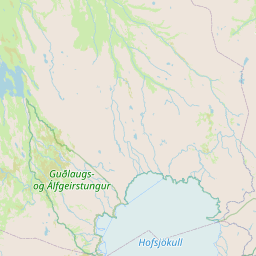
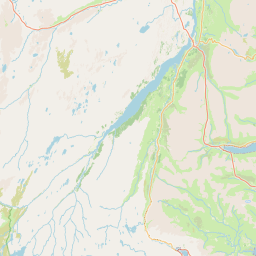
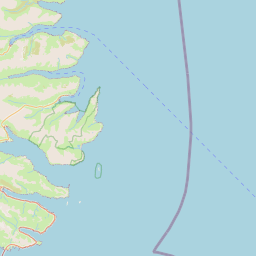
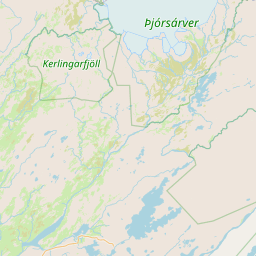 EgilsstaðirBuses · supplies · fallbackSeyðisfjörðurHarbour · town activitiesReyðarfjörðurFjord roadDjúpivogurSouthern exit · coast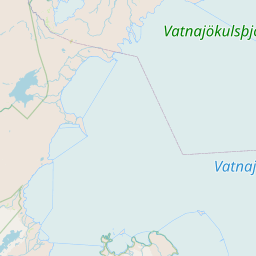
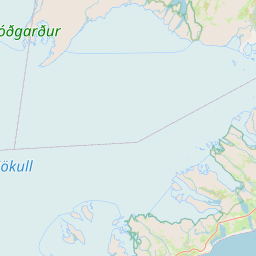
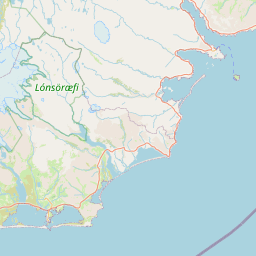
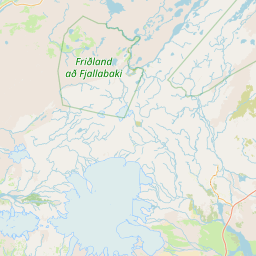
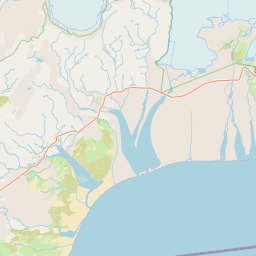

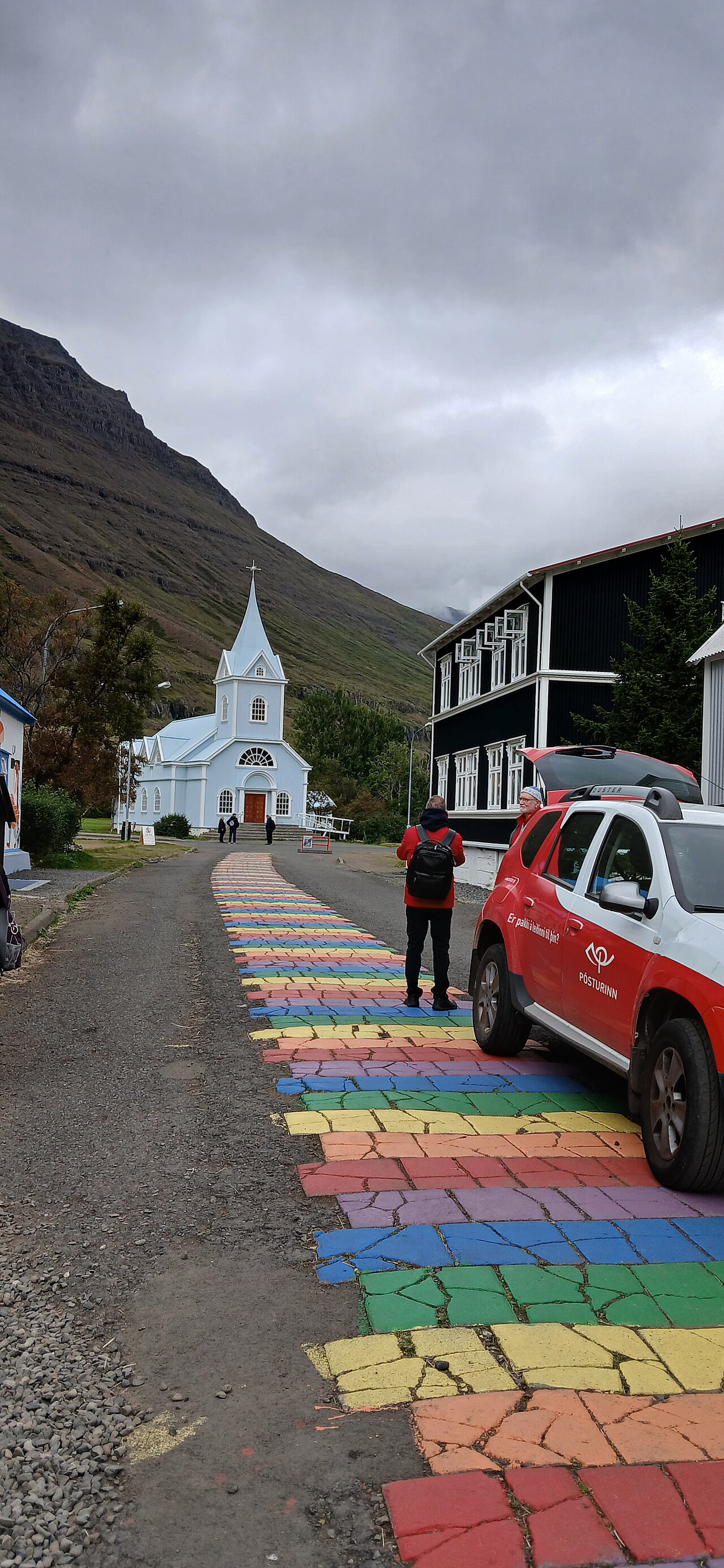
Seyðisfjörður’s colourful houses, Blue Church (Bláa kirkjan), art spaces and harbour walks are concentrated enough for a car-free afternoon. The final approach from Egilsstaðir crosses a mountain pass; winter wind, ice or poor visibility can delay the bus. If the point of the trip is one night in town, a harbour boat trip or an Eastfjords arts event, choose a cancellable room in town and budget about 22,000 to 40,000 ISK per night. Ask how late check-in works, where luggage can be left and which public-transport stop is closest.
Town accommodation buys walking distance; it does not automatically buy a southbound exit. If you need to continue towards Höfn or Djúpivogur the next day, check the first departure from town and its Egilsstaðir connection. Do not put a paid activity after the only onward connection. For a base comparison, read Eastfjords accommodation: Seyðisfjörður or Egilsstaðir, then recalculate it against your no-car conditions.
Activity transfers are the real anchor for a car-free Eastfjords trip
The activities most worth securing early in the Eastfjords are usually an offshore RIB trip, kayaking, sea fishing, a short hike or Vök Baths. When an activity says “Eastfjords”, its meeting point may be in Seyðisfjörður, Eskifjörður, Fáskrúðsfjörður or a car park outside the harbour. Without a car, ask whether Egilsstaðir pickup is available, whether a transfer fee applies, the latest check-in time and the weather-cancellation terms. If a private transfer for two is quoted at 30,000 to 55,000 ISK, compare it with an extra night and the activity package rather than viewing it alone.
Reorder around fixed sailing times after you have chosen accommodation. If you must check in at Seyðisfjörður harbour at 10:00, a night in town is the steadier choice. If the departure is in the afternoon and you are travelling south the next day, Egilsstaðir plus a confirmed pickup may be more efficient. Sea state, wind speed and the operator’s cancellation policy change daily; do not schedule a long transfer across two fjords on an activity day.
Three workable ways to arrange the stay
| Nights / traveller | Transport and activities | Accommodation trade-off |
|---|---|---|
| 2 nights, first car-free trip | Arrive in Egilsstaðir, then one Eastfjords activity with a confirmed transfer | Stay at one hotel both nights and keep the transfer flexible. |
| 3 nights, want a town stay | 1 night in Egilsstaðir + 1 night in Seyðisfjörður + activity day | Make the pass connection during the longer daylight window. |
| 4 nights, north to south | 2 nights in Egilsstaðir, 1 in Seyðisfjörður, then Djúpivogur as a southbound stop | Choose the final southbound night around the next bus or flight. |
| October to April | Drop the remote Mjóifjörður leg; use a town museum, pool and cancellable activity instead | Keep Egilsstaðir as your fallback and do not chase sparse departures. |
When are Mjóifjörður and Djúpivogur worth the connection cost?
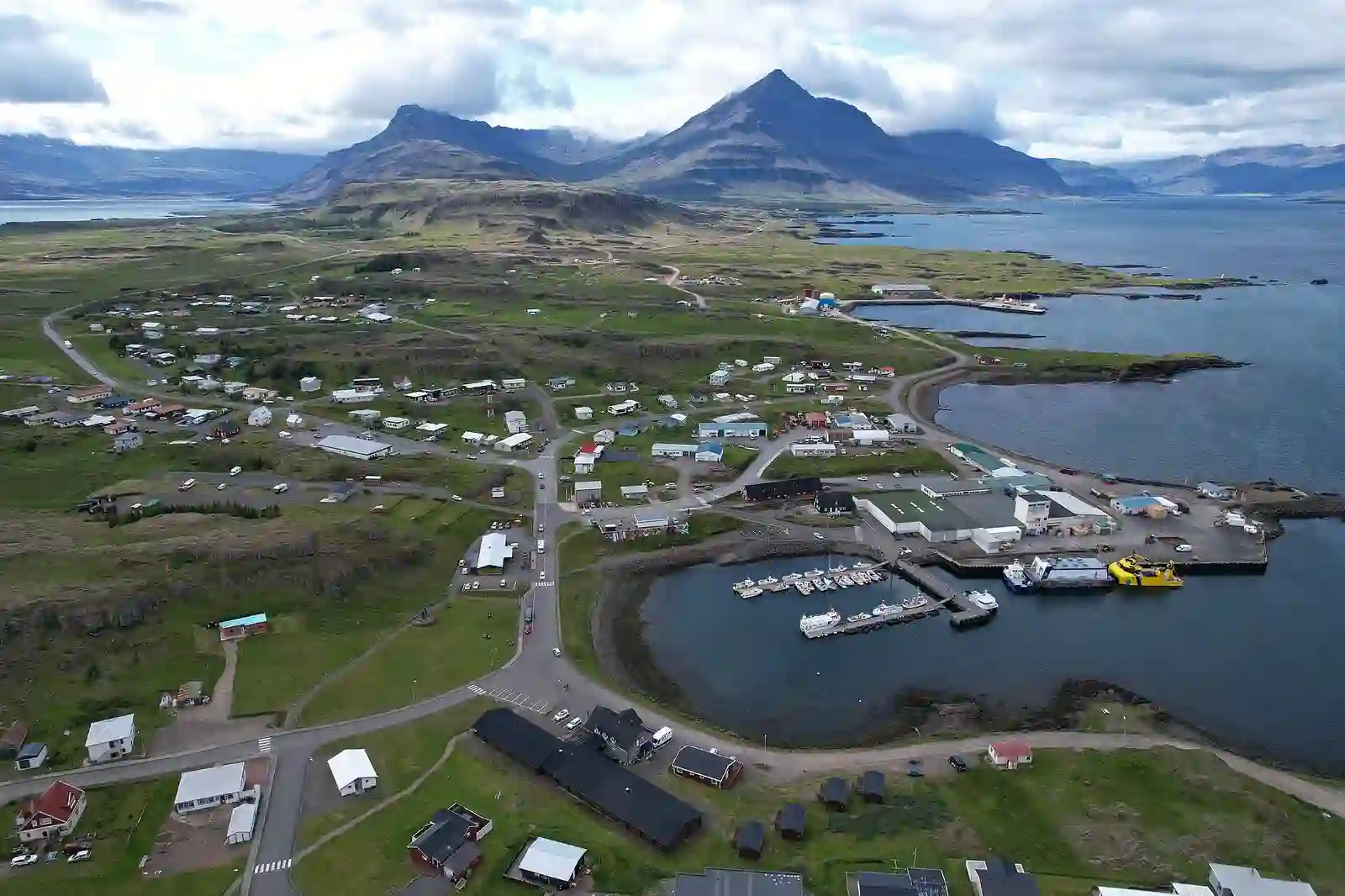
Mjóifjörður’s quiet coastline, waterfalls and hills are compelling, but village services are limited and buses and activity transfers must be checked day by day. Without a confirmed same-day return, do not treat it as a casual half-day from Egilsstaðir. Add it only if a local guided package includes transport, your accommodation can handle a late arrival and you can give it a full day. This is a leg that needs transport to work first; the scenery cannot repay the cost of missing the last bus.
Djúpivogur is at the southern end, about 150 km from Egilsstaðir. Car-free travellers can use it as a southbound Route 1 overnight stop before the glacier lagoon, Höfn or the South Coast. A return from Egilsstaðir just to see the harbour usually makes poor use of driving time and waiting. To connect glacier-lagoon activities with accommodation, see Höfn to Jökulsárlón without a car and carry the southern exit into the wider trip.
Season, daylight and roads: the same warnings still matter without driving
Daylight is long from June to August, making a short walk after a bus easier to arrange, but July and August have the tightest room and activity inventory. Late April to May and September to October are shoulder season: some ferries, tours and accommodation operate on limited days each week, so check operating dates before paying. From November to March, Egilsstaðir is close to sunset around 16:00, and wind or snow on the passes can turn a 30-minute leg into an unpredictable window. Keep at least half a day of recovery time.
Check Road.is / Umferdin for roads and passes each day, and SafeTravel for travel alerts. Then confirm with the bus company and activity operator that departures are running. If a bus is cancelled, ask the hotel first about extending the stay and the activity operator about moving the booking; only then price a taxi or private transfer. The safety baseline for a car-free plan is accepting one fewer fjord so you keep the next night and flight.
Confirm the transfer before comparing Eastfjords activities
Compare products for the same date, party size, meeting address, pickup area and cancellation deadline. Platform inventory, prices, operating days and weather arrangements change; use the supplier’s page as the final reference before payment.
The checklist to complete before paying
Write every leg in four columns: boarding stop, arrival stop, walking minutes and the next fixed time. Add the number of bags, hotel check-in deadline, bus-cancellation notification channel and estimated taxi cost. Ask the activity operator in writing whether pickup reaches the hotel entrance. Ask the accommodation about the nearest bus stop, breakfast start time, a place to hang wet clothes, luggage storage and the extension price. This shows whether the saving on a rental car is being consumed by private transfers, extra nights and waiting time.
With only two nights, keep every paid activity within the same transport radius and make the second night cancellable. With three or four nights, add Seyðisfjörður or southbound Djúpivogur for one clear purpose each. Every move should buy an activity meeting point, a better next-day direction or a meaningful walking advantage; otherwise stay in Egilsstaðir and let its services absorb the weather changes.
ICENAVI · EASTFJORDS NO-CAR CHECK
In the Eastfjords, buy connection margin first.
Egilsstaðir handles arrival, supplies and your fallback; Seyðisfjörður handles town walks and harbour activities; Djúpivogur handles the southern exit. Start with the Eastfjords guide, then set the nights around confirmed activity transfers and accommodation terms.
More reading
Q&A | Eastfjords without a car
Can I make a day trip from Egilsstaðir to Seyðisfjörður without a car?
Yes, but check the pass bus in both directions against the activity check-in time. If the return margin is thin, stay in town.
Do I need a day tour for the Eastfjords?
For scattered fjords or Mjóifjörður, a tour with transport is usually clearer than assembling separate buses. Confirm the meeting point and cancellation terms before buying.
Where should I stay in winter?
Egilsstaðir is the easiest base for supplies, rerouting and an extra night. Move into Seyðisfjörður only when the activity is confirmed to run and the harbour walks justify the exposure.
Can Djúpivogur be a day trip from Egilsstaðir?
It is about 150 km away, before waiting time and the return leg. It is more sensible as a southbound overnight stop linking to Höfn or the glacier lagoon.
References
- Strætó: public bus routes and timetable portal.
- Umferdin: road, mountain-pass and roadwork information.
- SafeTravel Iceland: same-day travel safety alerts.
- Icelandic Meteorological Office: wind, fog and snowfall forecasts.
- OpenStreetMap contributors: base map and attribution for the map in this article.