
ICENAVI · VOLCANIC DECISION
A volcano outing can mean a controlled lava-tunnel visit, a historic crater walk or access to a changing area around Reykjanes. Those plans do not share the same rules. Check the official status, gas and weather information before leaving, then keep a route that still works if the trail closes or visibility drops.
Make the decision on the day, with a fallback already chosen
A booking, yesterday’s forecast or a dramatic photograph does not authorise entry. Before leaving, check the Icelandic Meteorological Office, SafeTravel Iceland and Visit Reykjanes, then read the relevant closure notice and the operator’s refund or change terms. If access, gas, wind or visibility no longer fit, postpone, change the route or use the indoor alternative you selected earlier. Lava fields, ridges and exposed viewpoints can change faster than an itinerary can be rewritten.
ICENAVI VOLCANO DECISION · STATUS FIRST
Can this volcano plan survive a changed day?
These editorial scores describe the planning fit of a volcanic activity, not a live safety clearance. Official alerts, current access information and on-site instructions always take priority over a score.
IMO, SafeTravel and Visit Reykjanes provide the official signals to check: access, hazards, weather and current safety information.
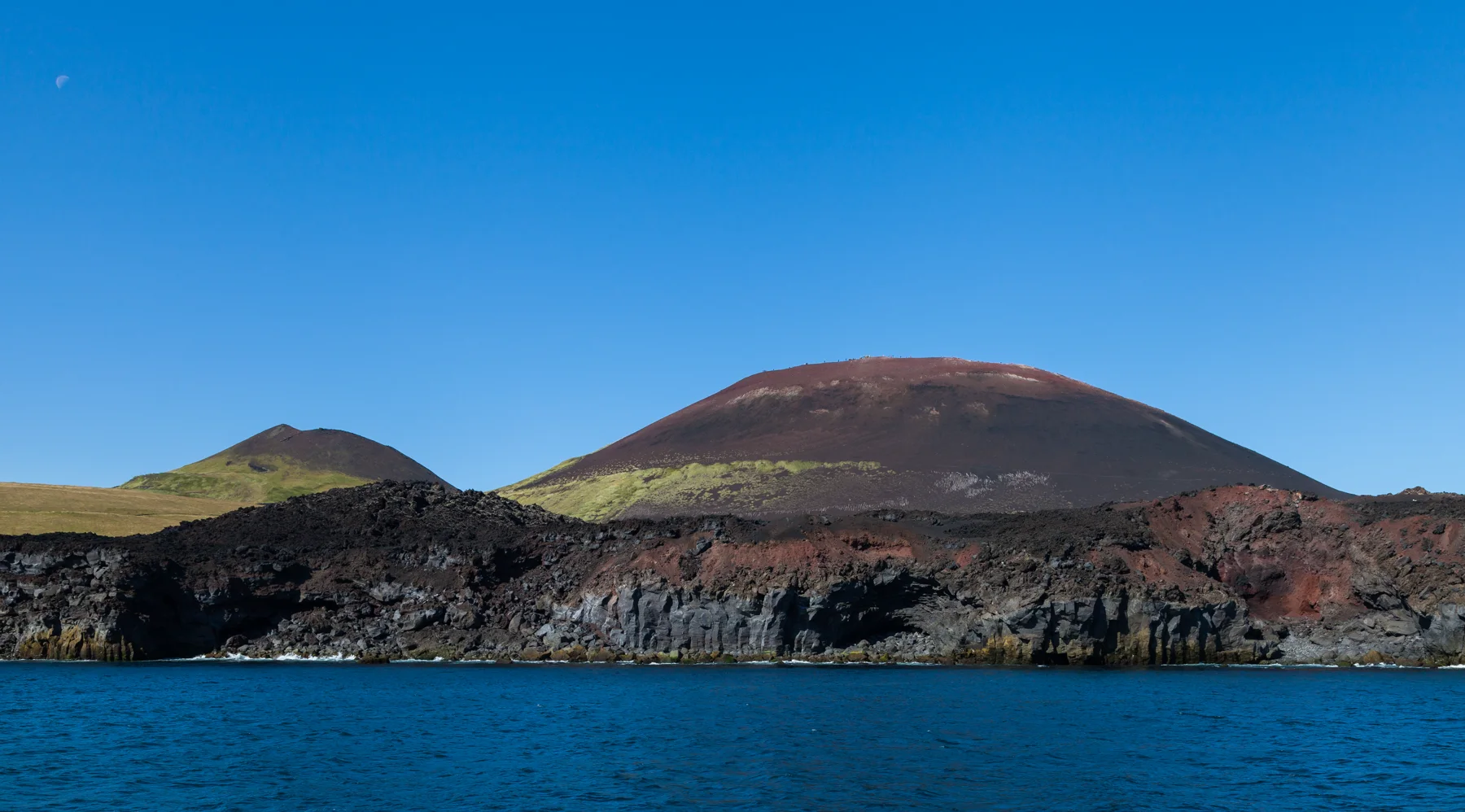
Eldfell and other volcanic landscapes offer strong visual interest, but the experience depends on access, weather and the route’s exposure.
A closed trail may still leave room for a nearby viewpoint, a town stop or another planned experience, provided the substitute is checked separately.
KEF, Grindavík and the Westman Islands involve different transfers, roads or ferries; allow for disruption and check the final access point.
The official sources explain hazards and restrictions clearly enough to support a cautious decision, while conditions remain time-sensitive.
The activity is compelling when the access, forecast and official status align, but the score cannot replace a same-day safety check.
When the volcanic area is closed, keep the same travel purpose
If geothermal landforms are what you want, choose an open geothermal area with workable transport. If the point is to understand volcanic history, a museum or visitor centre is a better match than chasing a closed road. Before booking anything, check the meeting point, pickup, latest cancellation time and the source of the safety notice. Keep the fallback on the same side of the peninsula, and do not book two activities that both depend on the same volcanic access; one closure would cancel the whole day. Write the second choice into the itinerary so you can switch as soon as a warning changes the plan.
If you are driving, find a safe and legal place to stop before reading the notice. Do not pull onto the shoulder or check a closure map while moving; protecting everyone in the car matters more than keeping a paid tour slot.
When people arrive in separate cars or on staggered transfers, choose a recognisable meeting point outside the restricted area and agree where each person will return if phones stop working. Trailheads and mobile coverage are not reliable meeting tools. Leave the affected road first, then contact the operator about a change or refund. This does not make volcanic conditions predictable, but it keeps a safety decision from being slowed by sunk costs or a scattered group.
A volcano day needs a go/no-go point
Volcanic terrain is shaped by weather, access and official instructions. A route may connect a dramatic viewpoint with a lava tunnel or another activity, yet the plan can stop making sense if a road, trail or ferry changes. Eldfell on Heimaey, the Raufarhólshellir lava tunnel and Reykjanes viewpoints are different experiences with different constraints. Keep the outline of the day, but make the activity conditional and leave room for a safe substitute.
| Activity and condition | What to verify first | What may change | Practical response |
|---|---|---|---|
| Heimaey and Eldfell access | Ferry, local access, wind and the current activity notice | Weather, visibility, trail conditions and transport timing | Keep an indoor or town-based option ready |
| Volcanic landscapes and lava fields | Eldfell, Landmannalaugar and any current route restriction | Exposure, road access, gas guidance and walking conditions | Follow the marked route and local instructions |
| Raufarhólshellir lava tunnel | Tour availability, clothing, access and the booking terms | Departure times, road conditions and comfort underground | Confirm the operator’s change or refund policy |
| Viewpoints and open-air stops | The current closure notice, wind and visibility | Safe parking, walking surfaces and the quality of the view | Choose a lower-exposure stop when conditions require it |
Use each official source for the question it can answer
The Icelandic Meteorological Office provides the volcanic and earthquake information used to understand activity and alerts. SafeTravel Iceland adds practical travel-safety guidance. Visit Reykjanes focuses on local safety, access, hiking and parking. Read the relevant page shortly before departure, because a cached plan is not a current clearance.
| Source | Best for | How it affects the plan |
|---|---|---|
| IMO volcano updates | Volcanic activity, hazards and aviation colour code | Use it to understand the current situation before choosing an exposed activity. |
| SafeTravel Iceland | Travel safety, eruptions and earthquakes | Use it alongside local access information when deciding whether to continue. |
| Visit Reykjanes · local safety information | Closures, local guidance, hiking and parking | Use it to check whether the exact trail, viewpoint or car park is available. |
KEF, Grindavík and the activity can pull the day in different directions
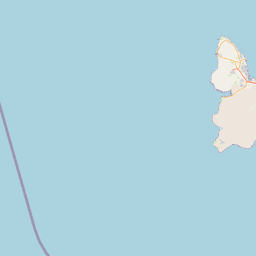
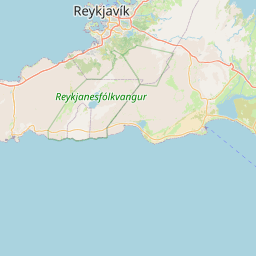
Many plans begin at Keflavík International Airport and cross the Reykjanes area before reaching an activity. KEF, Grindavík and a final viewpoint are not interchangeable stops. A closure, road restriction, wind shift or delayed transfer can make a tightly timed sequence unsuitable. Check the last access point, build in margin, and do not continue simply because the activity was paid for.
Keep the volcanic theme when the original activity closes
A good itinerary leaves a decision point between transport and the activity. Put the official checks close to departure, keep the booking terms available and avoid stacking a time-sensitive tour immediately after a flight or ferry. When the route no longer fits, move to a safer alternative rather than trying to force the original sequence.
For a warmer or more weather-proof substitute, compare the lava tunnel experience for claustrophobia or cold with the Blue Lagoon or Sky Lagoon. If the route starts near KEF or Reykjanes, keep the Westman Islands destination guide separate from the volcanic decision, since ferry and island conditions add another variable.
ICENAVI · VOLCANO GO/NO-GO
Stop when the evidence no longer supports the plan
Use the current official notices, local access information and your actual transport margin to decide. If the route, weather, gas guidance or closure status is unclear, stop and choose an option that does not depend on the uncertain section. A calm change of plan protects the rest of the day without pretending that conditions are stable.
Seven checks before leaving
- Confirm the activity, route, start time and the day’s weather before leaving your accommodation.
- Read the IMO, SafeTravel and Visit Reykjanes updates that apply to your area.
- Check the exact trail, road, ferry, parking area and any current closure notice.
- Allow margin for arrival, transfers and a change of route; do not build the day around a perfect connection.
- Read the booking terms and keep the operator’s change or refund instructions accessible.
- Choose a fallback that fits the weather, transport and people in your group.
- If the information is unclear or conditions deteriorate, follow local instructions and leave the exposed area.
A volcanic activity can remain a strong part of an Iceland trip when the decision is made with current information and enough flexibility. The useful question is not whether the original plan must survive; it is whether today’s conditions support this exact activity, route and timing.
Related activity
Compare the fallback before you commit
Lava tunnel for claustrophobia or cold explains a more sheltered volcanic option, while the Blue Lagoon and Sky Lagoon comparison helps when you want a weather-proof stop.
Plan the region
Build the route around the question you actually need answered
Keflavík and Reykjanes · Westman Islands · Iceland planning guide
Q&A · common volcanic activity decisions
Should I keep a volcano activity if the alert is unchanged?
An unchanged alert is only one part of the decision. Check the exact access notice, weather, gas guidance, transport and operator information for the activity you booked. If those conditions still fit, continue cautiously; if one of them does not, use your fallback.
What should I do when the activity is closed after I arrive?
Do not cross a barrier or substitute a nearby viewpoint without checking its own status. Ask the operator about a change or refund, read the local safety notice and choose an alternative that is open and suitable for the same weather and transport constraints.
How close to departure should I check the conditions?
Check the latest official information shortly before departure and again if the route, weather or transport changes. Keep your phone charged, follow local instructions and treat a sudden deterioration as a reason to leave, not a reason to wait for a better view.
References
Information checked against the listed official and attribution sources for the September 2026 editorial update. The sources below support the activity, hazard, access, hiking, parking and map-context claims in this guide.
- Icelandic Meteorological Office · volcanoes and aviation colour code for volcanic information and the aviation colour code.
- Icelandic Meteorological Office · situation on the Reykjanes Peninsula for the August 2026 Svartsengi update.
- SafeTravel Iceland · eruptions and earthquakes in the Reykjanes peninsula for travel-safety guidance.
- Visit Reykjanes · safety information for local access and safety guidance.
- Visit Reykjanes · hiking and parking for local route and parking guidance.
- OpenStreetMap contributors for the map data.
- Image: Diego Delso · Wikimedia Commons, CC BY-SA 4.0, 2014 photograph of Eldfell on Heimaey.
