
ICENAVI · SOUTH COAST DECISION CHECK
Compare who carries the work when weather worsens
This comparison brings together weather fallback options, meeting times, luggage and parking, driver load, stop flexibility, activity and accommodation direction, and cost. They are not ratings of activity operators and do not guarantee same-day road conditions or cancellations. Confirm your meeting point and accommodation terms before departure.
A tour concentrates responsibility for roads, parking and the return journey; self-drive keeps the power to cut stops, change accommodation and rearrange activities in your hands. The better option is the one that matches your fallback plan.
With a tour, the operator adjusts to the day’s conditions. With self-drive, you must check roads, visibility, parking and your stopping point instead of following the original list of sights blindly.
Check-in times for ice caves, glaciers or whale watching narrow the route. Staying in Vík or near the meeting point can be more valuable than adding another sight.
Self-drive means dealing with wet clothing, cameras, parking spaces and the driver’s energy on the return journey. A tour removes the driving, but meeting points and waiting in the vehicle become their own costs.
Self-drive lets you wait for better light, drop Reynisfjara or finish early in Hella. A tour fixes the stops in exchange for taking parking and road decisions off your hands.
A tour price and a rental-car price are not comparable on their own. Include fuel, parking, insurance, the return journey, accommodation in Vík and the flexibility to cancel activities.
The easiest time to compare badly is after the room and car are already booked. On the map, Reykjavík to Vík looks like one road heading east. On the ground, a waterfall car park may lead to a slippery walk, signs at the black beach may tell you to leave the surf line, and someone in the car may start feeling travel sick. A tour hands direction, commentary and parking responsibility to the driver. Self-drive leaves the decision about whether to stop right now with you. Neither option is inherently better; the mistake is quietly treating the advantages of one as a guarantee offered by the other.
If you have not chosen accommodation, read Should you stay in Hella, Hvolsvöllur or Vík on the South Coast? first. If you already know that an ice-cave or glacier activity starts early the next morning, the activity meeting point will influence the decision before the question of which sight is most beautiful. This page focuses only on transport responsibility: a day tour, a rental car, or a combination of both.
Draw the one-day South Coast as five jobs you will actually have to do
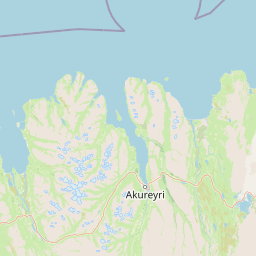
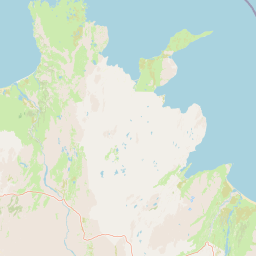
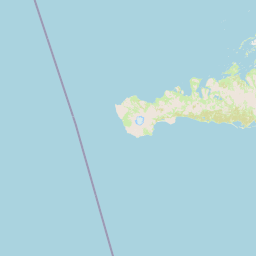
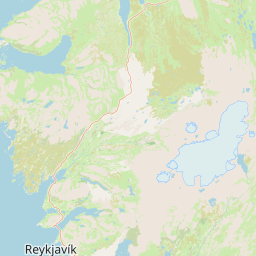
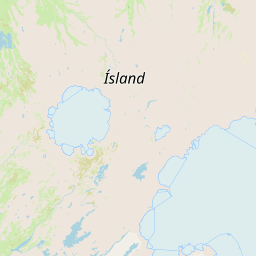
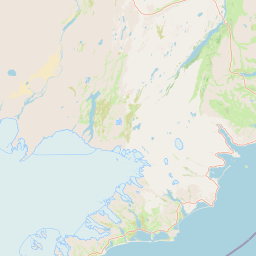
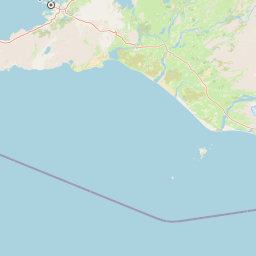
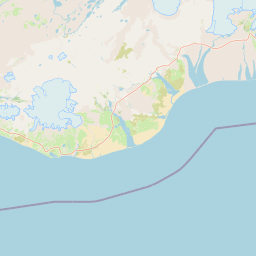
The western South Coast has a high concentration of sights, which makes a day tour look compelling. But being on the same road does not mean that every stop takes the same amount of work. Walking from the parking area to a waterfall, changing into rain gear, waiting for companions, staying clear of the surf line and getting back to the vehicle are what consume the day. Self-drivers have to reserve those minutes deliberately; tour passengers accept that the meeting time will decide when the visit ends.
| Job during the day | What a tour usually handles | What self-drive requires from you | The cost most often missed |
|---|---|---|---|
| Departure and meeting point | A fixed city pick-up or meeting point, with the driver managing the vehicle group | Collecting the car, navigation, breakfast, fuel and checking the first road section | Staying far from the meeting point means an early walk or transfer before the day has begun |
| Parking and getting out | Using the designated parking areas and drop-off points on the operator’s route | Finding the entrance, reading signs, securing belongings and choosing how long to stay | Treating “visible from the road” as “safe to park anywhere and walk right up” |
| Weather deteriorates | The driver or guide adjusts the route to the day’s conditions and safety requirements | Checking official road and weather information and on-site signs, then cutting the next stop | Prepaid accommodation, activities and the rental car making you reluctant to stop |
| Return journey and accommodation | Usually returning to Reykjavík, with a more fixed finish time | Choosing accommodation in Hella, Vík or farther east, then accepting late arrival or a changed route | Pushing fatigue into the final dark stretch to fit in one more sight |
A tour does not mean seeing less; it means handing over one decision
The greatest advantage of a tour is not simply having a guide on the bus. It is that you do not have to decide in an unfamiliar car park which path is usable or which warning matters more than the photograph you came for. Official tourism information describes South Coast day tours as full-day journeys from Reykjavík linking waterfalls with Reynisfjara black sand beach. That is a direct fit for travellers with one day, no car or no wish to deal with winter roads. The trade-off is equally direct: if a rainbow suddenly appears at Skógafoss, you cannot simply delete the next stop in full.
A tour suits several situations: a first visit to Iceland, companions who are not confident with long-distance driving, short winter daylight, a single day while you are still staying in Reykjavík, or anyone who wants to save the driver’s energy for an ice-cave tour later. If you are not interested in commentary, want to wait for your preferred light, or plan to stay in Vík after the day, the fixed return to Reykjavík can become a constraint rather than a benefit.
| Your situation | My judgement | Why |
|---|---|---|
| Two people visiting Iceland in winter for the first time, with an early flight the next day | A tour is the cleaner choice | You avoid stacking the return journey, parking and night-driving responsibility onto the same evening |
| Three or four people wanting to stay one night in Vík and join an activity | Self-drive or hybrid | The transport cost can be shared, and accommodation and activities are not tied to a Reykjavík return |
| Someone in the group dislikes long drives, but everyone can accept one fewer sight | Self-drive, with honest stop-cutting | You can finish early in Hella or Selfoss instead of forcing the full list |
| You want to photograph seabirds at Dyrhólaey between May and August | Check the weather first, then consider self-drive | Official information places puffin sightings roughly from late April to mid-August; light and wind matter more than the number of fixed stops |
The value of self-drive lies in being able not to go
Self-drive is not a contest to fit the maximum number of sights into one day. Its value is the ability to stop only until your coat is soaked at Seljalandsfoss and then move on to Skógafoss; or, after seeing the warnings at Reynisfjara, drive straight to Vík for food instead of telling the surf line, “We came all this way.” If you need that kind of real-time reduction, self-drive gives freedom a practical return.
Freedom also comes with a bill that cannot be discounted. Icelandic roads and weather can change quickly, and the official road authority asks travellers to check live road information before setting out. SafeTravel also highlights single-lane bridges, gravel roads, visibility and winter conditions. In other words, “change plans at any time” does not mean following your mood. Each change requires another check of roads, fuel, accommodation and activities. For guidance on rebuilding the day after a warning appears, continue to reading South Coast conditions on the ground and replanning after a road closure.
| What you see in the morning | Tour version | Self-drive version | What you preserve today |
|---|---|---|---|
| Roads and visibility are normal | Follow the operator’s stops while accounting for walking and meeting times | Choose no more than two main stops in advance, then keep one weather alternative | The landscape, as well as your energy for the return |
| Wind or surf conditions mean Reynisfjara must be shortened | Follow the guide and do not treat getting out for a photograph as guaranteed | Stay outside the safe area and switch to Vík or an inland waterfall | People matter more than the list, and the next day remains possible |
| The afternoon road forecast worsens | Accept one fewer stop or an earlier return to Reykjavík | Call first about cancellable accommodation or activities, then decide whether to stop in Hella or Vík | You reduce losses that cannot be recovered |
Five checks show whether a tour or self-drive carries less work
Use each category as a practical check. A high tour result does not mean you must buy a tour, and a high self-drive result does not make road conditions irrelevant. The exercise exposes the work you will actually carry: with 7 points or more, compare self-drive first; with 4–6, build a hybrid plan; with 3 or fewer, a tour usually leaves fewer regrets.
| Dimension | 2 points: strong self-drive return | 1 point: check again | 0 points: a tour removes more work |
|---|---|---|---|
| Stop flexibility | You have specific light you want to wait for or stops you already expect to cut | You only know that you want extra time at one stop, not which stop you would remove | The sight list is fixed, and being late would make the group uncomfortable |
| Driving responsibility | One driver is in reliable condition and willing to check official road information | You can share the driving, but someone still has to return after a long day | No one wants the final decision in wind, snow, darkness or an unfamiliar junction |
| Accommodation direction | Hella or Vík is booked, with a clear reason connected to the next day’s activity or eastward travel | You are still returning to Reykjavík but want to reach far-eastern sights | The room cannot be changed and the return time is fixed |
| Weather fallback | You have written the stop-cutting order, parking plan and early-finish point in advance | You know you will check the forecast but have not decided who can call it off | You need an operator to carry the road and safety decision |
| Group stamina | Everyone accepts fewer stops and more breaks, and you have accounted for luggage and toilets | Someone dislikes long drives, but no one wants to miss the main sights | You need to save energy for the rest of the trip rather than push fatigue into the evening |
ICENAVI · SOUTH COAST ROUTE CHECK
Are you paying for a fixed direction, or for the ability to cut a stop?
A tour is steadier because someone else carries the road, parking and return-journey responsibility. Self-drive earns its keep when you can put a beautiful sight back on the list after the wind worsens. If neither option fits on its own, use a hybrid plan: spend several nights in Reykjavík, take a tour along the western South Coast, then continue by rental car or spend one night in Vík before a fixed activity. The expensive mistake is paying for a car and still rushing every stop to match a day-tour timetable.
Ask these ten questions before paying or setting out
- Are you staying tonight in Reykjavík, Hella or Vík? If you stop in the afternoon, where can you finish safely?
- Is the fixed activity’s meeting address actually in the direction of your accommodation, rather than simply labelled “South Coast”?
- Can everyone handle a slippery walk, a windy drop-off point and waiting in the vehicle?
- Is the early walk from your hotel to the tour meeting point longer than you imagine?
- Can the vehicle’s boot keep cameras, medication and luggage covered so that valuables do not need to remain visible after parking?
- If signs at Reynisfjara tell you to retreat, have you already written an alternative stop instead of arguing about it on the spot?
- If the day tour cancels or changes its stops, can you still recover the cost of your accommodation and activity?
- If self-drive brings snow, poor visibility or fatigue, who has the authority to stop?
- Are you comparing the tour price with the rental price alone, or have you included parking, fuel, meals, insurance and one night of accommodation?
- What matters most today: one sight, one activity, or ensuring that everyone still has enough energy to eat dinner?
The South Coast is not a checklist that must be completed. You can explore it by rental car, tour or in stages from different bases; that flexibility should serve your time and stamina rather than force every name onto one day. To connect this decision to the next step, read how to compare stop times on a South Coast day tour, the five-day South Coast itinerary and whether to stay in Vík for one or two nights. If you decide to drive, open official road information and offline-navigation roles again on the day you leave.
Related reading
Set transport responsibility first
South Coast day tours: comparing stop timesHella, Hvolsvöllur or Vík?Activity meeting points and accommodation directionMore reading
Then set the route and the night
How to replan after a road closureFive-day South Coast itineraryOne or two nights in Vík?References
References
The following sources were checked on 5 September 2026. Roads, weather, coastal warnings, activities, schedules, meeting points, parking and accommodation terms can change, so check the official pages again on the day of departure.
- Visit South Iceland | The South Coast: major South Coast sights, year-round routes, self-drive and tour options.
- Visit South Iceland | Getting to South Iceland: approaches from Reykjavík, roads, buses and ways to explore the South Coast from different bases.
- Visit Reykjavík | Day Tour Reykjavík: official tourism background for waterfalls, Reynisfjara black sand beach and day tours departing from Reykjavík.
- Vegagerðin | Driving safely in Iceland: reminders about gravel roads, visibility, winter driving and live road information.
- Vegagerðin | Traffic service: road and weather information, the 1777 traffic service and notification updates.
- SafeTravel Iceland | Driving: Iceland driving, road conditions, fatigue and safety preparation.
- Visit South Iceland | Where and When Can I See Puffins in South Iceland: puffins appearing roughly from late April to mid-August and viewing conditions around Dyrhólaey and Vík; seasonal information that should be rechecked before departure.
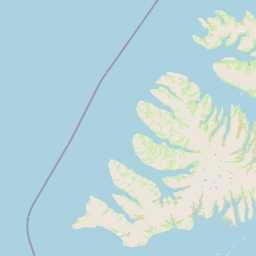
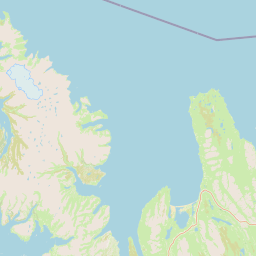
- OpenStreetMap contributors: base map and attribution for the five South Coast reference points in this article; used to compare geographic scale only, not for navigation or road guarantees.
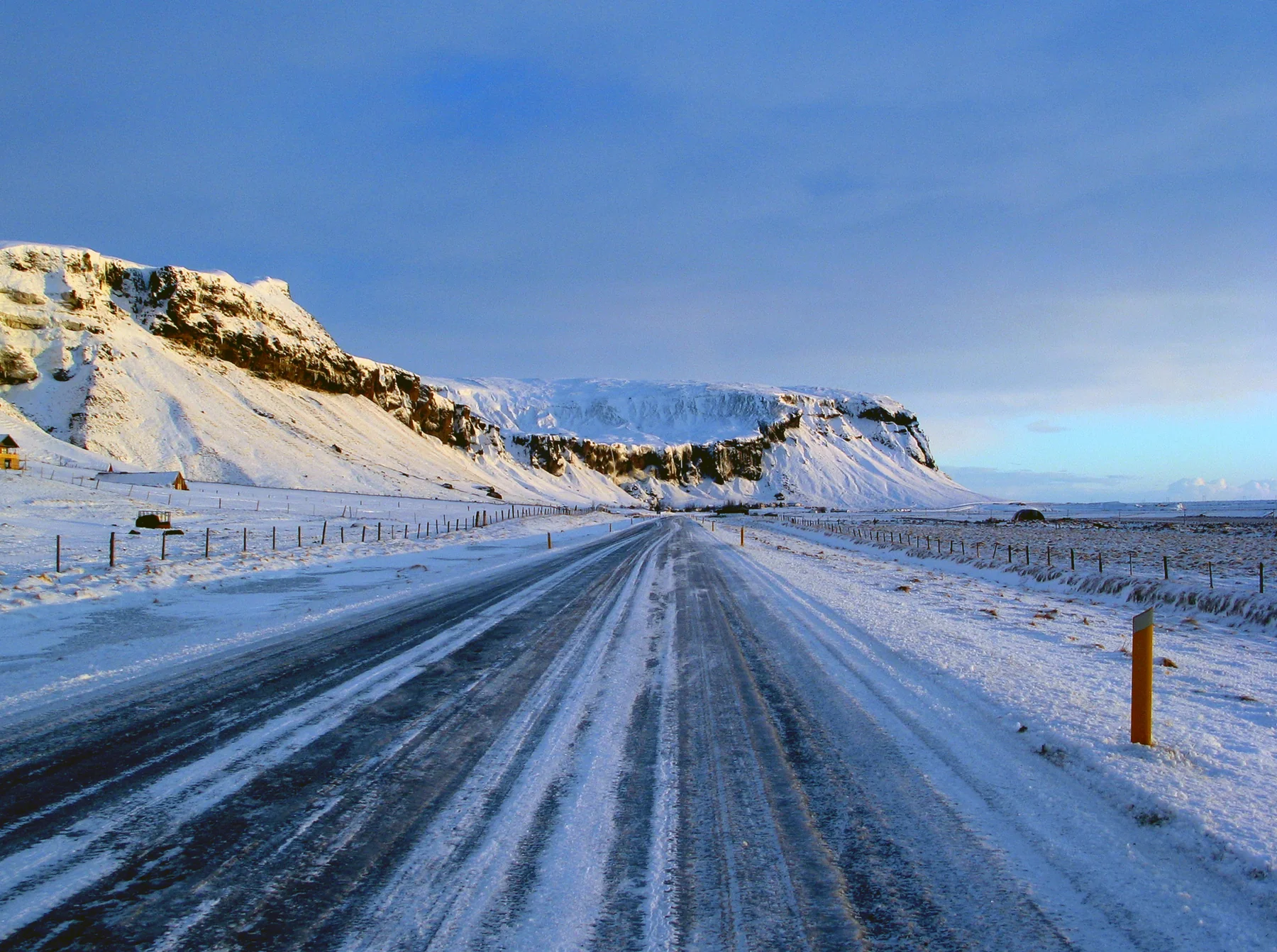
- Hero image: Ab5602/Wikimedia Commons: Iceland route 1 between Vík and Höfn, Public domain; this site only resized and converted the image to WebP. The photograph does not represent same-day weather, road conditions or traffic.

This page is an L1 South Coast transport-responsibility entry point. It contains no unverified operator CTA. Align the tour, self-drive, hybrid, weather fallback and accommodation direction before moving to a checked activity or accommodation booking page.
Q&A | South Coast transport questions
Should you always take a tour on the South Coast in winter?
If you have one day from Reykjavík, no luggage transfer between bases and no wish to carry driver responsibility, a tour makes it easier to retain a fallback. If you want to stay in Vík, connect with an ice-cave activity or cut stops according to the weather, self-drive or a hybrid plan has more value.
What is easiest to miss when you calculate the “freedom” of self-drive?
Parking, fuel, fatigue, route changes and activity meeting points all need to be included. Freedom without a recovery day becomes harder to use when a road closes.