
L3 · GEOTHERMAL FIT · NORTH ICELAND
How should you plan a Mývatn geothermal day?
Krafla and Námaskarð in one route
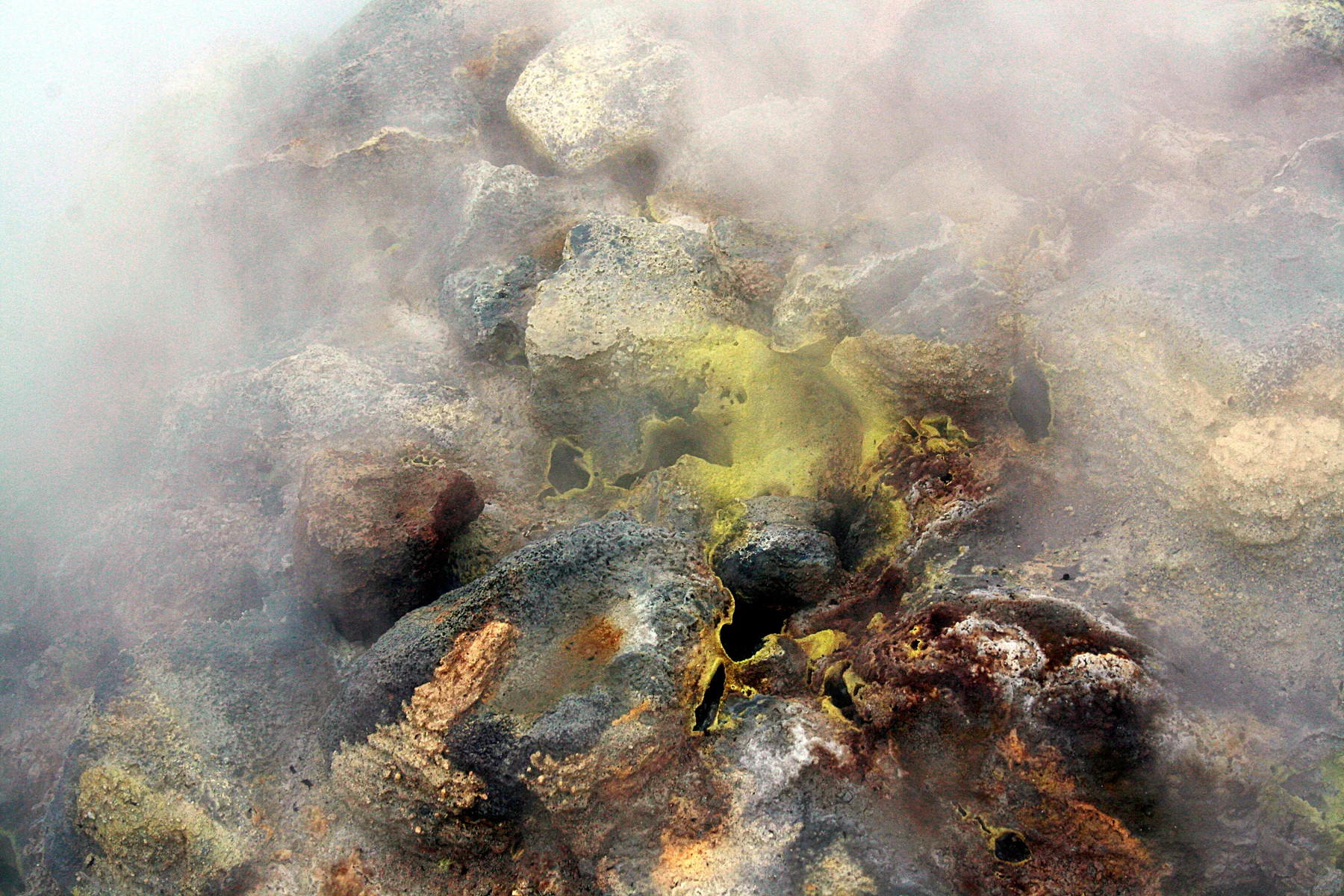
I would put Krafla Víti and the Námaskarð geothermal area (Námaskarð/Hverir) into the same half-day on Mývatn’s north-east side, then return to the south shore in the afternoon. The two stops are only about ten minutes apart by car, but their landscapes feel entirely different. In wind or snow, keep the geothermal area as the easier parking stop and decide later whether the crater trail is sensible. If you want a soak, allow more than a full hour; do not treat the baths as a five-minute gap between sights.
ICENAVI · NORTH GEOTHERMAL FIT
Four practical checks before adding geothermal stops
These scores compare route fit and time risk; unsupported factors are left unrated.
Steam and mud are visible after parking off Route 1, and a 30- to 60-minute visit still gives you a complete section of the site.
The crater trail is more exposed, and wind or snow makes walking the rim and taking photographs a poor trade; put it first only in settled weather.
The two geothermal sites lie in the same direction north-east of Mývatn, making them a useful early section before Húsavík or Dettifoss.
The Mývatn Nature Baths work well as the final stop, but changing, showering and returning to your room still take time.
Krafla or Námaskarð: which comes first?
From Reykjahlíð, follow Route 1 east and then turn towards Krafla; visiting the crater first is usually the cleaner sequence. Krafla Víti is a blue-green lake set inside a dark volcanic crater, with open views and direct exposure to the wind. There is still an uphill walk and a circuit after parking. Námaskarð sits close to Route 1, with steaming ground, bubbling mud and strong colours and smells; start with 20 minutes and extend the stop if conditions suit.
I would not set the order by whichever place looks more beautiful. I would work back from the weather. In clear morning light, the crater rim is easier to read; when the wind rises after midday, Námaskarð makes the more dependable final stop. If you arrive from the Eastfjords heading west, reverse the direction without forcing the issue: stay in Mývatn, check the roads the next morning, then choose whether to loop north or east. Do not squeeze both places into ten-minute photo stops simply to collect two names.
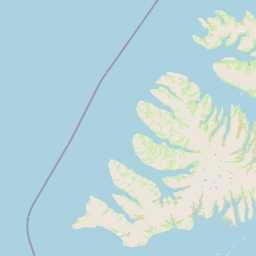
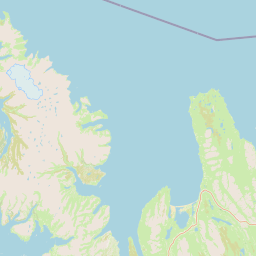
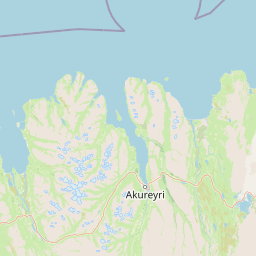
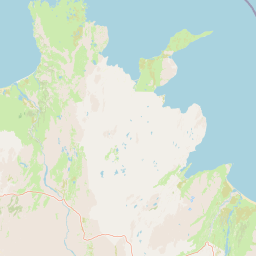
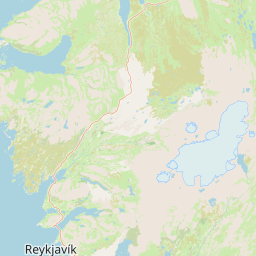
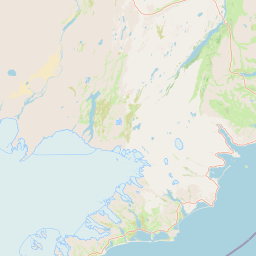
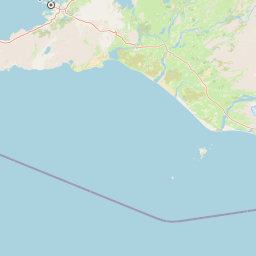
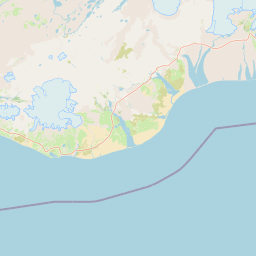
 MývatnBase for accommodation and suppliesKrafla VítiVisit in clear weatherNámaskarð/HverirShort geothermal stopHúsavíkNext stop north
Two free sights, with the cost measured in walking
Námaskarð suits a short stop, but do not read “close to the road” as “no effort required”. After parking, follow the marked area; the sulphur smell can become suddenly stronger when the wind shifts. Wet mud will reach shoes and trouser hems, so white shoes are a poor experiment. Thirty minutes is enough for photographs; allow 45 minutes to an hour if you want to see more vents. This is a useful stop when the weather worsens because shortening it does not waste half a day of tickets.
Krafla pays you back with terrain and views, so it needs more time on foot. Snow can hide the trail edge in winter, while fog and crosswinds can make the crater’s beauty an unjustifiable risk. In those conditions, check the road and the site from the parking area and switch to Námaskarð, the pseudocraters on Mývatn’s south shore or the dark lava labyrinth at Dimmuborgir. During the spring thaw, wet ground adds another variable; the drive between sights may be short, but walking after parking is what changes the schedule.
| Stop | Best place in the day | Actual cost | Weather fallback |
|---|---|---|---|
| Krafla Víti crater | A clear morning, about 60–90 minutes | Uphill walking, exposed wind, finding the trail in snow | Námaskarð or Mývatn’s south shore |
| Námaskarð geothermal area | Any time visibility is reasonable, about 30–60 minutes | Sulphur smell, mud, walking after parking | Supplies in Reykjahlíð or return directly to your accommodation |
| Mývatn Nature Baths | After the geothermal sights, at least 90 minutes | Entry price, changing, wet clothes and a fixed entry slot | Akureyri city pool or a rest at the hotel |
Count the route with your next night, whether it is half a day or a full day
If you are staying two nights in Mývatn, I would use the first full day: leave Reykjahlíð at 08:30, reach Krafla at about 09:00, walk to the crater and keep time to check the roads; go to Námaskarð at 10:45 and finish the geothermal area from 11:15–12:00; then return to Reykjahlíð for supplies. In the afternoon, choose Skútustaðagígar and Dimmuborgir on the south shore, and put the Mývatn Nature Baths after 16:00 so there is time to deal with sulphur smell and mud. This plan keeps an hour for wind or snow; Dettifoss does not need to be added.
If you are heading to Húsavík the next day, put the geothermal stops into the morning you leave Mývatn and take Route 85 north. Húsavík harbour, the whale museum and whale-watching trips each have their own fixed times, so deciding the afternoon activity later is safer. If you want to combine this with horse riding and whale watching in Húsavík, do not delay the geothermal route until midday; the drive and parking before a meeting will consume your buffer.
If you are heading towards the Eastfjords, you can do the geothermal stops on the afternoon you reach Mývatn, provided there is still daylight and you have not booked a fixed bath slot. Before continuing east, read the one-day transfer between Egilsstaðir and Mývatn and place the night where your bags are already settled. Moving rooms after the geothermal sights turns a short stop into a packing day.
Beyond entry tickets, budget for the car and warming up
Krafla Víti and Námaskarð are outdoor sights and usually do not require an activity ticket. Parking charges, winter opening and on-site facilities still need to be checked again for your departure date. Adult entry to the Mývatn Nature Baths is commonly around ISK 6,000–8,000 (about HK$340–460/NT$2,700–3,600); family tickets, towels and drinks change the total. For two people driving, fuel from Akureyri to Mývatn and onwards north may affect the budget more than admission, especially when snow slows the car.
Free does not mean that a stop fits any spare gap. Write “out of the car to back in the car” into the plan: 90 minutes at Krafla, 45 minutes at Námaskarð, 90–120 minutes at the baths, plus supplies in Reykjahlíð and time to find parking. A half-day can quickly become seven hours. If you also want Dettifoss, assess it as a separate route; West-side Route 862 and East-side Route 864 have different winter conditions, and a line on the map does not mean a direct drive is available.
How wind, thaw and summer change the plan
In winter, Mývatn’s geothermal area is where you are most likely to arrive and decide that your legs would rather stay in the car. Daylight is short and low-reflecting snow can hide the edge of the Krafla trail; your camera may fog when you step out of the warm car. Put on a windproof outer layer and shoes with grip before deciding how far to walk. Námaskarð looks flat, but mud and ice can be slippery too, so stay on the boardwalk or within the cleared area.
After the snowmelt in May and June, roadside water and mist can change visibility quickly. July and August provide the long daylight needed to stretch Krafla, the geothermal area, Mývatn’s south shore and Húsavík into a day, but that does not mean every stop needs a long visit. From September to April, a hot soak can follow an evening of northern-lights watching, but light pollution, cloud cover and the distance from the baths to your accommodation all belong in the same calculation. For a comparison of Mývatn back-up plans for rain and snow, put indoor supplies and a short walk on the same sheet.
ICENAVI · NORTH THERMAL ROUTE
My rule for the order is simple
Clear weather: Krafla Víti → Námaskarð → Mývatn’s south shore → baths. Ordinary weather: Námaskarð → supplies in Reykjahlíð → choose one short walk. Unstable roads or wind: stay at the accommodation base and move the geothermal stops to the next morning. You are removing exposure, not turning the whole day into sightseeing through a car window.
Does the route fit your dates?
Check Mývatn baths and North Iceland experiences by date
Compare meeting times, entry slots, cancellation terms and your Mývatn accommodation before adding a paid activity to the geothermal route.
Related reading
Set the order of your Mývatn day first
How to plan one day in Mývatn
Hverfjall or Dimmuborgir: which should you choose?
Mývatn sights and how long to stay
More to read
Then connect accommodation and the northern transfer
Mývatn or Húsavík as a base
A four-day North Iceland self-drive
Planning a Forest Lagoon arrival day
Q&A | Planning a Mývatn geothermal day
Can Krafla Víti and Námaskarð be done on the same day?
Yes. They are in the same direction; allow about three comfortable hours in clear weather, plus time for supplies in Reykjahlíð or the baths. In wind or snow, keep Námaskarð and leave Krafla out.
Do I need an entry ticket for the geothermal areas?
Outdoor geothermal landscapes usually do not have the kind of admission ticket used by the baths. Check parking, facilities, roads and the boundaries open to visitors again before departure.
Can I visit Krafla in winter?
Check road conditions, wind speed, visibility and snow in the parking area first. When the surface is not clearly visible, do not use a photograph of a dry trail to decide that it is walkable today.
Should I visit the Mývatn Nature Baths before or after the geothermal sights?
After is usually smoother: deal with mud, sulphur smell and outdoor layers first, then return to your accommodation or dinner after the soak. If the baths have a fixed entry time, work backwards from the ticket for the earlier stops.
Can I add Dettifoss on the same day?
You can, but it becomes a substantial detour. Check Route 862 or Route 864 first, then decide around daylight and the location of your next night; Dettifoss is not a small stop beside the geothermal area.
References
- Icelandic road information: road conditions and status.
- SafeTravel Iceland: driving and outdoor safety information.
- Icelandic Meteorological Office: wind, snowfall and visibility.
- Mývatn Nature Baths: entry times and ticket types.
- OpenStreetMap contributors: the base map used for the location figure.