
ACTIVITY DECISION · REYKJANES & HIGHLANDS EDGE
Inside Þríhnúkagígur Volcano Tour: Is It Worth It?
Quick answer: This is a half-day activity that asks you to walk roughly six kilometres across lava terrain. Reserve around ISK 51,000 per adult (about HK$2,900 / NT$11,000) only if you want to see a vast underground chamber and your itinerary can support a May-to-October tour date; if you only want volcanic scenery, a surface lava tunnel or volcano hike brings less booking pressure.
Quick answer: Þríhnúkagígur (Thrihnukagigur) is not a pull-over photo stop. From the meeting point, you walk about 3 km for 45 to 50 minutes, put on the supplied gear, descend roughly 120 metres in an open cable lift, and spend time inside the chamber; driving yourself takes about four hours for the activity, while a Reykjavík transfer takes around five to six hours.
ICENAVI VOLCANO FIT
Give half a day to an underground chamber
Scored only on factors that change whether you book.
The transfer version takes five to six hours, and self-drivers still have the hike and meeting time.
It operates on fixed dates from May 5 to October 30 each year.
An open cable lift descends into a dormant volcano chamber; surface activities cannot replace it.
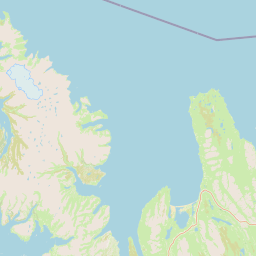
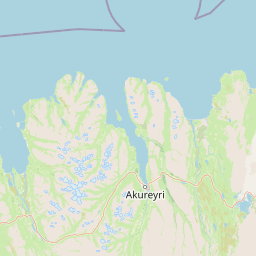
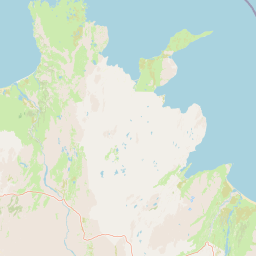
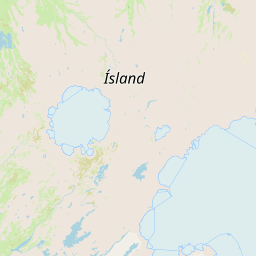
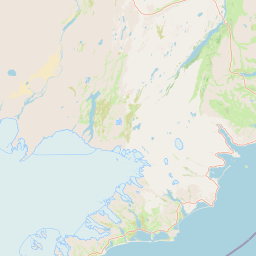
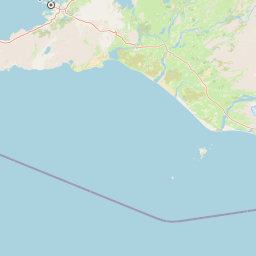
 ReykjavíkTransfer / accommodationBláfjöllMeeting point and walkÞríhnúkagígurVolcanic chamber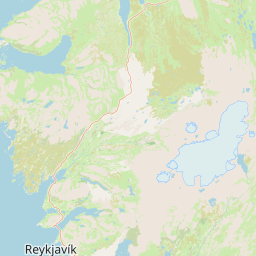
You are paying for underground space, not just a famous volcano
Þríhnúkagígur is a dormant volcano, and the activity takes participants into one of its magma chambers. At the meeting point, the group first walks about 3 km across lava terrain, taking 45 to 50 minutes each way; this is not smooth city pavement, so waterproof footwear, soles that hold your ankles securely and a shell that can handle wind and rain matter more than a smart jacket. At the crater, an open cable lift descends roughly 120 metres. The vertical drop and rock walls below are the central decision for anyone uneasy with heights.
Inside, the temperature is about 5 to 6°C, and the change from warm summer air outdoors can feel abrupt. The operator provides a hard hat, rain trousers and warm equipment, but bring your own base layers, gloves and dry socks. The chamber stay usually lasts about 35 to 40 minutes, with a guide explaining how the volcano formed; it is not a high-mileage sightseeing segment, so people who like studying rock textures will get more from it than travellers trying to maximise their attraction count.
Leave time for the walk and briefing, not just the descent
| Arrangement | Actual time | Where it fits | Trade-off |
|---|---|---|---|
| Drive yourself to the meeting point | About 4 hours for the activity | A Reykjavík accommodation day, paired before or after with the peninsula or a lagoon | You handle the road, fuel and on-time arrival yourself |
| Reykjavík transfer | About 5–6 hours | For avoiding the drive to the lava highlands and returning to the city for dinner | Transfer costs extra and the timetable is fixed |
| Blue Lagoon after the activity | Add at least 2–3 hours | Only when the activity ends early and the ticket slot has a clear buffer | A long walk followed by bathing; delays can affect entry |
| Golden Circle after the activity | Not recommended on the same day | Only works when split into a separate day with an early start | The direction and stop times leave no room for spontaneous additions |
Self-drivers often read “25 minutes east of Reykjavík” as the full duration, but that covers only the drive from the city towards the meeting area. You still need to arrive early, attend the safety briefing, walk to the crater and walk back. If you place the activity on departure day, luggage cannot go onto the lava route, and a rental car still needs time for fuel and return; there is no real buffer in that arrangement.
May to October: where does it fit most easily?
The activity operates roughly from May 5 to October 30 each year, so winter has no “decide after checking today’s weather” flexibility. May and October have shorter daylight, and a transfer returning to Reykjavík may run close to dinner; June to August offer long daylight and suit an activity placed on a city rest day during a ring-road trip. Before booking, check that you genuinely have a full half-day. An attractive price cannot fix a timetable that is already overloaded.
Wind and rain change how the lava walk feels. This is not an indoor lift ride: the three kilometres before the entrance are the real test of fitness and clothing. Tours may still depart in rain, but once the waterproof layer fails, wet shoes and socks can spoil the next dinner and driving plan; if the Blue Lagoon follows, put dry clothes in the car instead of assuming the supplied equipment will deal with every trace of moisture.
Price and alternatives: decide what kind of “volcano” you want
An adult ticket is about ISK 51,000, and children aged 8 to 12 pay about ISK 25,000; using rough conversions of HK$1 to ISK 17.5 and NT$1 to ISK 4.6, that is about HK$2,900 / NT$11,000, while the amount charged will move with the exchange rate. A city-centre bus-station transfer costs about ISK 4,500, with some hotel or bus-station pick-ups adding around ISK 1,899; for two adults including transfers, the activity comes close to ISK 110,000.
That price buys the vertical descent and chamber access that you cannot get on the surface. If you mainly want to see lava up close, compare Iceland's lava tunnel: the route is shorter and still goes underground, but it does not include the 120-metre cable lift. If your budget is already committed to a glacier activity, read South Coast glacier activity choices first and put this “unique experience” back into the total cost of the trip.
For the volcanic story without a six-kilometre walk, Reykjavík Volcano Express is an indoor city alternative; you give up the genuine underground chamber for flexibility that is less exposed to weather and season. It is a different experience, which makes the choice useful: are you paying for geological content, or for an activity your body will remember?
Who is most likely to regret booking halfway through?
Travellers changing hotels every day and running from morning to night most often underestimate the return fatigue. Six kilometres out and back is not a mountain race, but afterwards you still have the drive, dinner and the next day's packing. If heights concern you, watch the descent video or read the activity information first; the lift is open, not an enclosed elevator. If height is the real hesitation, “I will decide there” is not a workable plan.
Children under eight cannot take part; age wording can differ between sales pages, so families should follow the age rules and available dates shown on the booking page. Pregnant travellers, anyone with a recent ankle injury, or anyone unable to walk continuously over lava terrain should choose an alternative first rather than judging the difficulty by the time spent inside the chamber. The activity needs moderate fitness, not just the nerve to sit in a lift.
Which day should hold this activity?
The cleanest fit is usually a full day between two nights in Reykjavík. Set out in the morning, return to the city in the afternoon and keep dinner simple; heading towards the South Coast the following day avoids stacking the lava walk, a long drive and waterfall stops together. Joining immediately after an airport arrival means a delayed flight or bag can collide with the meeting time. There is no reason to make one ticket carry that risk.
A self-drive route can pair the activity with a short stop at Krýsuvík or elsewhere on the Reykjanes Peninsula, but check the booking time first. Driving on to Vík after the activity turns half a day into a long evening behind the wheel; staying in or near Reykjavík for one night may add accommodation cost, but it gives the return journey a clearer boundary. For a three- to four-day trip, I would separate this from another paid glacier experience and keep at least one completely free weather backup.
While the group crosses the lava terrain, carry your phone, camera and water bottle in a backpack that can be secured. Provided equipment does not mean luggage can come along; leave large bags at the hotel or in the car, and keep valuables out of sight inside the vehicle. Follow the guide's instructions about photography at the crater. The important view will not improve because you brought one more lens, while dry shoes and socks will make the return much easier.
Before meeting the group, take care of the toilet, water and a windproof hat; there are no city conveniences along the route. These small preparations directly affect how much attention you can give the chamber and how uncomfortable the return feels.
Decided to give the volcano your half-day?
Check the date, then lock in the meeting transport
The operating window is short. Confirm the date, pick-up point, walking requirement and each traveller's age before comparing the available experiences.
Related reading
Choosing between underground activities
Lava tunnel: cold and confined-space trade-offs · Lava Show or lava tunnel?
Q&A | Inside the Þríhnúkagígur volcano tour
How far do you have to walk?
About 6 km out and back after meeting the group, taking 45 to 50 minutes each way; the lava terrain is not smooth city pavement.
Can you go in winter?
Regular tours operate roughly from May 5 to October 30, with no regular winter departures.
Is self-driving or a transfer better?
Self-driving makes the activity about four hours but you must arrive on time yourself; the transfer takes about five to six hours and suits people who do not want to drive to the meeting point.
Will it be very cold underground?
The chamber is about 5 to 6°C, so a warm base layer, gloves and dry socks are the practical choice.
References
- Inside the Volcano | The Tour (tour duration, walking, descent depth and season).
- Inside the Volcano | Book now (ticket price, transfer fee and operating dates).
- OpenStreetMap contributors (the base map used for the location map).