
ICENAVI BASE FIT · SOUTHWEST
One Golden Circle, Three Different Costs
Scores are based on route efficiency, evening logistics, weather fallbacks, and the direction of your next leg. We don’t count pools or renovations as route advantages.
Best for dining, supermarkets, tour meeting points, and rainy-day alternatives. The cost is the daily drive out of the city.
Ideal for the middle of the Golden Circle and heading south the next day. Fewer evening options, so you need to plan dinner and check-in times carefully.
Most efficient for catching the geysers at dawn or heading to Gullfoss. Not suitable if you want to combine city activities on the same evening.
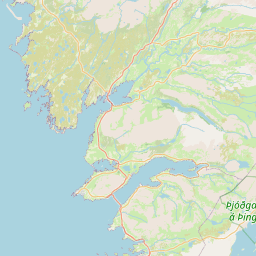
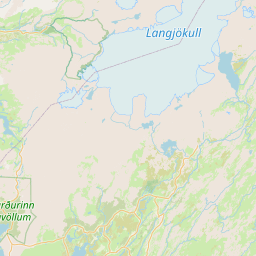
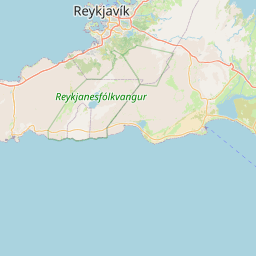
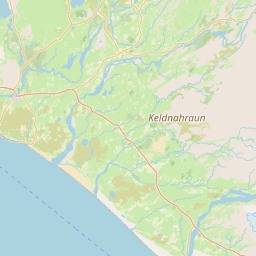 ReykjavíkCity base / Tour meetingÞingvellirWestern end of Golden CircleLaugarvatnHot springs / Mid-route stayGeysirGeysers / Eastern exit
Hotel addresses are close; the first morning is not
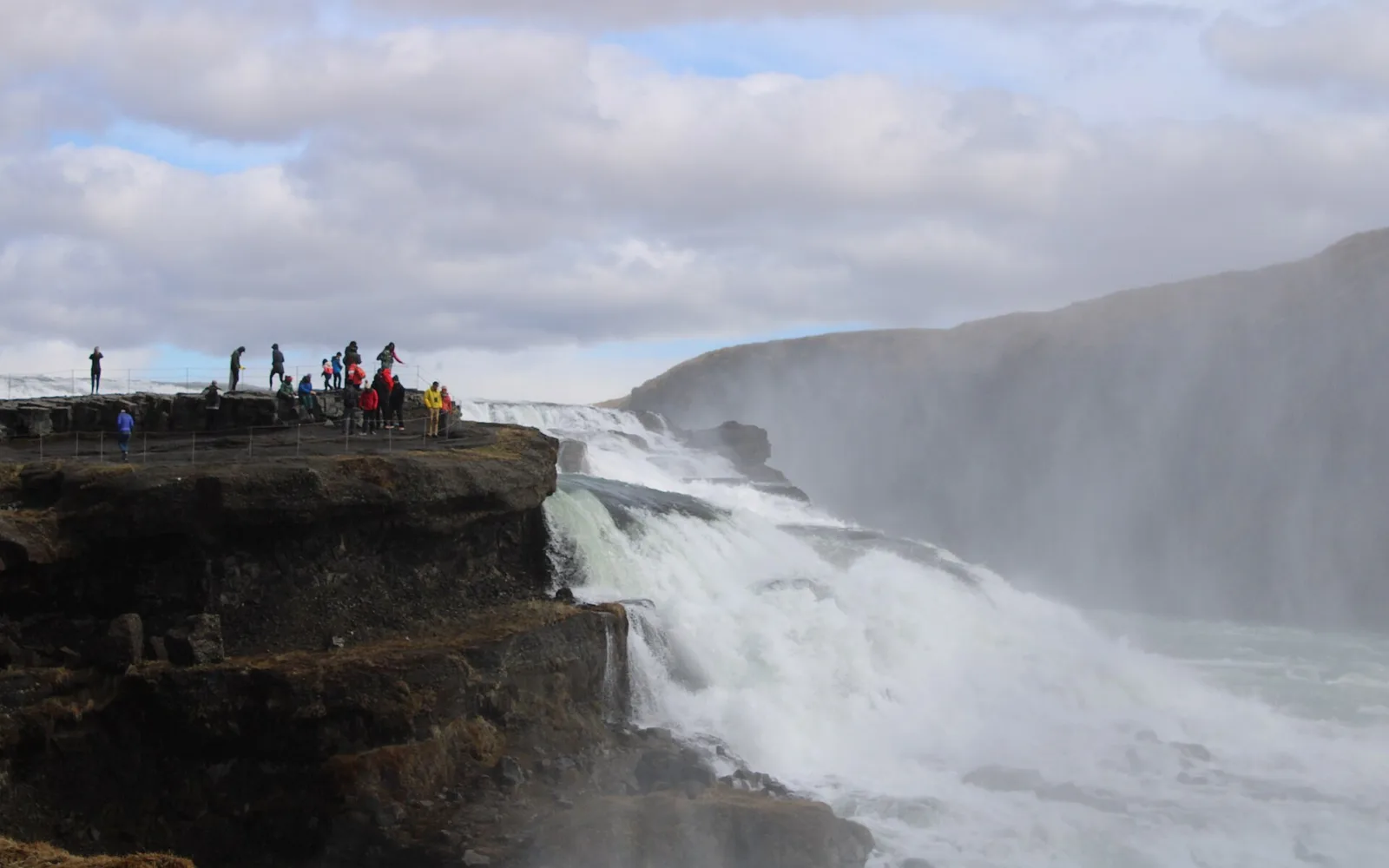
Staying in central Reykjavík usually means you can walk to restaurants, supermarkets, and tour pickup points. This convenience is especially useful on arrival day: if your flight is delayed, you can still buy simple food, and if you’re picking up a rental car the next day, you don’t have to spend the evening hunting for a gas station. The trade-off is that the first leg of the Golden Circle is a drive east from the city. If you’re planning a full day covering Þingvellir, Geysir, and Gullfoss, budget at least two hours for the return trip. In winter, darkness and wind will stretch that buffer even further.
The benefit of Laugarvatn isn’t just that it’s “closer.” It’s that you can split the Golden Circle into two days: arrive from the city on the first afternoon, visit Þingvellir the next morning, then push east to Geysir and Gullfoss, ending the day in Selfoss or on the South Coast. This is worth the move if you’re only staying one night. But if you still need to return to Reykjavík the next day, the hassle of moving luggage, finding dinner, and settling into a new room will likely eat up the time you saved on the drive.
Staying near Geysir feels more like a route stop than a destination. It suits drivers who want to be at the sights before or after opening hours, or those heading south the next morning. Shops and restaurants are scarce at night, and without a car, it’s not a viable substitute for the city. If you’re joining a day tour, don’t move to the eastern end just to be near the sights; pickups are usually still in the Reykjavík area. Staying in the suburbs might actually require you to confirm if they offer door-to-door pickup.
Three bases, three different savings
| Base | Best for tomorrow morning | Time & Money Trade-off | What you lose |
|---|---|---|---|
| Reykjavík | City, Blue Lagoon, tour pickups, flights | More accommodation choices; adds ~1.5–2.5 hours round trip to Golden Circle | Late returns; need larger buffer in winter |
| Laugarvatn | 2-day Golden Circle, heading south next day | ~1–1.5 hours transfer from city; fewer dinner options | Luggage moves and supplies must be planned in advance |
| Near Geysir | Early geysers, Gullfoss, heading east | Short drives between sights; rates may include a "sight proximity" premium | Fewer rainy-day, no-car, or city nightlife fallbacks |
Roughly calculating for two people for one night, a double room in the city center is about HK$1,500–3,000 / NT$6,000–12,000. Golden Circle accommodations are about HK$1,800–3,800 / NT$7,200–15,200. These are planning ranges, not fixed quotes. If the suburbs are only HK$200–400 cheaper, but you have to buy extra dinner, breakfast, or pay for additional driving, I’d stay in the city. It’s only worth recalculating if the price difference covers a night of activities or accommodation heading south the next day.
Choose your hotel by route, not by photos
If you’re driving the Golden Circle and then continuing to the South Coast, staying in Laugarvatn or Selfoss provides continuity. If you’re returning to the city after the Golden Circle, staying in the city center for multiple nights saves you one checkout. Check the Golden Circle destination page to see the distribution of sights; it’s easier to gauge driving directions there than by reading hotel reviews alone. If your first night on the South Coast is already in Vík, Laugarvatn is only worth a mid-stop. Don’t chop up your city day just for the sake of being "close."
If you’re not driving, choose Reykjavík. Golden Circle day tours handle transport, lunch, and the return trip in one package. Staying in the city center also makes it easier to combine the Golden Circle day tour selection with rainy-day backups on the same day. If you want to extend the Golden Circle to the South Coast, look at Golden Circle: One Day or Two-Day Drive to decide if a suburban night is truly necessary.
Winter and shoulder season: keep a fallback
From November to April, don’t copy summer navigation times. Wind and snow reduce road speeds, and bad weather can change the feel of parking lots and trails at Þingvellir or Gullfoss. Staying in the city gives you museums, hot springs, cafes, and group activities as fallbacks. Staying in the suburbs means accepting limited dinner options and driving back to the city yourself if you change plans. From May to September, longer daylight hours make the early morning advantage of suburban stays more noticeable, especially if you want to avoid crowds and connect Gullfoss to the South Coast.
Check three things in your accommodation terms: check-in deadline, dinner service times, and whether parking is right next to your room. One kilometer on a map doesn’t equal one kilometer of walking when you’re dragging luggage, wearing waterproof boots, and encountering gravel paths. Family rooms or small kitchens can reduce the need to go out for a meal, but verify that the room actually has a stove and fridge. Don’t assume there’s a supermarket nearby just because the hotel name includes "Golden Circle."
There’s another often-overlooked detail: align your checkout time with the opening time of your first sight. If hotel breakfast starts at 8:00 AM and you want to be at Þingvellir before 9:00 AM, breakfast, packing, and de-icing will collide. Whether you can get early breakfast and if parking is at the door matters more for your morning rhythm than an extra chair in the room. In summer, longer daylight allows a later start; in winter, pre-plan a fallback point in case the weather turns.
If your itinerary includes the Blue Lagoon or Keflavík International Airport (KEF), don’t choose your room based solely on distance to the Golden Circle. Driving west from the suburbs and then back to the airport can cancel out the drive time you saved the previous night. Put car pickup, spa bookings, and your last night’s stay on the same map to see which base truly saves you a leg of the journey.
If you’re using Reykjavík as a multi-night base, write down the return time to the city each day, not just the sight names. Starting from the city center to Þingvellir, Geysir, and Gullfoss, and returning to the hotel, can take 9 to 11 hours even in clear weather. The time for stops, lunch, and short walks is often greater than the navigation numbers suggest. Staying in Laugarvatn allows you to leave your luggage in the room on the first night, move west to east in a line the next day, and then go directly to Selfoss or Hella, saving one round trip to the city. That saved afternoon can be used to handle weather changes, refueling, or an early check-in.
When booking, consider the direction of your arrival and departure. If you’re picking up a car from KEF for your first night, the city center has more supplies, but you might hit peak traffic entering the city. In Laugarvatn, buy breakfast and drinks before you leave to avoid finding shops closed when you arrive at night. If your last night is before returning to KEF, a Golden Circle suburban room might not be suitable, as you still need to drive west for a while. When sharing a car with a group, include the time for refueling, car washes, parking, and moving luggage in your cost calculation. A standard hotel with door-side parking and early breakfast might be more helpful for a driving itinerary than a more scenic stay that requires walking on gravel paths. Clarify these conditions first to know how much you should pay for location.
When checking rooms, put dates, number of guests, parking, breakfast, and cancellation terms on the same sheet. If the city and suburbs use different room types, price comparisons lose meaning. If your morning direction has changed, keeping a cancellable room is better for protecting your itinerary than saving a few hundred dollars.
Q&A | Golden Circle Base
Should I move to Laugarvatn for just one night?
Yes, if you’re going directly to the Golden Circle and then south the next day, or if you want to avoid crowds at dawn. If you’ve just arrived from the airport and still need to buy food and unpack, staying in Reykjavík is usually more relaxed.
Can I stay near Geysir without a rental car?
You can, but confirm activity pickups and dinner arrangements first. Without pickups, being close to sights doesn’t mean easy movement. Choosing the city as a base for day tours is usually more stable.
How much time should I allow for the city to Golden Circle in winter?
Add parking, short walks, meals, and a weather buffer to the clear-weather navigation time. A full-day arrangement for the round trip from the city is more practical, and keep space to shorten the route based on road conditions.
References
- Visit Iceland: The Golden Circle (Main sights and route background).
- Icelandic Road and Coastal Administration (Road conditions and winter driving data).
- SafeTravel Iceland (Weather, road, and safety info for departure day).
- © OpenStreetMap contributors (Base map for location figures).