
ACTIVITY DECISION · SOUTH ICELAND
Is the Ingólfshöfði Puffin Tour Worth It?
Route fit: Plan Ingólfshöfði when you are already travelling between Skaftafell and Jökulsárlón during the roughly 20 May–10 August window, and can give the hay-cart ride and cape walk two to three hours. It is a poor detour for a quick roadside puffin sighting or a winter route.
In one sentence: This is not a stop where you park beside a viewpoint and take a few photos. After meeting, you cross wetland by hay cart and walk about 3 kilometres up to the cape; the return time, waterproof layers and your overnight location will determine whether it fits before the puffins do.
ICENAVI ACTIVITY FIT · PUFFIN CAPE
The puffin season is short, but the activity takes an afternoon
Scores cover only the season, timing, transport and walking requirements that can change a booking or route.
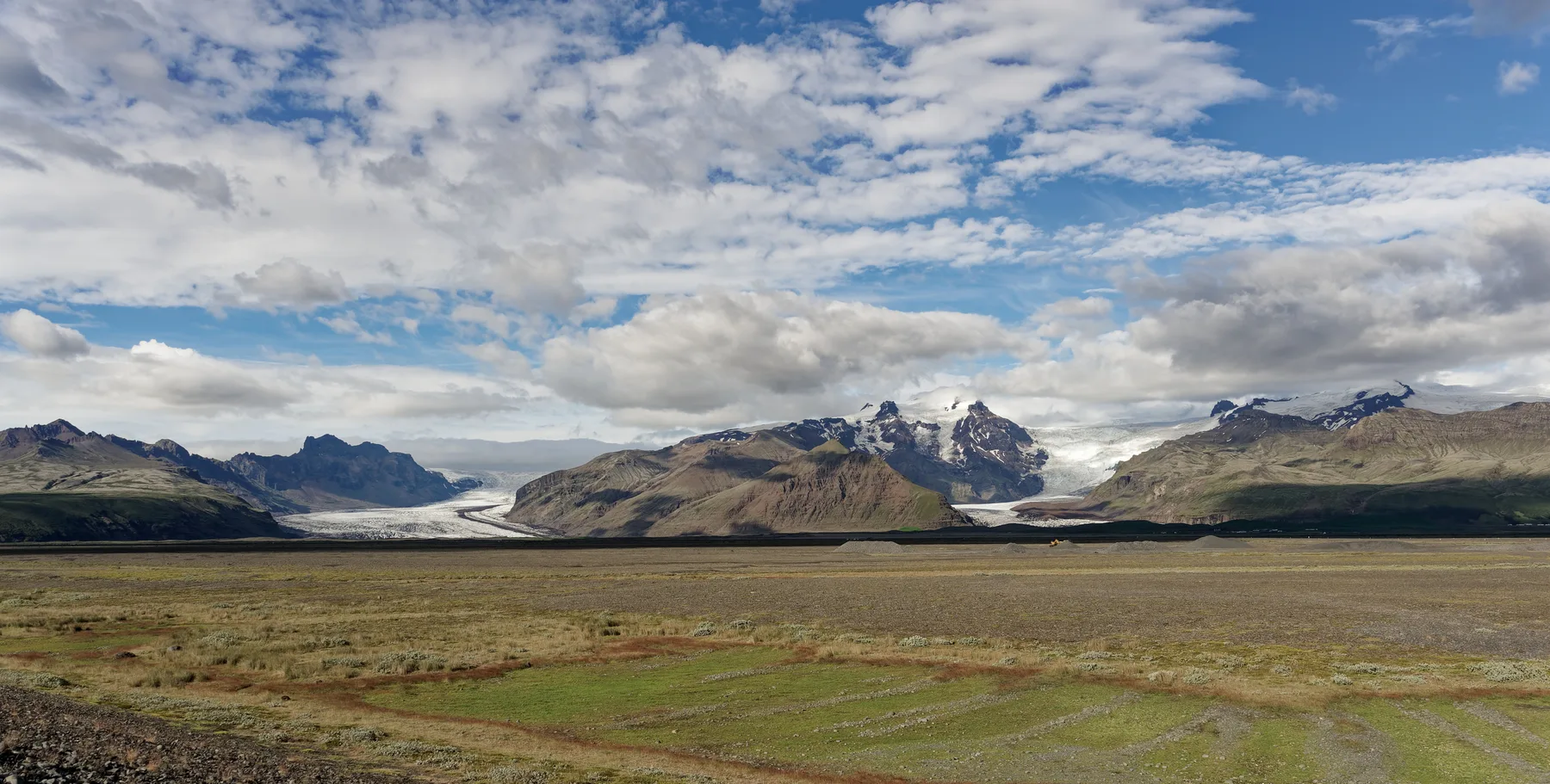
The cape is about 9 kilometres south of Route 1, making it a useful stop between Skaftafell and the glacier lagoon, but the meeting time takes up half a day.
The cape is breeding habitat for puffins and great skuas among other seabirds, with observation centred on the natural setting rather than feeding.
The cape is exposed and windy, and the activity notes call for weather-appropriate clothing; a light jacket and city shoes are not enough for the day.
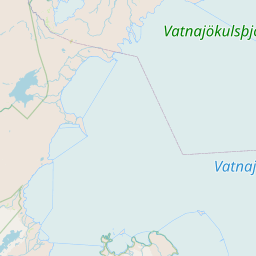
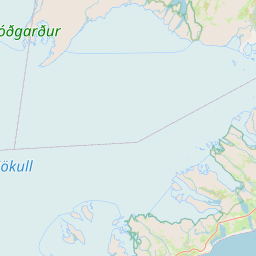
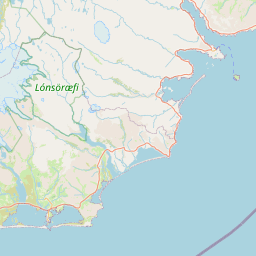
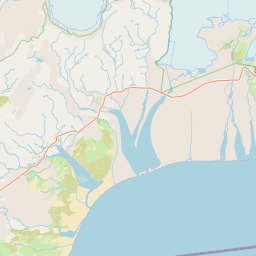 IngólfshöfðiHay cart / walking meeting pointSkaftafellWestern transferJökulsárlónContinue after the activityHöfnOvernight / supplies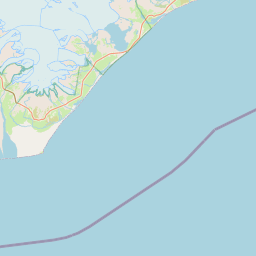

The hay cart is half the activity; the walk is the other half
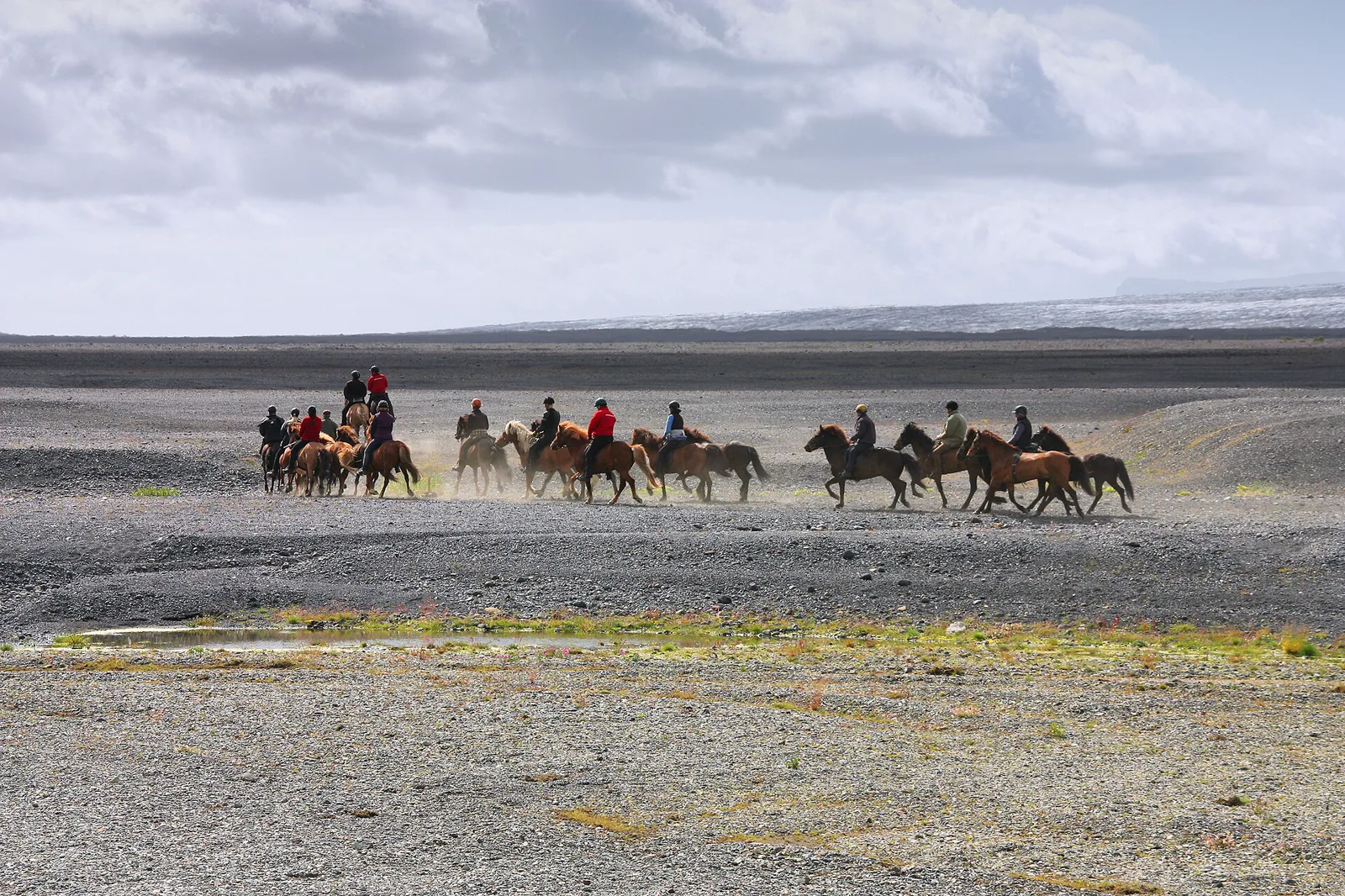
The meeting point is at a checking hut beside Route 1, about 2 kilometres from the main road; from there, a traditional hay cart crosses farmland and wetland, and private cars cannot be driven straight to the cape. The walk after arrival is about 3 kilometres, beginning with a steep sandy and rocky section before becoming easier. The information rates the difficulty as moderate. Grippy footwear and a windproof outer layer will directly affect whether you can watch the birds instead of managing every step.
This makes the experience quite different from a puffin outing on the Westman Islands (Vestmannaeyjar). The islands can combine a ferry, volcano trails and a boat trip into a full day; Ingólfshöfði takes you with a guide into one isolated cape, keeping the activity focused and leaving fewer transport choices. To compare the two puffin destinations, read Puffins on land or by boat in the Westman Islands, then decide whether you want a wildlife half-day or an island route.
| What you need to do that day | Better fit | What you keep | What it costs |
|---|---|---|---|
| Head east from Skaftafell and see seabirds before the glacier lagoon | Ingólfshöfði | A cape observation away from towns | 2–3 hours and a fixed departure time |
| Have only a city half-day and no South Coast transfer | Reykjavík harbour puffin boat | A short boat trip with a simple meeting point | More distance at sea and less walking in nature |
| Combine puffins, Eldfell and an island boat trip | One night on the Westman Islands | A complete island itinerary | Ferry schedules, taking a car or arranging parking |
| Pass the glacier lagoon in winter | Skip the cape activity | Time for an ice cave or the lagoon shore | There is no puffin season; do not force a summer plan into winter |
The date window is too narrow to describe simply as summer
The activity information gives a season of roughly May to September, while the more specific puffin observation window is about 20 May to 10 August. Departures are around 10:15 and 13:30, and there are no Sunday departures. Those dates and times are more useful than the name of a month: arriving on the South Coast after mid-August may still bring good weather, but not necessarily the breeding scene you came to see. Check the current departures for your exact date before building the activity into the itinerary; do not pay for accommodation first and hope a place appears.
The morning departure suits travellers staying near Skaftafell or the glacier lagoon. The afternoon departure can work when driving east from Vík, but allow for the hay cart, walking and a buffer for photos afterwards. Trying to catch a Jökulsárlón boat after the tour may look like one extra stop on paper, but in practice it makes two activities with fixed check-in times compete. Use the guide to Jökulsárlón and Diamond Beach in one morning to check whether your southeast Iceland schedule is too tight.
Driving in yourself is not more flexible; it can mean the wrong protected-area entrance
Environmental guidance notes that the roughly 9-kilometre access track crosses mudflats and potholes and is suitable only for off-road vehicles and tractors. Visitors should not drive there independently, and vehicles are restricted at the cape itself. That is why the hay-cart transfer exists. If you have a standard two-wheel-drive rental, do not treat the short line on a navigation app as a drivable tourist road. Leave the car in the designated place and follow the tour's check-in instructions.
The cape has no shelter from wind or rain. Wear waterproof shoes, a hat and gloves, and bring a windproof outer layer; secure your camera strap and binoculars, or birdwatching can turn into chasing a hat. If someone in your group only wants a few minutes with puffins, they can stay by the glacier lagoon or choose a museum. There is no need to slow the whole car down for one activity.
How to place it between the glacier lagoon, black beaches and your hotel
A workable summer version starts in Vík or Skaftafell and checks in for 10:15. After the activity, have lunch, continue towards Jökulsárlón and Diamond Beach, and stay near the lagoon or Höfn. Another version uses the 13:30 departure after a Skaftafell hike, but the hike must be shortened; do not label both Svartifoss and the cape as casual add-ons. To see whether a glacier activity will collide with the day, read the time cost of a South Coast glacier activity, then decide whether birds or ice get the priority.
Returning west towards Vík after the activity demands more daylight and energy, especially if dinner and check-in are still ahead. Staying east in Höfn makes supplies and the next day's Vestrahorn or Eastfjords route easier; staying near the glacier lagoon reduces evening driving. What you are paying for is a cape setting that ordinary free viewpoints cannot easily replace. Your hotel location then absorbs the pressure of the return journey.
Do the puffin season and departure times fit?
Check the Ingólfshöfði activity for your date
Put the date, meeting point, walking difficulty, rain gear and direction of your Jökulsárlón stay back into the same day before reserving half a day.
Choose your puffin format first
Puffins and boat trips on the Westman Islands · Grímsey puffin season
More reading
Then connect the glacier lagoon route
Jökulsárlón and Skaftafell · Vestrahorn and Jökulsárlón in one day · Hotels near the glacier lagoon
Q&A | Ingólfshöfði puffin tour
Can I drive to the cape myself?
That is not how to plan it. Protected-area information describes a muddy, potholed track suitable for off-road vehicles and tractors, and visitors should use the tour's hay-cart transfer.
How long should I allow if I only want to see puffins?
Allow 2 to 3 hours overall, including roughly 3 kilometres of walking and a steep sandy section at the start. This is not a five-minute roadside viewpoint.
Are there still puffins in mid-August?
The activity season can extend to September, but the clearer observation window runs to about 10 August. Check departures and the current notes for your date.
References
- Hey Iceland / Öræfaferðir | Ingólfshöfði Puffin Tour (hay cart, duration, season, departures, walking and meeting point).
- Iceland Environment and Energy Agency | Ingólfshöfði access (access track, vehicle restrictions and protected-area walking guidance).
- OpenStreetMap contributors (base map for the location graphic).
Before you leave, treat the cape as a half-day activity
Do not write only “Ingólfshöfði puffins” in the itinerary. Record check-in, the hay cart, the walk, the return to the parking area and the time of the next meal. That makes it possible to see whether the tour conflicts with a Jökulsárlón boat and whether Höfn or the glacier lagoon is the calmer overnight base.
Birds fly, and departures and wind conditions change. The guide can keep you on the designated route; you need to stay on the path, avoid chasing birds and keep off the vegetation. Put binoculars somewhere easy to reach and change into your windproof layer before the activity. One less rummage through the luggage leaves more time for the cape itself.
If wind or rain cancels the activity, the South Coast still offers alternatives such as the Skaftafell visitor centre, the glacier lagoon shore and Diamond Beach. Do not respond by driving into the protected area to find an improvised birdwatching point; the rules do not become looser because you lost a booking.
When travelling west to east, the cape sits naturally between Skaftafell and Jökulsárlón. Travelling east to west requires an honest check that you can reach your accommodation after the activity. If someone in your group dislikes wind or cannot manage the sandy slope, make the cape an option rather than replacing the question of fitness with “everyone is going”.
The puffin season has a daily rhythm too. The morning tour leaves higher sun and longer daylight for the return; the afternoon tour may connect more neatly with a drive from the west, but wind and delays can squeeze dinner. No departure is always best; the useful one is the one that matches your driving direction that day.
For a less pressured route, choose your overnight base—near the glacier lagoon or in Höfn—before choosing 10:15 or 13:30. Reverse that order and you may find that a beautiful cape has been inserted into a route with no spare time.