
L3 · WATERFALL ROUTE · NORTH ICELAND
Aldeyjarfoss or Goðafoss?
How to plan a North Iceland drive without wasting the day
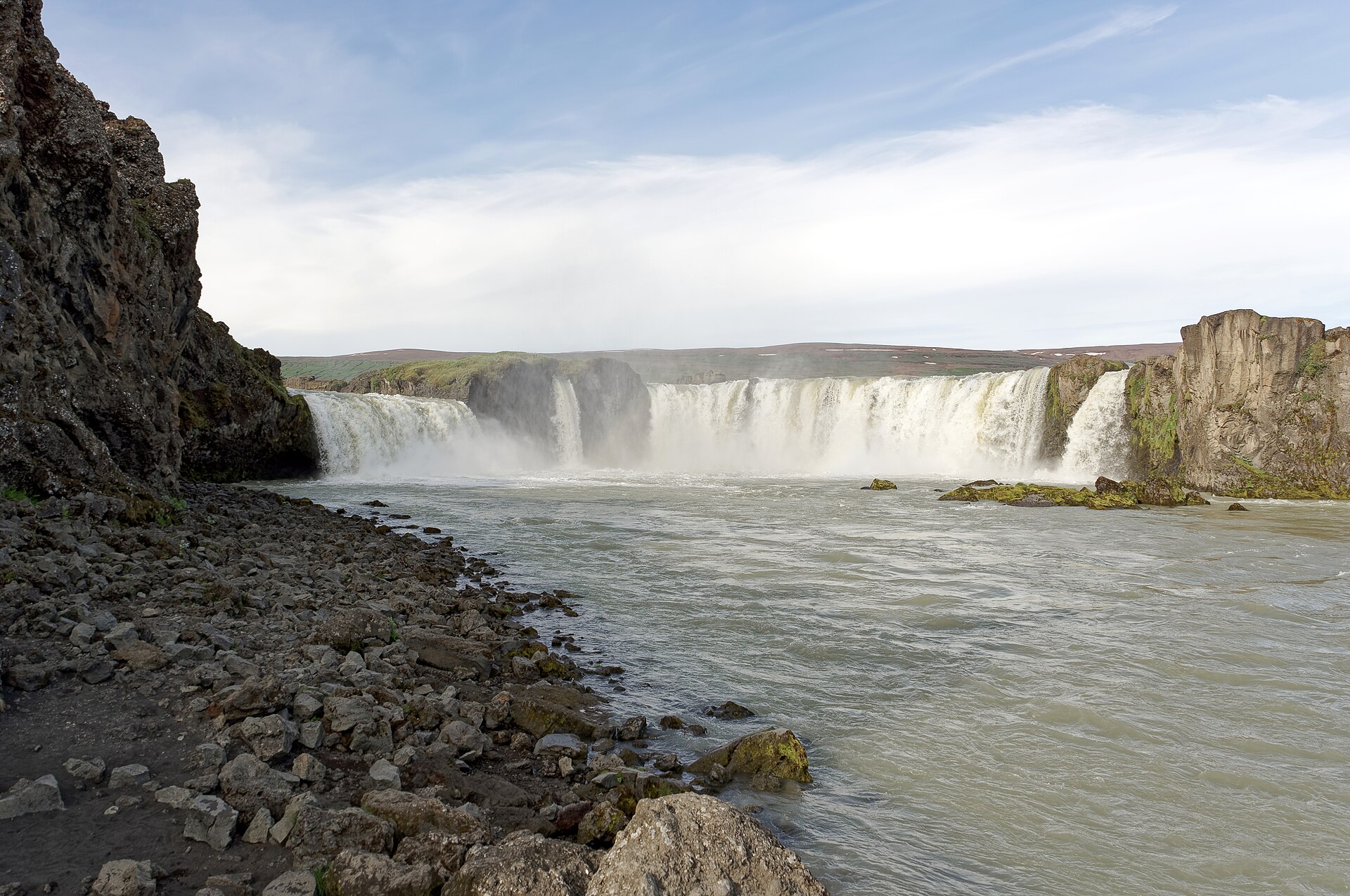
With only half a day, I would choose Goðafoss; Aldeyjarfoss belongs on the plan only when you have a summer 4WD, daylight and time to spare. Both are part of the Skjálfandafljót river system, and photographs show the same contrast of white water and black lava, but the time required is completely different: Goðafoss sits beside Route 1, while Aldeyjarfoss means heading south on Road 842 and then taking the F26 highland section.
ICENAVI · NORTH WATERFALL FIT
Put the driving risk on the table before choosing your waterfall
These scores cover only comparisons supported by enough practical information on this page; they do not turn an undocumented sense of atmosphere into a rating.
It is reached directly from Route 1; allow about 45–75 minutes after parking to visit viewpoints on both sides.
The roughly 20-metre waterfall drops into a basin enclosed by black basalt columns, a different landform from Goðafoss’s open riverbed.
Turn from Route 1 onto Road 842, continue for several kilometres on the F26, then walk downhill after parking; the return journey needs the same allowance.
The F26 is not maintained in winter; without same-day opening information and a suitable vehicle, keep only Goðafoss.
Leaving Akureyri, which stop is genuinely on the way?
From Akureyri, Goðafoss is about 75 kilometres away and roughly an hour by car, although snow on Route 1, refuelling and time at the viewpoints can change the actual duration. The waterfall sits where the river widens, and you can walk from the parking area to viewpoints on both the east and west sides; an hour is enough to see the flow and take photographs on a transfer day. To continue from Goðafoss to Mývatn, return to Route 1 and stay on the original route without taking the car into the highlands.
Aldeyjarfoss is upstream in Bárðardalur. Official tourism information places it at approximately 65.364291, -17.341099; the roughly 75-kilometre figure from Akureyri describes a straight-line distance, not the driving route. From Route 1 near Goðafoss, turn onto Road 842, then take the F26 near the farms and continue for several kilometres towards the waterfall; the F26 is a highland road whose opening dates and surface conditions change each year.
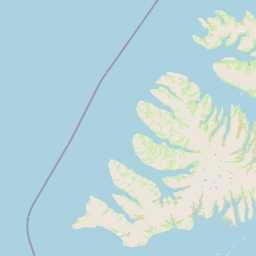
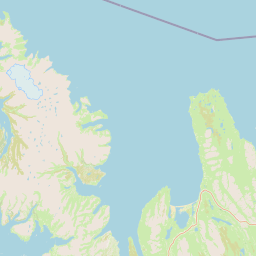
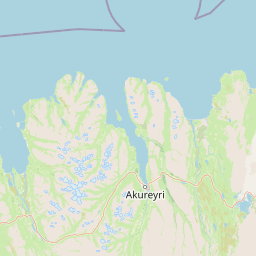
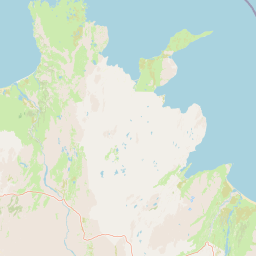
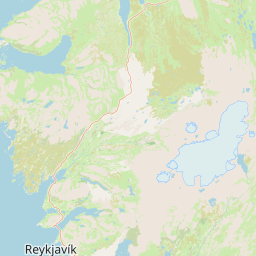
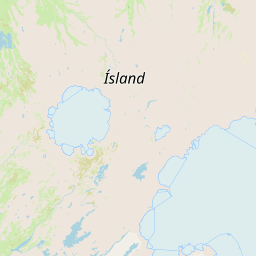
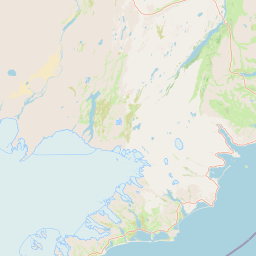
 AkureyriBase in the northGoðafossBeside Route 1Aldeyjarfoss842 → F26MývatnBase for eastbound or northbound stays
Two waterfalls, with very different time-to-reward
Goðafoss’s strength is that you do not need to redesign the day around it. The water divides into several channels across a broad riverbed, and both banks offer different angles; there is no long hike after getting out of the car, making it suitable if you have just arrived from the Eastfjords, are travelling with children, or have a whale-watching meeting time at the next stop. Even in winter, when only one side is open, it works as a short stop during a northern transfer. Keeping warm handwear and dry socks in the car is more practical than carrying extra camera equipment.
Aldeyjarfoss has a wall of black basalt columns that resembles a natural theatre, with the water dropping through a narrow opening into a dark basin. Official information notes that Ingvararfoss is further upstream, while Hrafnabjargafoss is about another 5 kilometres away; this matters for planning because reaching Aldeyjarfoss and completing the upstream trail are two entirely different half-days. If you intend to photograph one waterfall, do not hide the upstream distance in the small print.
| Your situation | My choice | What it costs you | How to connect the next night |
|---|---|---|---|
| Only 3–4 hours, then on to Mývatn | Goðafoss | About 45–75 minutes for viewpoints; the experience is easier to predict | Stay in Mývatn and continue to the geothermal area or Húsavík |
| July or August, 4WD, long daylight | Aldeyjarfoss | Roads 842 and F26, walking after parking, and a return buffer | Either Akureyri or Mývatn works; do not also squeeze in Dettifoss |
| Winter, thaw, snow forecast | Goðafoss | Shorter viewing time; some paths may be icy | Stay on the Route 1 corridor and reduce highland detours |
Road rules can change the answer completely
The final stretch to Aldeyjarfoss is not an ordinary gravel road. Visit Akureyri lists the F26 as a highland road and warns that it is not maintained in winter; F-roads are for vehicles that meet the 4WD requirements. A rental contract stating that the car is four-wheel drive does not mean it is suitable to enter on the day: assess snow, thawing mud and visibility separately. If the F26 entrance is closed, official information mentions walking about 8 kilometres return from the Road 842 direction. That is no longer a normal short waterfall stop and should be assessed as a hike.
Before setting out, check road.is for road conditions and the Icelandic Met Office for wind and snowfall forecasts, then put the time needed to return to the main route into your navigation plan. There is no dependable live resupply point at the edge of the highlands, so sort out fuel, drinking water and offline maps in Akureyri or Mývatn first. Aldeyjarfoss has no admission fee, so viewing it costs nothing; the real costs are a compliant vehicle, extra fuel and the half-day lost if weather forces you to turn back.
Plan around where you sleep, not the number of waterfalls
Staying in Akureyri and driving to Goðafoss in the morning before continuing towards Mývatn is the cleanest transfer. If the roads and timing are both ideal, make Aldeyjarfoss a separate side trip and go to Mývatn afterwards. With two nights in Mývatn, use the first day for Goðafoss and the geothermal area, then consider Aldeyjarfoss on the second; cancelling at short notice will not derail your departure day. For the difference between bases in Mývatn and Húsavík, read the comparison of where to stay in Mývatn and Húsavík. If you are moving east from Akureyri, the one-day route from Egilsstaðir to Mývatn is more useful than a simple attraction list.
If Dettifoss is already on your plan, I would not force Aldeyjarfoss into the same day. Dettifoss itself depends on conditions on Road 862 or 864; putting two high-risk side trips on one itinerary usually leaves only time spent driving. North Iceland gives you choices, and the day should not be held hostage by the idea that arriving in the region means seeing every waterfall.
Cost and time: a free attraction can still consume the budget
Neither waterfall usually charges an admission fee, although parking and on-site facilities at Goðafoss may change by date; at Aldeyjarfoss, fuel, vehicle type and time are the main considerations. For two people driving, budget roughly ISK 2,000–3,500 (about HK$110–190/NT$420–730) for the return fuel cost from Akureyri to Goðafoss. For Aldeyjarfoss, allow roughly ISK 3,000–5,500 (about HK$165–300/NT$630–1,150) because of the extra detour and slower sections. These are planning ranges, not a same-day quote; fuel prices and vehicle consumption will change the figures.
I would put Goðafoss down as 60 minutes and Aldeyjarfoss as at least 2.5–3.5 hours, including the turn from the main route, parking, walking, viewing and the return journey. Add more time if you want the upstream waterfalls; do not infer the schedule from a “short walk” in a viewpoint photograph. The useful question is whether those hours buy the basalt columns you actually want to see. If you simply want a beautiful waterfall, Goðafoss has already done the job.
ICENAVI · WATERFALL ROUTE CALL
Today’s trade-off
Keep Goðafoss for travellers who need a dependable transfer stop. Keep Aldeyjarfoss for a summer day with a suitable vehicle, enough daylight and a willingness to treat the road as part of the experience. If you reach the Road 842 entrance at 3pm and the F26 conditions are unclear, return to Route 1. Do not trade a full night’s accommodation and the next day’s activity for one attraction.
Want to connect your waterfall day with an activity?
Check experience times that can work in North Iceland
Put waterfall time, a Mývatn soak, Húsavík activities and your accommodation location on the same calendar. If the meeting times do not line up, do not force the combination.
Related reading
Plan your northern waterfall day
Goðafoss in the morning or evening light
Dettifoss in winter via the western Road 862
How to plan one day around Mývatn
More reading
Match your base and driving rhythm
Four-day North Iceland self-drive route
Akureyri or Mývatn as your accommodation base
Planning a winter self-drive in North Iceland
Q&A | Aldeyjarfoss and Goðafoss
Is Aldeyjarfoss worth detouring to from Goðafoss?
In summer, with a compliant 4WD, plenty of daylight and at least two and a half hours to spare, the basalt columns are a clear extra reward. With only half a day or uncertain road conditions, staying at Goðafoss is the more sensible choice.
Can a normal two-wheel-drive car reach Aldeyjarfoss?
The F26 is a highland road, so judge it by the day’s road rules and the rental terms. A short distance is not a reason to assume that a 2WD vehicle can use it.
Can you walk from Road 842 in winter?
Official information mentions a roughly 8-kilometre return walk from the main road, but snow, short daylight and wind can make it a genuine hike rather than a short waterfall stop.
How long should you allow for Goðafoss?
Allow about 45 minutes for one main viewpoint. To walk both sides and allow for parking and winter footwear, plan on 60–75 minutes.
Can both waterfalls be combined with Mývatn in one day?
There is a chance in summer if Aldeyjarfoss is treated as a separate side trip. Once you add the geothermal area or a bathing stop, drop one waterfall and keep a buffer for the return.
References
- Visit Akureyri: Aldeyjarfoss road and location information
- Visit North Iceland: Aldeyjarfoss landscape guide
- Icelandic road information: road conditions and F-road openings.
- Icelandic Met Office: wind, snowfall and visibility.
- OpenStreetMap contributors: base layer for the location map.