
ICENAVI WATERFALL FIT
How much time can you give the waterfall?
These scores reflect what changes on the day: light, footing and the drive after the stop.
There is parking beside Route 1, and the main viewpoint does not require a long walk. It fits neatly between Akureyri and Mývatn.
Lower-angle light can bring out spray and rock texture, but it needs to fit the direction of your overnight stay.
The east bank gives you the main curtain of water first; the west bank adds another angle and river lines. With little time, you do not need both.
The waterfall remains, but daylight and road conditions shorten the usable window. A midday stop is more dependable than chasing sunset.
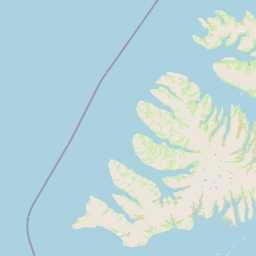
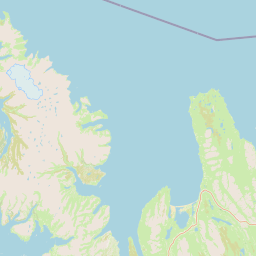
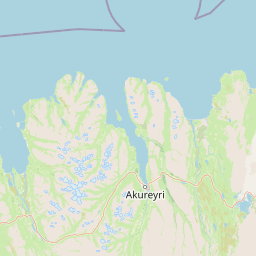
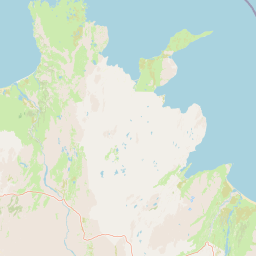 Akureyri
Western city base
Goðafoss
Beside Route 1 / short stop
Mývatn
Eastern stays and geothermal sights
Akureyri
Western city base
Goðafoss
Beside Route 1 / short stop
Mývatn
Eastern stays and geothermal sights
Morning works when Goðafoss starts the North Iceland day
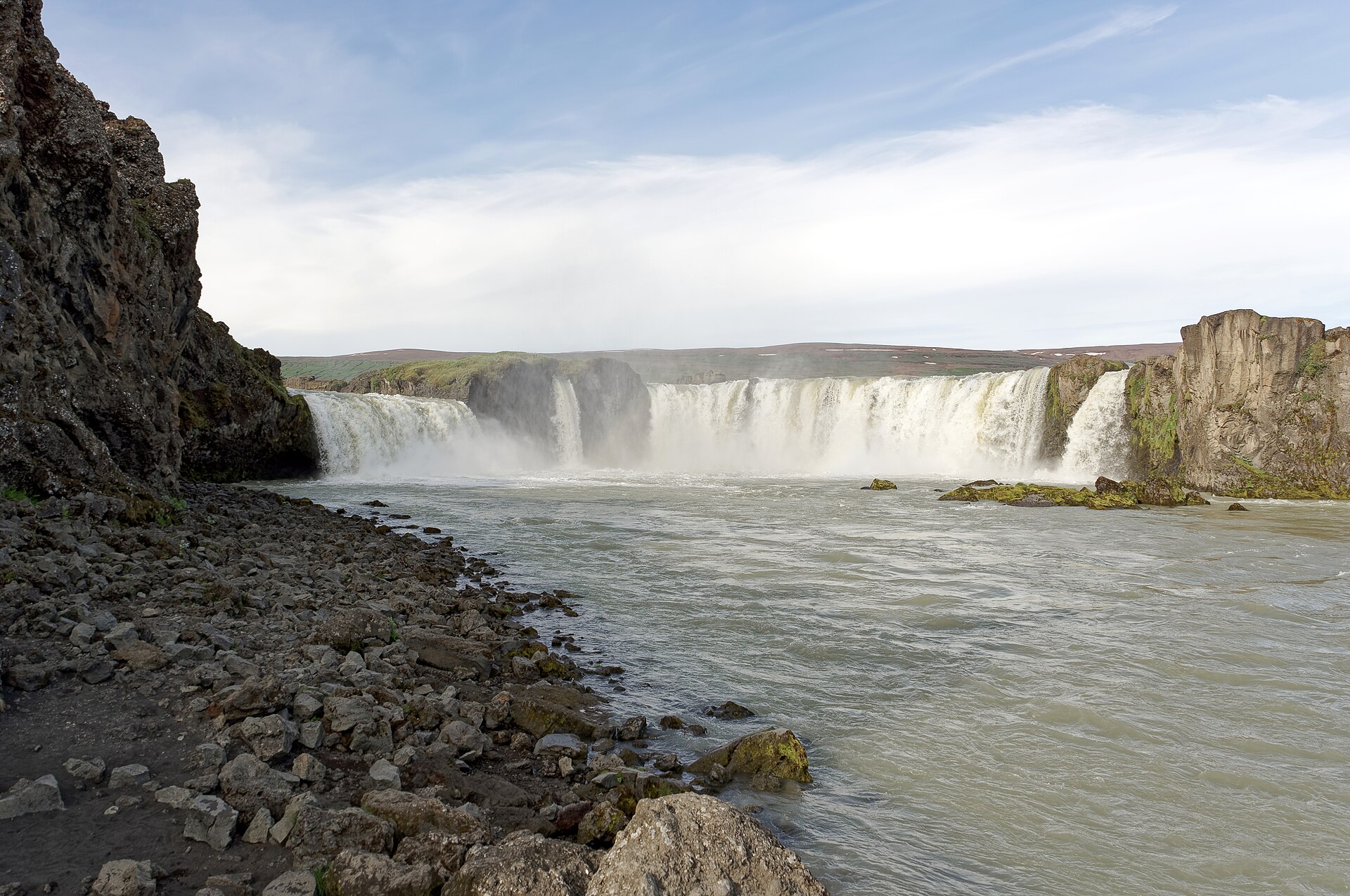
Leaving Akureyri after breakfast puts Goðafoss on the cleanest line east. Park, take the east-bank view, and add the west bank only if the road ahead has room. In under an hour you can continue towards Mývatn, Húsavík or the Diamond Circle without turning a transfer into a sightseeing marathon.
Morning light will not automatically turn the falls gold. Under cloud, the water often reads more evenly; in winter, the middle of the daylight window is also kinder to road conditions. If you only need the stop itself, the east-bank view is enough. Use the extra minutes for fuel or coffee before the longer drive.
Late light works when the waterfall is already on your way
Summer daylight leaves room after 16:00, when lower light can separate the spray, rock and river lines. That only helps if the evening route already passes Goðafoss. From Mývatn you still have the drive after the stop; from Akureyri you will be turning back. Count that return before you wait for better light.
Keep the late version for a day that already crosses the falls—Húsavík back towards Akureyri, or Mývatn back towards a car pickup. A hotel round trip for five minutes of better light is a poor exchange for dinner and rest.
| Where are you staying tonight? | Best-fitting time | Suggested stop | Why |
|---|---|---|---|
| Akureyri | Morning | 30–60 minutes | Continue east to Mývatn with no extra turn |
| Mývatn | Midday to afternoon | 30–45 minutes | Continue east after the falls and reach your base before dark |
| Húsavík | Afternoon | 45–75 minutes | Fits the return drive and still leaves room for dinner |
| Winter ring-road transfer | Middle of the daylight window | 20–30 minutes | Keep a buffer for roads and weather |
Choose the bank that matches your remaining time
The east bank is the straightforward first look: it is near the water, quick to reach and easy to leave. The west bank gives a different frame with river islands and the rock face, but the short drive between them still means another parking manoeuvre, jacket and path. With 30 minutes, choose one; the visit does not become more complete because both car parks are ticked.
After rain, higher water can throw spray onto the east-bank viewpoint. A waterproof phone pouch and lens cloth are more useful than a tripod. Ice can make the edge slippery in winter, so stop inside the railing. Moving one metre closer will not double the value of the photograph. At a free attraction, the real costs are weather and footwear; deal with those first.
Put Goðafoss between Akureyri and Mývatn, not beside a hard booking

Use Goðafoss as the hinge between Akureyri and Mývatn. On the eastbound drive, take the waterfall as your leg-stretch before a bath, lava field or crater; westbound, let it be the last outdoor stop before dinner in Akureyri. Read the Mývatn and Húsavík destination hub, then choose a bank according to the next fixed booking.
If Dettifoss is also on your list, do not treat both waterfalls as quick stops. Goðafoss can work in 30 minutes; the east and west approaches to Dettifoss and its gravel roads take more time. Read the Dettifoss east-bank or west-bank decision and put the longer day where roads and daylight are more reliable.
When photographing, do not look only at the sun's direction. Goðafoss drops from west to east, and cloud thickness, wind and spray can change the frame faster than the words sunrise or sunset suggest. A wide-angle lens can include both banks; with a phone, dry the lens before shooting. Wind beside a waterfall can blow droplets onto you, so a hooded jacket may protect the photographs better than changing lenses.
After parking, note which path you used to enter. The east and west entrances can look similar, and fatigue makes the wrong turn easier on the way back, especially when a winter hat reduces your sense of direction. Photograph the car plate or parking area, then check the exit back to Route 1 before leaving. That small habit prevents a night-time detour more effectively than taking ten extra waterfall photographs.
If you are on a North Iceland day tour, Goðafoss will usually be a short fixed stop. Save the ambition to walk both banks for a self-drive day. A tour suits travellers who do not want to manage road conditions; self-driving lets you stay fifteen minutes longer when the clouds suddenly open. Neither is inherently better. The important thing is not to turn a fixed return time into an improvised half-day photo session.
Goðafoss itself has no admission fee. The real cost is time and the driving route. From Akureyri, the round trip is roughly an hour and a half of driving; from Mývatn, it is easier to make the falls part of an east–west transfer. If you are also paying for a geothermal bath or whale-watching trip, a short waterfall stop can protect part of the budget. Write fuel, parking, coffee and an extra fifteen minutes as separate items so you can see whether waiting for the light is worth it.
For travellers without a car, confirm that a day tour actually stops at the waterfall rather than passing it from the bus. With less than half an hour, treat Goðafoss as a photo stop. For a slower visit, choose an itinerary that combines the falls with Mývatn sights and check the return time to Akureyri. That decision is more useful than simply seeing Goðafoss described as a must-see in North Iceland.
Before leaving, check the sky and road surface once more, especially after September. The sound of the falls can make five minutes feel like five; set a phone reminder so that “one more photograph” has a clear end. That keeps dinner, fuel and hotel check-in on one workable route instead of letting the day run away.
Have you chosen your waterfall time?
Check the overnight exit before chasing softer light
Goðafoss needs no advance booking. Look at the direction, daylight and next fixed stop first; only then decide whether the light is worth another half-hour.
Related reading
If you are still deciding how long to stay, read the Goðafoss destination guide, then place morning, midday or evening light back into your North Iceland route.
More reading
Akureyri, free things to do around Mývatn and choosing between Goðafoss and Dettifoss can help settle the next stop.
Q&A | Goðafoss timing and the two banks
Is Goðafoss better in the morning or afternoon?
Morning is most efficient on a transfer day. In summer, visit after 16:00 for lower-angle light, but calculate dinner and the direction of your overnight stay at the same time.
Do I need to walk both banks?
With 45 to 75 minutes, you can see each bank once. With only half an hour, choose the main east-bank viewpoint and leave the west bank for another visit.
Can I stop in winter?
Yes. The waterfall runs year-round. When daylight is short, make midday your default; grip underfoot and road conditions matter more than chasing sunset.
How long does it take to drive from Akureyri to Goðafoss?
The distance is about 35 km, commonly estimated at 35 to 45 minutes by car. Allow an hour in total for parking and walking at an easier pace.
References
- Visit Akureyri: Goðafoss (location, viewpoints and North Iceland connections).
- Visit North Iceland: Goðafoss (waterfall background and viewing information).
- OpenStreetMap (base map for the location figure).