
ICENAVI HVALFJÖRÐUR FIT
One fjord, two very different half-day plans
Rated by detour time, activity level, booking pressure and wet-weather alternatives. General scenery is not treated as a score in itself.
Route 47 connects the coast, valley and hot springs along one scenic road; the tunnel preserves time for the drive north.
Glymur has steep slopes, a river and a seasonal crossing point. Ordinary city shoes become a poor choice very quickly.
Hvammsvík has eight natural pools along a black-sand shore. The tide changes the water level and character of one pool.
Water levels and slippery ground affect the Glymur hike, while Hvammsvík can still work as a shorter activity. Keeping an indoor city option in reserve is the safer plan.
The return on Route 47 comes from the concentration of experiences. If your only aim is to reach North Iceland, the tunnel removes a stretch of fjord driving.
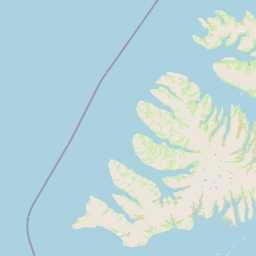
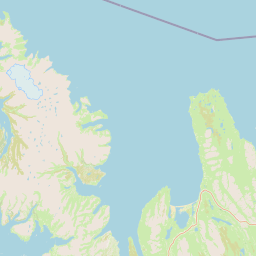
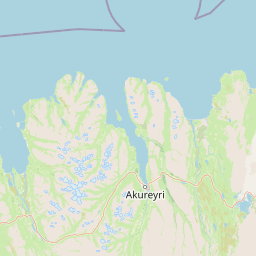
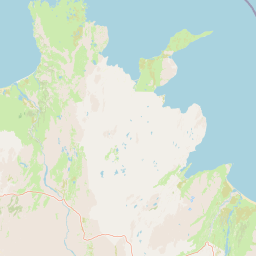
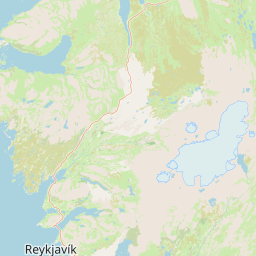
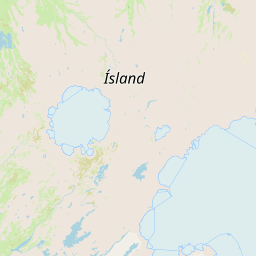
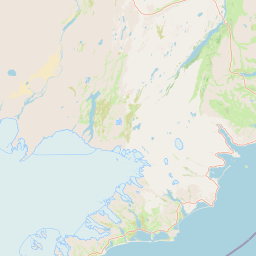
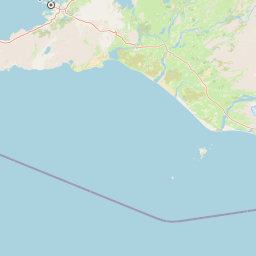
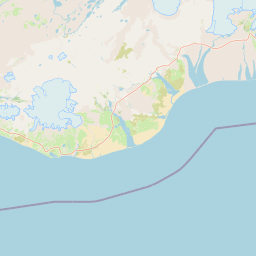
 Hvalfjörður
Route 47
Hvammsvík
Eight natural seaside pools
Glymur
Botnsdalur hike
Steðji
Rock landmark
Borgarnes
Western exit
Hvalfjörður
Route 47
Hvammsvík
Eight natural seaside pools
Glymur
Botnsdalur hike
Steðji
Rock landmark
Borgarnes
Western exit
Let tomorrow’s base decide whether Route 47 earns the time
Heading north from Reykjavík, the Hvalfjörður Tunnel takes you directly towards Route 1. Route 47 makes a slower circuit around the entire fjord. If you are staying in Borgarnes tonight before continuing to Snæfellsnes or the Westfjords tomorrow, the scenic road can turn the journey to your next stop into a half-day experience. If you need to reach Akureyri tonight, the detour will only delay dinner and check-in. This is an accommodation decision as much as a preference for scenery.
The Hvalfjörður coast has many bends. What looks like a simple arc on the map is broken up in practice by parking, photographs and sheep crossing the road. Allow more time than the navigation estimate so Route 47 can feel leisurely rather than becoming a race to reach the tunnel entrance.
Glymur is a hike; Hvammsvík is a timed soak
The Glymur hike begins at Botnsdalur and takes roughly 2–3 hours return. The route includes a river, steep slopes and a seasonal crossing point. The trail leads into the valley for views of the Botnsá waterfall; your shoes, socks and trouser hems may be wet afterwards. Even in summer, pay attention to the water level and wind. Read the detailed route on the Glymur waterfall hiking page. This page focuses on placing the hike within a full day around Hvalfjörður.
Set aside a dedicated bathing period for Hvammsvík. Eight natural pools line the black-sand shore, and the tide temporarily covers one of them with seawater. Early morning, dusk and winter light each create a different mood, but your reserved time slot will anchor the rest of the day. To compare it with Reykjavík swimming pools or other geothermal experiences, see the Hvammsvík decision guide. If you have already completed the Glymur hike in the morning, bathing in the afternoon is usually more comfortable than reversing the order.
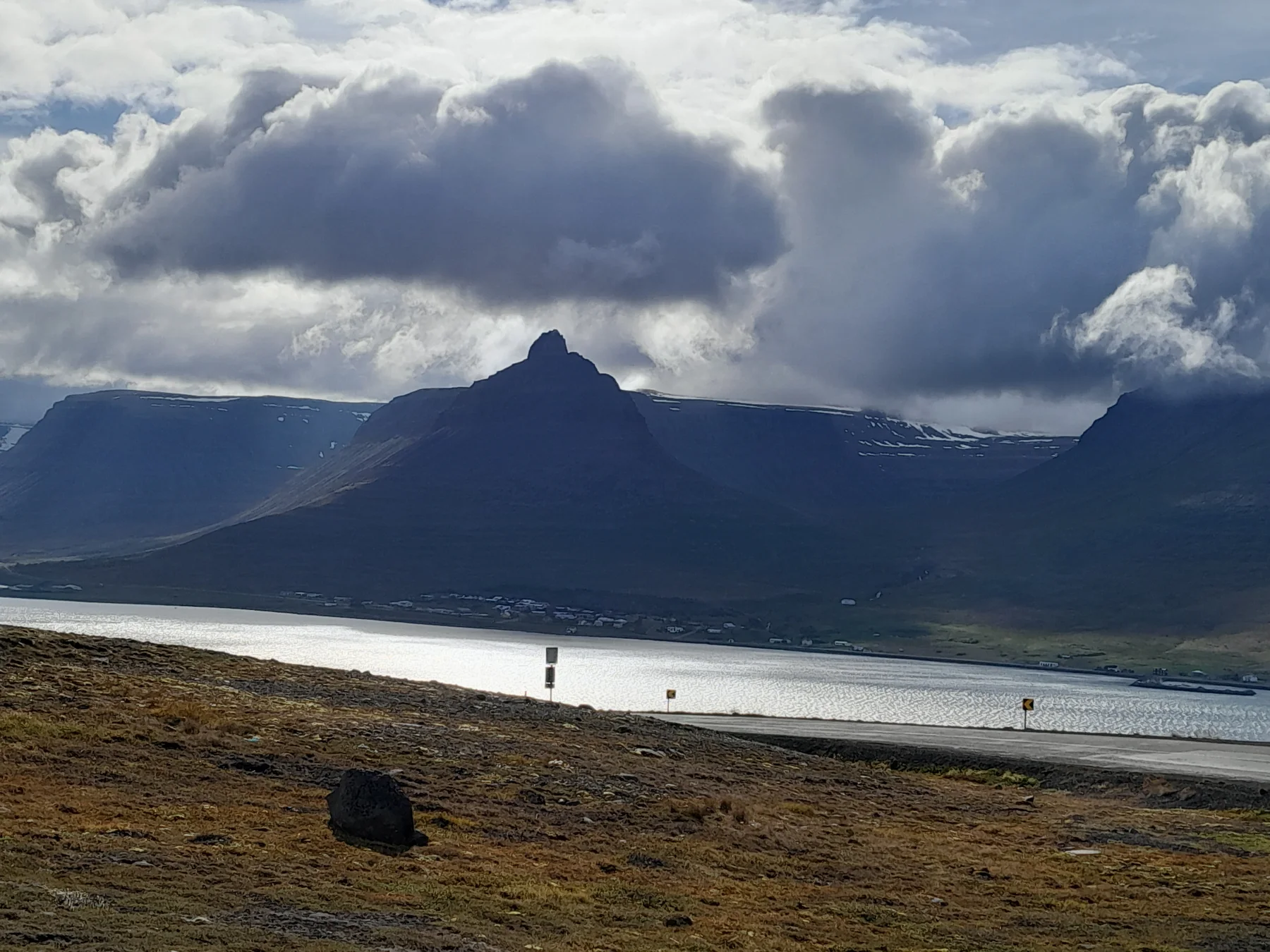
Steðji, also called Staupasteinn, is an easy roadside stop. The rock landmark has an information board and bench nearby and is accessible throughout the year. It gives companions somewhere to pause before or after the hike, or keeps a little of the fjord in your plans when rain forces you to cancel Glymur. Do not make a special detour simply to add another sight. It only makes sense as a short stop when you are already driving Route 47.
| Time available | Recommended combination | Where to stay | What to arrange first |
|---|---|---|---|
| 2–3 hours | Hike Glymur, then take the tunnel | Reykjavík or Borgarnes | Footwear, river level and return daylight |
| Half-day | One Hvammsvík bathing slot plus short stops on Route 47 | Central Reykjavík offers the easiest connection to your next stop | Booking time, towel and dinner timing |
| Full day | Glymur in the morning, Hvammsvík in the afternoon | Choose Reykjavík or Borgarnes according to the next day’s direction | Activity times and parking buffers |
| Just driving north | Take the tunnel, with Steðji or coffee as a short break | Keep the time for Borgarnes or Snæfellsnes | Do not switch to the fjord detour at the last minute |
For accommodation, Reykjavík works when you want to return to the city for dinner after bathing. Borgarnes brings you closer to Snæfellsnes or the Westfjords for the following day. If you are returning from West Iceland, review the supply stops at Flókalundur and Búðardalur before deciding whether to save Route 47 for the return journey. Planned this way, Hvalfjörður genuinely changes the route instead of merely adding one more photograph of the sea.
ICENAVI · HVALFJÖRÐUR CALL
Travellers do not always want the same activity
Lock in the bathing slot before committing to the full coastal road
Keep both activities for a genuinely open day
Pick Glymur or Hvammsvík when you have half a day. Put both on the same itinerary only when daylight, footwear, booking time and the next drive all have room. The tunnel protects a tight northbound schedule; Route 47 earns its place when slowing down at the fjord is the point. Sleep in Reykjavík for city services, or near Borgarnes when tomorrow heads towards Snæfellsnes or the Westfjords.
Route 47 is a deliberate coastal choice, not a default shortcut. Use it when the fjord, a hike or the bathing stop is part of the day’s purpose.
Glymur needs more than a pin on the map. Check the trail condition, river crossing arrangements, weather and the time you still need to reach the next room before committing.
Hvammsvík is easier to plan around a confirmed session than around a vague promise of a spare afternoon. Keep the booking, drive and changing time in one line.
The fjord can absorb a quiet first or final day, but it does not offer the same service density as Reykjavík or Borgarnes. Carry what the route needs before leaving the city.
Wind and rain can change the appeal of the coastal road quickly. A short viewpoint stop and an earlier return are valid outcomes when the hike or bathing window no longer works.
If the next morning is an airport transfer, compare the fjord detour with the cost of protecting that departure. A scenic final night is only useful if the road margin remains comfortable.
Hvalfjörður suits travellers who want one focused detour. Adding Glymur, Hvammsvík and several viewpoints to an already full Ring Road day removes the flexibility that makes the fjord appealing.
Choose the overnight base by the next hard clock: an early flight favours a shorter route, while a later westbound start can leave room for the fjord.
Before setting off, check Route 47, the trail information and the bathing operator’s current instructions. The landscape remains in place, but access and safety conditions do not.
Q&A | What to Ask Before Visiting Hvalfjörður
Should I take Route 47 from Reykjavík to Hvalfjörður?
Take Route 47 if you want to see the fjord or include Hvammsvík or Glymur. If your priority is simply to drive north, use the tunnel and save the time for your next stop.
How much time does Glymur require?
Allow roughly 2–3 hours for the return hike, plus time for parking, changing shoes and possible river-level delays. It does not fit comfortably between two fixed bookings.
How many pools does Hvammsvík have?
There are eight natural pools along the coast, and the tide affects one of them. Plan your arrival and departure around your reserved time slot.
Can I visit Glymur and Hvammsvík on the same day?
Yes, but allow a full day. Hiking in the morning and bathing in the afternoon is easier to manage. Choose only one if you have half a day.
Is Steðji worth a dedicated detour?
It is a light roadside stop accessible throughout the year. Add it when you are already taking Route 47; it is not worth changing your route for on its own.
Should I stay in Reykjavík or Borgarnes?
Stay in Reykjavík if you want restaurants and city services after bathing. If you are heading to Snæfellsnes or the Westfjords the next day, Borgarnes shortens the first northbound section.
References
- Visit Reykjavík | Hvammsvík (eight natural pools, tides and location).
- Visit Reykjavík | Glymur (location in Hvalfjörður and approximate hiking duration).
- Environment Agency | Steðji Natural Landmark (year-round access, parking and protection rules).
- OpenStreetMap contributors (the real-world base map used in this article).