
ICENAVI · LIGHT-PACKING ITINERARY
Travelling to Iceland with carry-on only can save you one wait at the baggage carousel and remove the worry of lost luggage, while making it easier to move between buses, rental cars and hotels. It also asks you to decide earlier how wet clothes will be handled, where a winter coat will go, how liquids will be divided, whether the first night has laundry facilities, and which item you cannot do without after a delay.
What light packing really saves is decision-making, not just weight
The greatest advantage of carry-on luggage is not looking effortlessly organised; it is being able to leave the baggage reclaim area as soon as you land. That gives airport buses, rental-car shuttles and late check-in a little more flexibility, and makes short connections or stays in different cities easier. Icelandic weather, however, can bring sunshine, rain, wind and low temperatures on the same day. If your luggage contains only one heavy coat and one pair of shoes, you may weigh less but have fewer choices when conditions change. Light packing should rely on a reusable layering system rather than endurance.
The aim on arrival day is to establish a base that works: know which bag contains dry clothes, which contains toiletries and which charger is ready; tomorrow morning, you should not have to empty the whole bag on the floor. What you need are clothes that work together, dry quickly and can be hung in the car or bathroom. The first day's plan should support that system.
How to divide your carry-on: three bags are faster than one
Divide your luggage into three areas that you can take out immediately. The first is the “landing bag”: passport, boarding pass, phone, charging cable, earplugs, eye mask, medication, pen and a small bottle of liquid permitted under the rules. The second is the “warmth bag”: a thin base layer, wool or fleece mid-layer, hat, neck warmer, gloves and one pair of dry socks. The third is the “accommodation bag”: pyjamas, toiletries, underwear, swimwear and one outfit for the next morning. Use clear or coloured packing bags for all three areas. After immigration, take out only the one you need, rather than scattering clothes and electronics in a draughty area.
Do not choose your coat and shoes by thickness alone. Wind resistance, waterproofing and grip usually affect comfort more than thickness by itself; for a winter or South Coast itinerary, wear the shoes before departure and make sure wet ground does not cause rubbing. Wear the bulkiest outer layer on the plane and keep interchangeable thin layers in the bag. If your airline has clear size and weight limits, your ticket type and carrier's rules are the final authority; another traveller's experience is not a reliable calculation.
| Area | What to keep inside | When to use it after arrival | Common mistake |
|---|---|---|---|
| Landing bag | Documents, medication, charger, eye mask | Plane to hotel | Putting it at the bottom of the luggage |
| Warmth bag | Base layer, hat and gloves, dry socks | Outdoors, shuttle, car collection | Bringing only one heavy layer |
| Accommodation bag | Pyjamas, toiletries, swimwear, next-morning clothes | Check-in and the following morning | Mixing all clothes together |
| Small electronics bag | Adapter, cables, power bank | Airport, car, room | Putting the power bank in checked luggage (if you later check a bag) |
At the airport: check your body and connection before you leave
After landing, do not rush to announce to your companions that “we still have plenty of time today”. Deal with the toilet, water and phone connection first, and make sure the accommodation address is available offline. If you are hiring a car, organise your coat, shoes and documents indoors before heading to the pickup point; rummaging through a bag outside in strong wind is uncomfortable and makes small items easy to lose. Check that your SIM or eSIM connects, download the map, and save the hotel's phone number and the rental company's emergency number. These preparations take just over ten minutes, but can prevent you from discovering in the car park that you cannot find the way.
Having no checked luggage does not mean you can skip time for immigration. Flight delays, passport checks, customs, shuttle schedules and the rental-car queue can stack up. Treat “leaving the airport” as a time window rather than an exact minute; any experience that cannot be changed should have at least one buffer you are willing to give up. If someone in the group needs a break, let them sit down and organise their luggage first. That is often quicker than everyone dragging bags around the airport looking for the exit.
Choosing transport: carry-on luggage gives you flexibility, but can make you overestimate your energy
If you are staying in Reykjavík, an airport bus is usually the simplest connection when you have little luggage. Check whether your hotel is within the drop-off area and whether you need to get off at a designated stop and walk from there. When choosing city accommodation, count the final 500 metres: cobbles, slopes, rain, wind and a rolling suitcase may be more tiring than the bus itself. If you stay at the airport or in Reykjanes, the transfer is shorter, so you can shower and settle in earlier on the first night. A carry-on is convenient in a rental-car boot, but still check the boot space, vehicle type and whether the luggage can remain out of sight for security.
On arrival day, avoid taking on a long night drive immediately after collecting the car. The driver needs to adjust to the vehicle, road signs, wind and navigation; passengers need to confirm the accommodation entrance, petrol station and toilet options. If a road or weather warning appears, shortening the route and staying somewhere nearby is part of a complete itinerary. See first-night accommodation in Iceland and winter driving road principles, and list “where can we safely sleep for one night?” as a real backup.
What to eat and buy on day one: replenish only what cannot wait until tomorrow
Carry-on itineraries often rely on precise shopping to stay light, but you may not have time to compare options slowly after an evening arrival. Buy breakfast, water, simple fruit or bread, any medication someone in the group needs, and one or two foods for anyone who cannot go long without eating. Do not spend all your post-flight energy hunting for the cheapest supermarket to save one meal; do not stock up on a whole bag of drinks either, as it adds carrying and loose items in the car. If the hotel has a kitchen, check the cookware, fridge and check-in time before deciding whether to cook.
For clothing, the most useful purchase on the first night is rarely another thick top. It is a place to dry wet socks, gloves and outer layers. Check in advance whether the accommodation has a washing machine, dryer or hangers you can borrow; if it does not, two lightweight clips and a quick-drying towel are more useful than another pair of jeans. For every purchase, ask: “Can I use it repeatedly over the next few days?” If the answer is no, wait.
Blue Lagoon, a city walk and sleep: choose one on arrival day
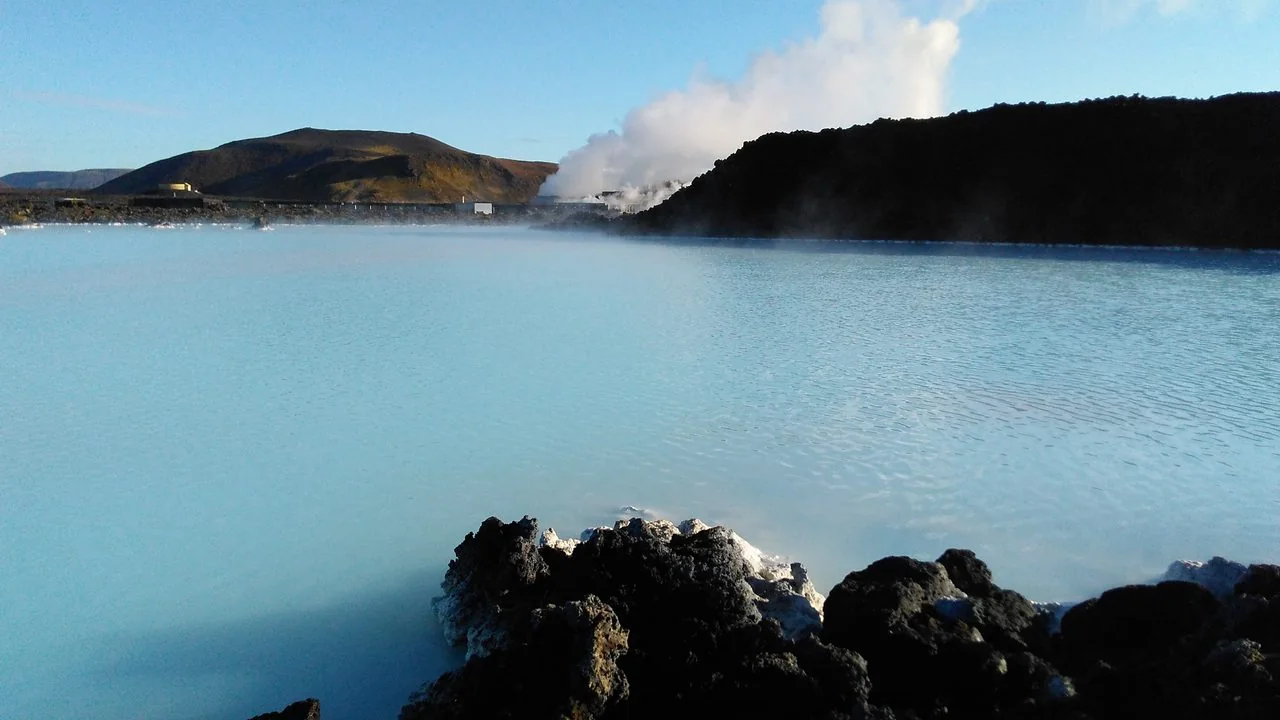
Blue Lagoon works for some travellers arriving during the day with a reservation and a smooth car-collection process; it should not be the fixed first stop for every flight. If you choose it, include luggage storage, changing, showering, onward transport and dinner in the schedule, and do not add an in-depth city visit. If you choose Reykjavík, keep the walk close to the hotel: buy food, see one or two street corners and return to the room early so you have full energy the next day. If the flight arrives late, sleep may be the only main experience, and that does not mean the itinerary has failed.
When deciding whether to add an activity, check four conditions first: does the flight have a dependable margin, can the transport be cancelled, is the late-arrival policy clear, and can everyone cope with continuing to move without a shower or a rest? If two answers are not certain, move the activity to another day. Carry-on luggage reduces the cost of handling bags, but it does not remove jet lag, low temperatures or fatigue from a long flight.
Adjust by season: protect sleep in summer and preserve alternatives in winter
Long summer daylight can make it seem as though you can keep driving into the evening, but continuous brightness makes fatigue easy to miss. Set a latest check-in time on arrival day so that “one more attraction” does not become a late-night search for accommodation. In winter, daylight is short and wind, snow and road conditions can change faster. Keep clothing layers easy to reach, and make nearby airport accommodation, a bus instead, or collecting the car the next day into genuinely workable alternatives. Before departure, revisit the official road, weather and safety notices in every season.
A ready-to-use arrival-day timetable
0–60 minutes after landing: toilet, water, connection, put on your layers, confirm the hotel and transport. Next 60–150 minutes: complete the bus transfer or collect the car; if hiring, take photos and check the fuel type and vehicle condition. After reaching the accommodation: take out only tomorrow morning's clothes, charger and toiletries bag, hang wet clothing, and keep the rest of the luggage packed away. Before and after dinner: buy a small amount of supplies, then confirm the first fixed time and road information for the next day. Before bed: set the alarm and leave your passport and carry-on near the exit; if you are already tired, cancel every optional activity. The point of this rhythm is not the exact minute count, but the room to shorten each stage.
Final checks before departure
Confirm that your passport, insurance, payment card, eSIM, charger, medication, glasses and any necessary prescription documents are in the landing bag; liquids comply with airline rules; your coat and shoes can handle wind and rain; tomorrow morning's clothes are reachable without unpacking; the accommodation has late-arrival instructions and laundry information; rental-car or bus cancellation and change terms are saved as screenshots; and the official road, weather and activity pages are bookmarked. If you are travelling with a baby, an older person or someone with a special diet, put anything they cannot afford to be without at the top.
Travelling to Iceland with carry-on only is not a contest to see who brings the least. It is about having each item appear at the right time. Skip one wait for luggage and you gain a little choice; skip one arrival-day attraction and you gain a real night's sleep. When the luggage can be organised in five minutes, the itinerary has room to change with the weather.
Related reading
Sort out arrival and accommodation first
Where to stay on your first night in Iceland?KEF to Reykjavík transportQ&A | Iceland with carry-on only
Is carry-on only practical in winter?
Yes, but it depends on layers, windproof and waterproof outerwear, quick-drying clothes and a laundry plan. If you need large photography or specialist equipment, recalculate against the airline's rules.
Should you go straight to Blue Lagoon on arrival day?
Consider it only when you arrive during the day, have a reservation with some buffer, can change the transport, and everyone has enough energy. With a late flight or a road warning, checking in and resting come first.
Can you leave later because you have no checked luggage?
You can save the time spent waiting for luggage, but not immigration, transport, car collection, eating or sleep. Plan with a time window rather than filling every minute.