
ITINERARY DECISION · SIX DAYS
Six calendar days often leave four or five useful days after flights, car collection and the airport return. With the full Ring Road ruled out, the extra night can deepen a route you already have, buy a separate western or northern base, or remain open for a weather change. Each option solves a different problem, so start there rather than with a list of sights.
Q&A | Questions to settle before choosing your sixth day
Is Snæfellsnes manageable in one day?
From Reykjavík, the western highlights are roughly 250–300 km away and take about 4–5 hours of driving before allowing time for Kirkjufell, Arnarstapi and the Black Church. A one-day trip can cover a pared-back loop; two nights are what give you room for sea conditions or a trail turning back.
What is easiest to underestimate about North Iceland in one day?
Reykjavík to Akureyri is about 380 km one way and 4.5–5 hours; Mývatn adds another 1.5 hours. If you add only one night, the drive consumes time that should belong to the sights and a safe return.
Is a buffer day a waste?
It buys the option to cancel a hotel, move an activity, sleep later and avoid crossing regions in strong winds. That matters especially in winter, when road conditions and visibility cannot be fixed by driving for one extra hour.
First work out how much of the “extra day” actually exists
Six days usually means five nights. If you collect the car from Keflavík International Airport (KEF) on the first afternoon and must return it two to three hours before the final flight, you may have only four genuinely complete days. That changes the trade-off: adding a day on the South Coast, around Vík or Höfn, extends a direction already on your route; Snæfellsnes sends the car northwest and then back again; North Iceland moves the accommodation base away from the southwest altogether; a buffer puts time where the variables are most likely to appear.
A navigation estimate leaves out parking, fuel, food, waterproof layers, toilet stops and the time people actually spend looking at a place. Six hours behind the wheel is not six hours at viewpoints, even under summer light. Near Reykjavík in December, sunrise is around 10:00 and sunset around 15:45, although the exact dates shift each year. Put car collection, check-in and fixed meeting times on the table first; only then can you see whether the “extra day” exists.
| Choice | Additional driving / accommodation work | Best suited to | What it saves or buys |
|---|---|---|---|
| Deeper South Coast | Vík to the glacier lagoon is about 180–200 km and 2.5–3 hours one way; plan two nights in Vík or split between Vík and Höfn | First visits focused on waterfalls, glaciers and black-sand beaches | One long return journey; room to reschedule an ice cave or glacier hike |
| Snæfellsnes Peninsula (Snæfellsnes) | Reykjavík to Stykkishólmur is about 170 km and 2.5 hours; the peninsula loop adds roughly 170 km | Summer, after the South Coast is complete, for coastlines and small towns | One or two nights devoted to western scenery; no North Iceland fuel bill |
| North: Akureyri / Mývatn | Southwest Iceland to Akureyri is about 380 km; Akureyri to Mývatn is about 90 km | Travellers with whale watching, geothermal bathing or two nights in the north already planned | A concentration of northern activities; the price is regional fuel, accommodation and return-journey risk |
| Buffer day | No regional change; stay on in Reykjavík, Selfoss or Vík | Winter, one driver, or non-refundable activities | One fewer hotel move and one fewer cancellation cost while protecting the return |
South Coast: turn the extra day into less rushing
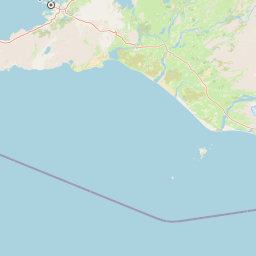
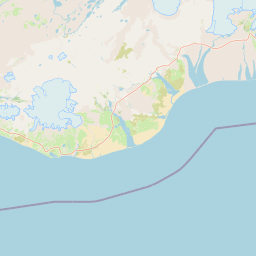
The South Coast is the easiest choice to make useful because it extends the direction many first trips already take. Selfoss to Vík is about 120 km and two hours; Vík to Jökulsárlón is about 190 km and 2.5–3 hours. In one day, waterfalls, black-sand beaches and the lagoon compete for the same daylight. The extra night lets you give Skógafoss and Seljalandsfoss a western day, leave a glacier activity or Diamond Beach for the east, and stop changing hotels simply to move the map marker.
A workable five-night framework is one night in Reykjavík, one in Selfoss, two in Vík and one near the airport. If the glacier lagoon is the main event, change that to one night in Vík and one in Höfn, then return to Vík or the southwest, accepting that the final drive is long. In winter, Höfn is a poor choice for the last night because snow and wind can compress the return window from the eastern end to KEF. For activities, ice caves (usually November through the following spring) and glacier hikes depend on the operator's meeting point; placing an activity between consecutive nights makes cancellations easier to absorb than putting it on a cross-region day.
Cost is not just the room rate. Two consecutive nights normally remove one packing and unpacking window and one round of rechecking breakfast and parking. Keeping the rental car away from the Vík–Reykjavík round trip saves about 240 km; at an estimated 3 litres per 100 km and fuel prices that fluctuate daily, fuel savings are only about US$10–20. The meaningful savings are time, parking and the risk of changing a booking at short notice. If you planned one night in Höfn for the glacier lagoon but a road warning appears, a cancellable Vík room is often cheaper than chasing a prepaid room.
A western detour changes the scenery, but the travel cost remains
The Snæfellsnes Peninsula (Snæfellsnes) works as a dedicated western day, not as a casual insertion into a South Coast gap. Reykjavík to Borgarnes is about 75 km and one hour; continuing to Stykkishólmur, Kirkjufell, Arnarstapi and Búðakirkja makes the complete peninsula loop 6–8 hours of driving plus stops. In summer, more than 20 hours of daylight can spread the viewpoints out; in March, April or October, wind and low-angle light make the coastal walks slower.
If you choose it, reserve at least one night in Borgarnes or Grundarfjörður. An early start and late return from Reykjavík can tick off several landmarks, but it turns the extra day into another long day. The accommodation trade-off is that western guesthouses often have kitchens, so one grocery shop can reduce spending at remote restaurants; late check-in, breakfast hours and winter snow clearing still need checking property by property. If you want a Breiðafjörður bay ferry or a sea activity, put the sea-weather day and cancellation terms into the same overnight plan instead of locking yourself into a fixed hotel in a second region.
North Iceland: only if you are willing to move the whole rhythm north
North Iceland looks tempting when you see Akureyri on Route 1, but the distances still count. From the southwest, the one-way drive is roughly 380–400 km; Akureyri to Mývatn adds about 90 km, with Húsavík pointing in another direction. To make the north worthwhile, plan two nights, share the driving in summer and keep any whale-watching or other timed activity movable. An early harbour check-in and a cross-region return do not belong on the same day.
The north earns its place through geothermal bathing, Dettifoss, Mývatn's volcanic landscape and Akureyri food and drink, which create a subject distinct from the South Coast. The price is another fuel leg, tunnel fees and two nights in more remote accommodation, followed by pulling the final night west. If the last flight is early, leave North Iceland at least the day before; otherwise one road closure leaves no alternative. Even when Mývatn's aurora appeal is strong in winter, check the same-day information from Umferðin, Vedur and SafeTravel first. “See the sights by day and chase the lights at night” does not remove the basic cost of icy roads.
Buffer day: make the day an option you can take back
A buffer day is not a day spent staring at a hotel wall. It puts an unpredictable variable into the itinerary in advance. You can use it for a Reykjavík city day, a geothermal pool, a museum or laundry; you can also stay in Selfoss or Vík and wait for the wind to ease before visiting nearby waterfalls. When a fixed activity sits before or after the buffer, keep the operator's cancellation deadline, meeting point and refund rules as separate facts; a calendar with one day left blank is not enough.
This choice can usually save one non-refundable night, one luggage move and one night drive. For solo drivers, families, older travellers or visitors travelling from December to March, those are not abstract comfort points but real cash value when delays still need to fit the return journey. In summer, if every room is cancellable and the South Coast sights are already complete, the buffer can become Snæfellsnes the day before departure. It postpones the decision instead of wasting an empty day.
Use accommodation and daylight to draw the four routes
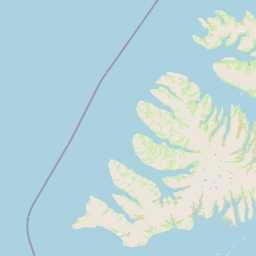
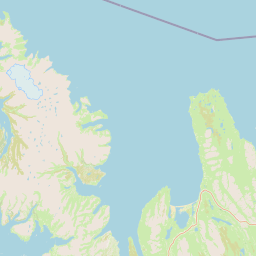
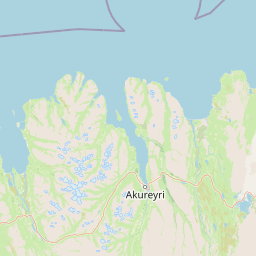
Seasonal reality check: daylight is route capacity, not permission to overwork
June to August brings long daylight, so stops in Snæfellsnes and North Iceland have more breathing room, but peak-season rooms, activities and parking also rise together; seeing a few more stops in one day does not cancel fatigue. From September to October, daylight shortens day by day, making the South Coast or a buffer the stronger backbone and leaving two nights for the aurora. From November to March, ice caves and auroras can become the trip's main activities, but they require more room for a road turning back; staying on the South Coast or buffering in the southwest is generally steadier than crossing to the north. April and May sit between those patterns: the highlands are often still closed, and northern passes and coastal winds cannot be estimated using a summer timetable.
Make the final call by asking what the trip needs most. If another night in the same region would remove the rush, deepen the South Coast. If you want a genuinely different landscape, give Snæfellsnes two nights. Choose Akureyri or Mývatn only when the north has a clear activity or interest of its own and the route can move there safely. When none of those cases is convincing, keep the night near your existing base as a weather option; it will do more work than another line on the map.
Related reading
Confirm the six-day baseline first
Is a six-day Ring Road realistic?
How to allocate five South Coast days
Next decision
Make the extra night fit
The trade-off of one night in Snæfellsnes
How to decide on one day at Mývatn
References
- Visit Iceland: The Ring Road (road distances and Ring Road planning context)
- Umferdin (same-day road conditions)
- Icelandic Meteorological Office (weather and daylight decisions)
- SafeTravel / ICE-SAR (driving safety)
- OpenStreetMap contributors (illustrative map)