
Use the extra nights as weather buffer: From June to August, if you have fourteen nights and can accept around 3–5 hours of driving a day, use the thirteen-night framework of “Reykjavík 1, Snæfellsnes 2, Westfjords 3, North 2, East 2, South Coast 3, return 1”, then keep one night for weather and ferry contingencies. In May, September or winter, drop the full Westfjords loop and give the three nights back to the South Coast and East; fourteen days does not mean fourteen full sightseeing days.
Work out what fourteen nights really allow
For a typical Hong Kong arrival at KEF in the early morning or afternoon, day one usually leaves time only for collecting the car, shopping and driving to Reykjavík or Keflavík; the departure day also needs room for returning the car, refuelling and the airport transfer. That leaves roughly twelve complete days that can move. One circuit of the Ring Road is about 1,332 kilometres before parking and side roads; adding the Snæfellsnes Peninsula takes about 250 kilometres, while the Westfjords route from the southern entrance to Ísafjörður and back to Route 1 adds at least 500–700 kilometres.
Multiply the navigation time by 1.35 to 1.5 for a closer estimate of the time travellers actually need: parking, wind and rain, toilets, lunch, fuel stops and photographs all take time. In summer, 3.5 hours of driving still leaves room for activities; above 5 hours, schedule only one fixed activity that day. Car hire, fuel, parking and accommodation are the main costs; for a small two-wheel-drive car, fourteen days of hire with basic insurance commonly comes to about 180,000–320,000 ISK, while fuel calculated from 2,800 kilometres, 7 litres per 100 kilometres and about 320 ISK per litre is roughly 62,700 ISK. In high season, budget 25,000–55,000 ISK per room per night.
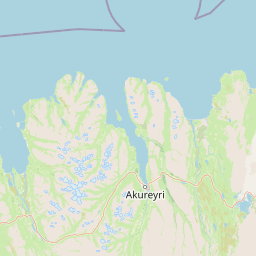
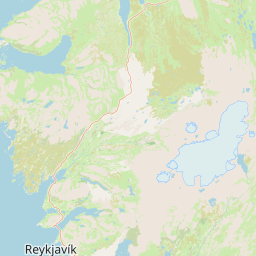
Decide by season whether the Westfjords belong in the plan
| Travel window | Route decision | Nights to protect | Check before booking |
|---|---|---|---|
| June–August | The Westfjords can fit into the Ring Road; first decide whether the ferry and 3–5 hours of driving a day suit your group. | Keep three nights for the Westfjords, plus one night as a weather or ferry buffer. | Baldur vehicle space, check-in time, Route 60 and cancellation deadlines for remote stays. |
| May or September | If side-road services or the road window look uncertain, drop the full Westfjords loop and give those nights to the South Coast. | Add three South Coast nights rather than treating a transfer day as a full sightseeing day. | Mountain-pass conditions, seasonal sailings, and opening dates for meals and activities. |
| October–April | Do not treat the Westfjords as an add-on loop; shorten the route around daylight, closures, wind and snow. | Use the South Coast, Jökulsárlón and Reykjavík as bases that are easier to adjust. | Road alerts on the departure date, cancellable stays and activity rescheduling terms. |
A workable allocation of the fourteen nights
Nights 1–3: Reykjavík and the Snæfellsnes Peninsula
Spend the first night in Reykjavík, about 50 kilometres and 45–60 minutes from KEF after collecting the car. The next day, travel via Borgarnes to Kirkjufell and Búðakirkja, about 200 kilometres and 3 hours of driving time, then stay in Grundarfjörður or Stykkishólmur. On the morning of day three, walk the roughly 6-kilometre return route between Arnarstapi and Hellnar before continuing towards Brjánslækur. If you are taking the Baldur ferry to the Westfjords, allow 60–90 minutes for check-in according to the seasonal sailing schedule, and confirm the vehicle-space and port-change terms before buying.
Nights 4–6: Choose one Westfjords spine
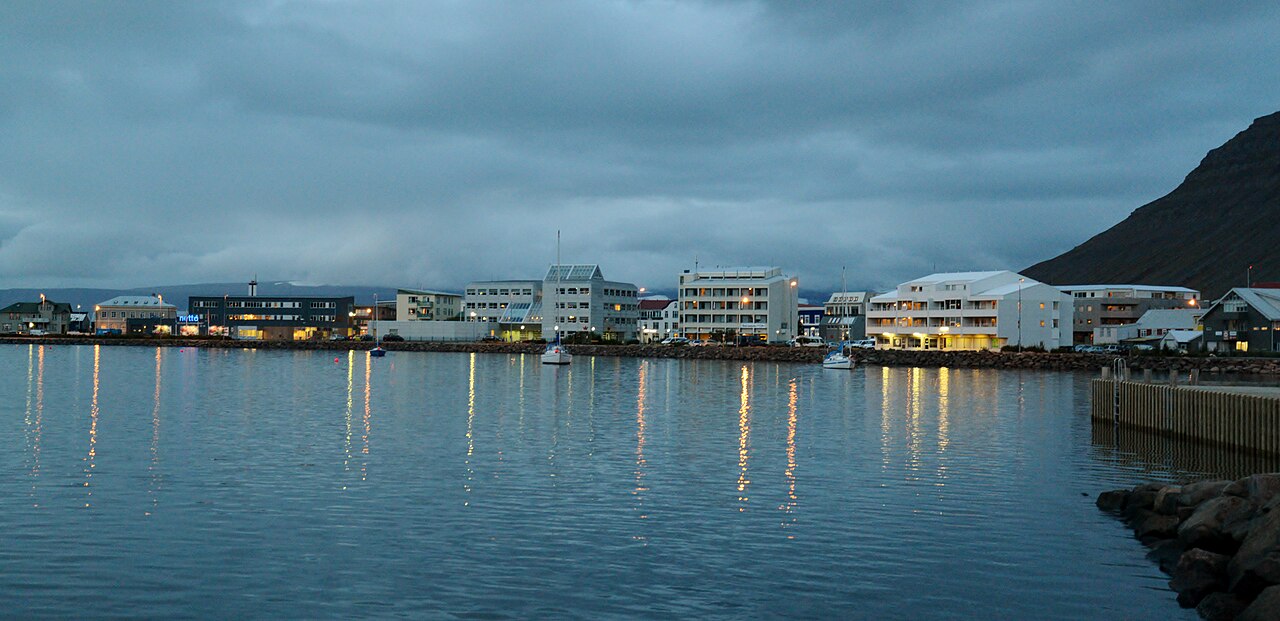
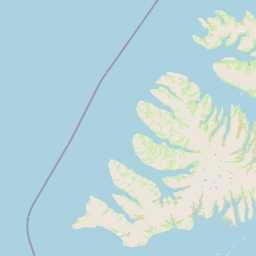
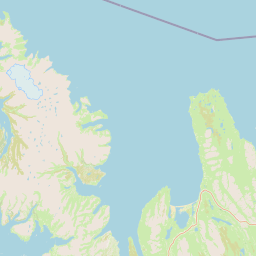
After disembarking, it is about 65 kilometres and 1.5 hours to Patreksfjörður; the next day, visit Dynjandi and Þingeyri, about 150 kilometres and 3–4 hours. Use the third night for Ísafjörður, with a coastal walk or a Westfjords heritage activity. Accommodation for these three nights should be cancellable, because Route 60’s mountain pass, the ferry and misty rain can change the day’s plan. Do not chase both Látrabjarg and Ísafjörður; the former adds another 150–200 kilometres of gravel road and can consume the entire spare night.
Nights 7–9: Akureyri, whale watching and Mývatn
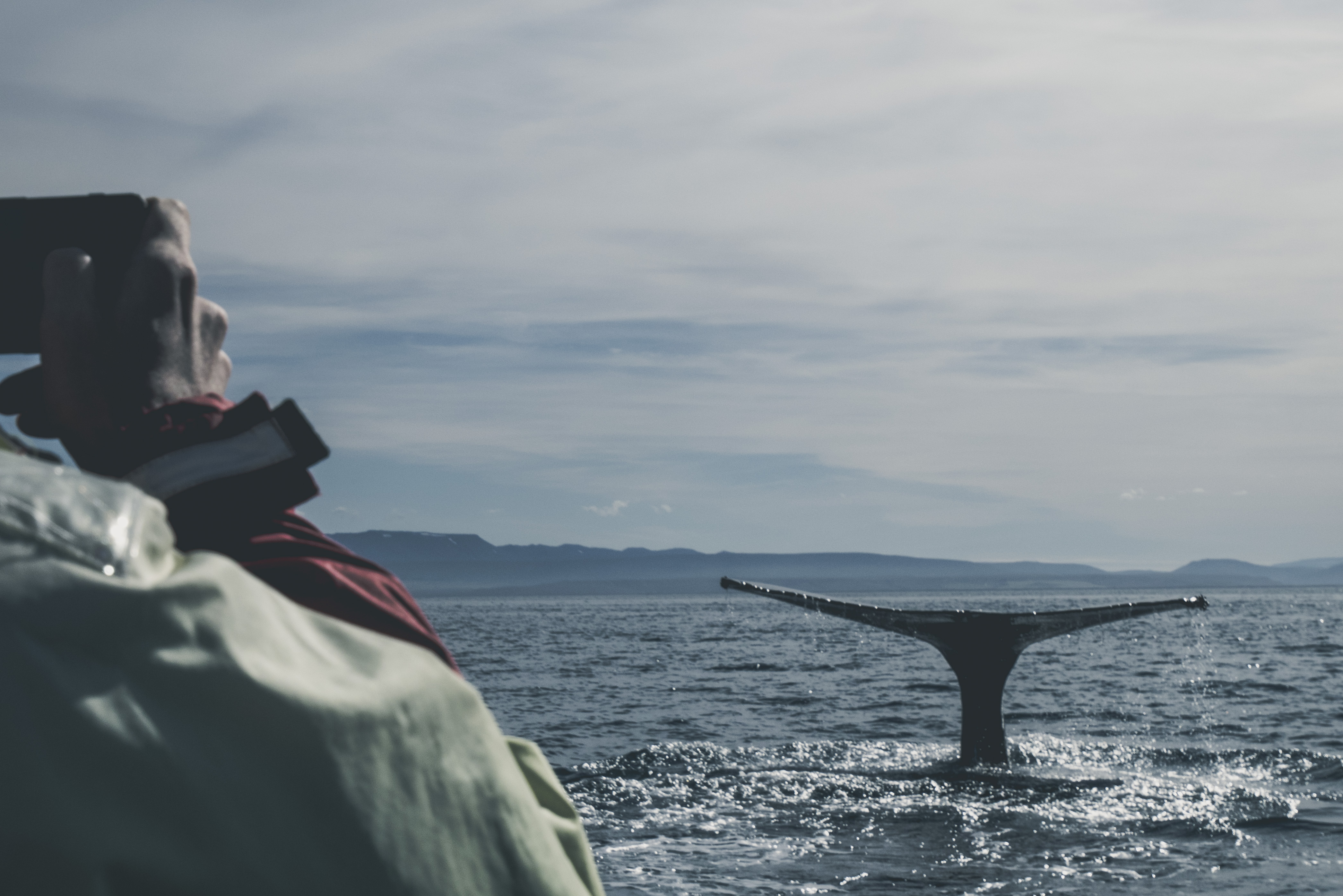
The drive from Ísafjörður to Akureyri is about 400 kilometres, or 5.5–6.5 hours of driving time. Treat it as a transfer day, stopping only briefly at Blönduós or Goðafoss. Two nights in Akureyri let you schedule whale watching in Húsavík or from the city harbour; the sea trip lasts about 2.5–3.5 hours, commonly costs 12,000–18,000 ISK for adults, and needs a morning that can be moved if conditions change. Spend one night at Mývatn and spread Hverir, Dimmuborgir and Hverfjall across 4–6 hours; do not force a drive back to Mývatn after disembarking from a whale-watching trip.
Nights 10–11: The Eastfjords and Egilsstaðir
From Mývatn to Egilsstaðir is about 175 kilometres and 2.5–3 hours; Goðafoss can be visited on the morning you leave the North. On day eleven, Route 1 takes you to Seyðisfjörður, about 27 kilometres and 40 minutes away. In fog, do not assign an exact arrival time for the Fjarðarheiði pass. If you add an Eastfjords RIB boat trip, allow about two hours and expect 22,000–35,000 ISK; staying one night by the harbour makes the following day’s return to the main route more sensible. If you only want to see the fjords, Egilsstaðir is more practical for supplies, Vök Baths and lower room rates.
Nights 12–14: South Coast, glaciers and departure
From Egilsstaðir to Höfn is about 245 kilometres and 3.5 hours; Jökulsárlón is another 80 kilometres and 1 hour away. The amphibian boat on Jökulsárlón takes about 35–40 minutes and commonly costs 7,000–9,000 ISK for adults; Zodiac trips last about 1 hour, cost more and have different age and weather requirements, so schedule the activity on a day with a movable morning. Spend night thirteen in Vík or Kirkjubæjarklaustur, separating Reynisfjara, Skógafoss and Seljalandsfoss; return to Reykjavík for the final night, or stay near KEF for an early flight, and allow at least 90 minutes to refuel, photograph and inspect the car before returning it.
How season, roads and accommodation change the answer
From June to August, daylight is long and most of Route 1 can follow the allocation above; Westfjords campsites and restaurants also offer more complete services. July rooms and activities sell out fastest, so secure the ferry, glacier activity and three Westfjords nights first. By May and mid-to-late September, campsites, museums and sailings are reduced, while rain and wind on Route 60 and Route 1 slow transfers; replacing them with three deeper South Coast nights is more dependable. From October to April, short daylight, ice and closures carry greater risk, so the Westfjords should not be treated as an extra loop on a fourteen-day trip; keep Vík, Jökulsárlón and Reykjavík as your three bases, and protect activities with flexible cancellation terms.
Choose accommodation around the day’s practical needs: in the Westfjords, use Patreksfjörður or Ísafjörður for supplies and activity meeting points; in the North, change rooms only once between Akureyri and Mývatn; if you are heading south the next day, Egilsstaðir gives you more options if the road plan changes than Seyðisfjörður. When comparing room prices, include breakfast, parking, a kitchen, laundry and the cancellation deadline; three platforms are comparable only when the date and room type match.
ICENAVI 14-NIGHT CALL
Give the weather one night, and the distant fjords a fair chance
The route is not about collecting the most pins. It is about giving every fixed ferry crossing, glacier activity and accommodation booking a realistic next stop when wind and rain intervene. Book the Westfjords ferry and glacier activity first, then use your accommodation bases to hold the direction; if the forecast turns, move the buffer night back onto the main route.
For a shorter version, see the 12-day Ring Road and Westfjords itinerary; for a main-route focus, compare the 10-day buffer-night plan and the seven-day summer pace. Filter activities by meeting point through the Iceland experiences directory, and compare accommodation on the accommodation decision page.
The most valuable thing to protect in a fourteen-day version is one removable night, not a schedule in which every night is fixed in advance. Make one booking a cancellable flex night: keep it in the west if Westfjords roads, the ferry and weather cooperate; move it back to the North, East or South if earlier wind or rain has already delayed the route. The point is to avoid several long catch-up drives after day eight simply to reach a pre-booked hotel. Flights, irreplaceable activities and a few transport departures are the real fixed points; the remaining accommodation should serve the route rather than lock it in place.
If a day has already accumulated delays, remove a side trip instead of extending the night drive. The real advantage of fourteen days is the ability to reroute.
More reading
Q&A | 14-day Ring Road and Westfjords
Can fourteen days cover the Westfjords properly?
In summer, yes, but allow at least three nights, a reliable ferry and one buffer night; in the shoulder season, remove remote side roads such as Látrabjarg.
How much driving time should I allow?
Three to five hours a day is more manageable; above five hours, schedule only short stops and no fixed activity.
Which day should hold the glacier activity?
Place it on a day when you are already staying near the South Coast, the night before Jökulsárlón or Skaftafell, so a cancellation does not force a cross-country chase.
Can I follow this route in winter?
It is not recommended. Westfjords passes, the ferry and short daylight amplify transfer risk; choose a winter South Coast and Reykjavík-based plan instead.
References
- Icelandic Road and Coastal Administration | road.is (road conditions).
- SafeTravel Iceland (safety alerts).
- Vegagerðin (road and ferry information).
- OpenStreetMap contributors (map base layer).