
ICENAVI · WINTER ROUTE FIT
Keep recoverable nights in the route
These scores cover only the factors that affect a post-closure decision.
Ísafjörður and Hólmavík both offer ways to turn back along the approach.
Mountain passes and sailing times turn theoretical driving time into a usable window.
A town base makes food, fuel and indoor alternatives easier to find.
Short daylight, crosswinds, snow and ice can compress usable time at once.
First work out which side of the Westfjords you are on
The Westfjords are shaped like fingers reaching into the sea. A problem on one fjord road does not mean the whole region is inaccessible, but the accommodation behind you, the activity ahead and the next fuel stop may no longer sit on one workable route. A map may show 100 kilometres; in winter, distance alone is not enough. Snow, fog and strong wind make narrow passing places slow to negotiate, and a gust can push a car door open. Taking out boots and coats wets the cabin, while a late arrival means dealing with heating and drying clothes.
Put the longest daily drive before midday and leave the afternoon for an unplanned stop, refuelling and changing a booking. In mid-December, daylight is short and valleys are already losing light in the afternoon; February and March are better, but they still do not support a summer timetable. A three-night itinerary that places the Westfjords in the middle of a Ring Road trip has almost no waiting time; four nights or more gives you one night to turn back or remain at the entrance. Before entering a long stretch of road, save the nearest supermarket, fuel station, toilet and cancellable accommodation address in an offline map.
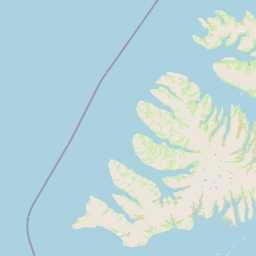
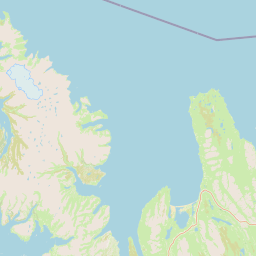
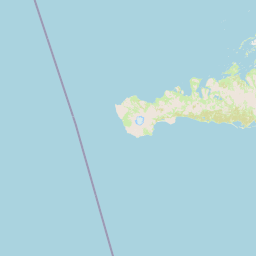
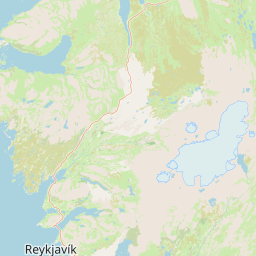 BrjánslækurBaldur ferryPatreksfjörðurSouthern baseÍsafjörðurNorthern town baseHólmavíkNorthern approach waiting point
Four bases, each absorbing a different delay
| Location | What it protects | Adjustment during a closure | Common mistake |
|---|---|---|---|
| Hólmavík | Checking Route 61 before turning into the Westfjords | Cancel the fjord entry and try again the next day | Treating it as if you have already reached Ísafjörður |
| Ísafjörður | Flights, activities, food and indoor alternatives | Keep a short northern outing; wait for clear weather before going south | Chasing the full loop south at any cost |
| Brjánslækur | The first night after leaving the Baldur ferry | Stay near the port if the ferry is delayed | Counting the time you leave the ferry as your check-in time |
| Patreksfjörður | Látrabjarg and Rauðasandur | Remain in town when the side roads close | Crossing the fjords again for one cliff-top sight |
If you have an 08:30 activity meeting the next day, stay near Ísafjörður harbour the night before, with a room and meeting point within a short drive or walking distance. Do not attach a fixed activity to a long arrival drive: a flight delay, car collection, food shopping and finding the room entrance all consume time. Southern headland accommodation can save a return journey, but check winter restaurant, supermarket and reception hours one by one rather than using a summer timetable.
Dynjandi works well as a half-day outing. There is still an uphill walk after parking, and wet snow can make it slow; if Route 60 or a side road is unsettled in the morning, do the town-based plan first and move the waterfall to a day when the road stays stable. Látrabjarg and Rauðasandur also need an early-return option: low sunlight, crosswinds and sea fog can change how far you can see. Returning to Patreksfjörður for food and a room is part of a complete winter plan.
On a ferry day, time the sailing and the road separately. A Baldur ticket solves only the sea crossing; after arriving at Brjánslækur, you still need to leave the ferry, rearrange luggage, find a toilet, refuel and check the signal before starting Route 60. If the ferry is delayed, check cancellable accommodation and road conditions before deciding whether to continue towards Dynjandi or remain at the entrance. Do not let a paid ferry ticket force you into night driving.
If tonight's room is non-refundable and tomorrow morning includes a fixed activity, pushing through a closure can lose the room cost, activity cost and a full day of driving at once. Compare the price difference for a cancellable room with one extra night, fuel and a vehicle space on the ferry. Set the rerouting threshold in three lines: if you have not crossed the main pass by 15:00, stop chasing sights; if the accommodation is more than two hours away and it is already dark, find the nearest room you can enter; if tomorrow's activity has a fixed check-in, complete the drive the night before. Spending more on a room that night is usually cheaper than waiting for a tow in snow and missing the activity.
Breakfast, fuel and charging are also rerouting resources. Hólmavík is useful for supplies before the long fjords; Ísafjörður brings laundry, supermarkets, a pool and dinner together; in the south, buy food during the day in the small towns. Do not assume every town has a late restaurant or an unattended fuel pump, especially at weekends and in the winter shoulder season. Keep a no-cook dinner, an insulated water bottle and a headlamp beside the passenger seat so you can change the plan immediately after a closure.
Before departure, save the road.is map, Icelandic Met Office forecast, SafeTravel information and rental-car company number as offline screenshots. A road-colour status shows the situation at that moment; it cannot predict a mountain pass two hours later. Four-wheel drive improves starting and climbing, but it cannot turn a closed road into a drivable one. Continue with how to choose Iceland rental-car insurance for insurance and rescue; if the entrance is still undecided, read whether to enter the Westfjords from the south or north.
ICENAVI · Keep a recoverable room available
Check Westfjords accommodation that fits your dates and entrance
Start with a flexible room, then shorten or extend the base as road conditions become clear.
See cancellable Westfjords accommodationCompare rates and check-in termsCheck rooms for your datesQ&A | Westfjords winter rerouting
Route 60 is closed. Should I take Route 61?
Check the status of the full stretch, the mountain-pass forecast and your arrival time first; if Route 61 still crosses unstable mountain roads, staying in Hólmavík is the more sensible choice.
Can I reach Patreksfjörður if the Baldur ferry is delayed?
Allow for leaving the ferry, collecting luggage, refuelling and the final check-in time. If any one of those is close to its deadline, treat Brjánslækur as your overnight endpoint.
Is Dynjandi worth reserving a full winter day for?
If it is the focus of the trip, allow half a day to a full day and stay locally for more stability; if it is an add-on to a Ring Road trip, remove it when the roads are unsettled.
Related reading
Choose your Westfjords entrance first
Westfjords destination guide
Enter from the south or north
Westfjords by bus and ferry without a car
More reading
Accommodation is a rerouting tool
Ísafjörður or Patreksfjörður
Hólmavík destination guide
Dynjandi by car or on a day tour