
The Eastfjords are not a straight chain of bays. Route 1 switches between the coast and the interior, while Routes 96 and 92 and the mountain road to Seyðisfjörður each have weather limits. A map may show a two-hour drive, but parking, photographs, buying food and waiting for fog to lift can turn it into half a day.
ICENAVI EASTFJORDS FIT
For one day in the Eastfjords, give the time to the bays or the exit?
Rated by route direction, weather, supplies and the next day's position.
Every fjord has different light, and dropping one stop often lets you see the day more fully.
You can travel from the southern approach to the north, but side roads quickly expand the driving time.
Small-town opening hours are limited, so lunch needs a plan.
Fog, snow and mountain passes can force a change to the coastal version.
Starting in Djúpivogur: see the harbour, then decide how far to go
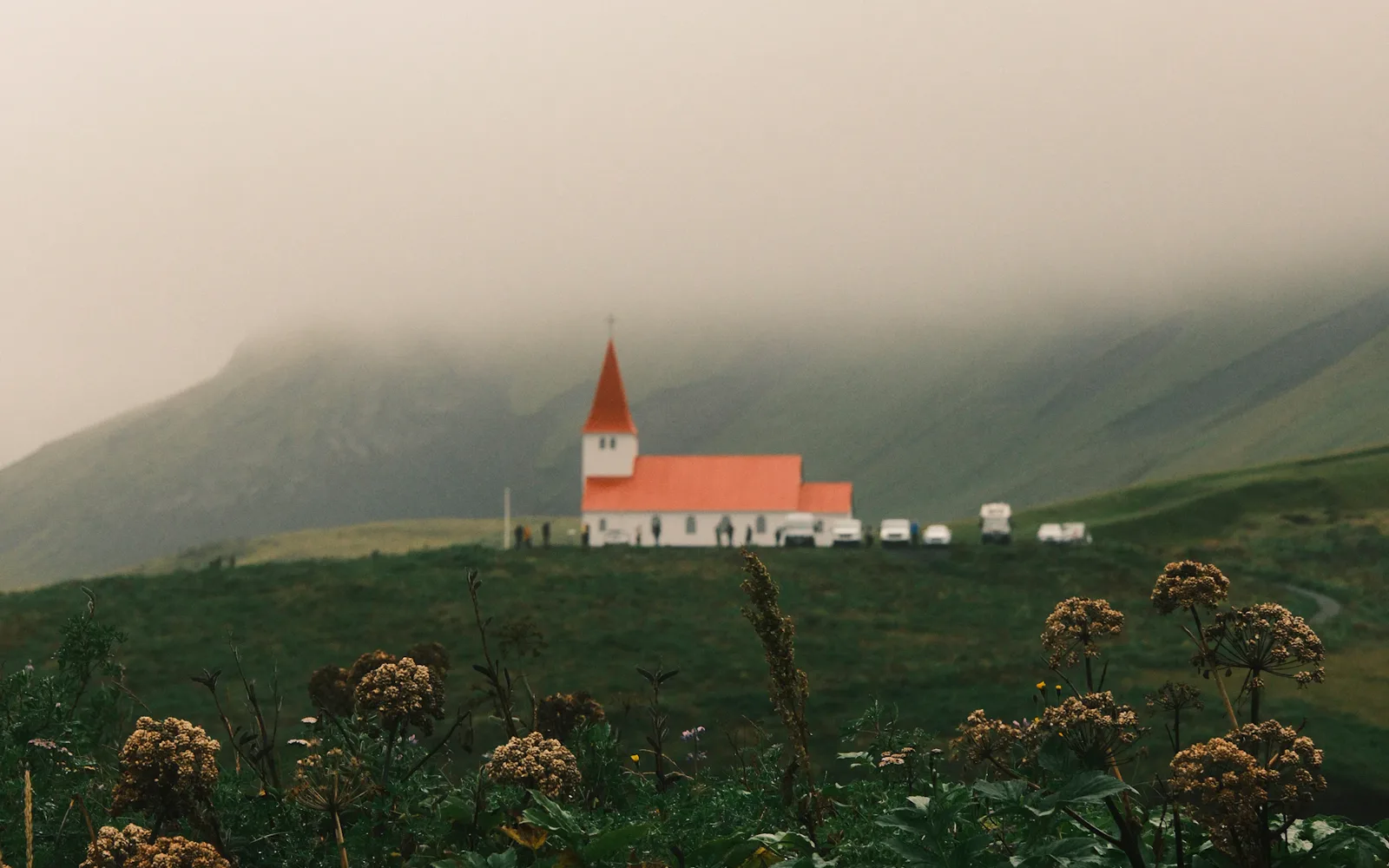
Djúpivogur works well as a short southern stop, with the harbour, stone collection and cafés close together; allow 45–75 minutes. Heading north on Route 1, viewpoints keep appearing along the coast. One quick photograph at each stop can turn half an hour into two hours. If you have come from Höfn the day before, this is a sensible first stop after breakfast, without immediately detouring into the most distant fjord.
Breiðdalsvík is a useful lunch and fuel point, as well as the place to choose between staying on the coast and returning inland. Services change with the season, so buying water and snacks before setting out is more reliable than expecting a restaurant at every bay. If you want Stöðvarfjörður or Fáskrúðsfjörður, choose one; adding both plus Seyðisfjörður turns the afternoon into a drive seen mostly through the windscreen.
Seyðisfjörður: worth crossing a mountain pass for
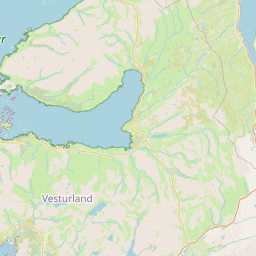
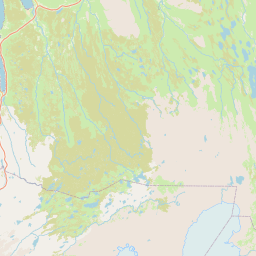
 DjúpivogurBreiðdalsvíkSeyðisfjörður
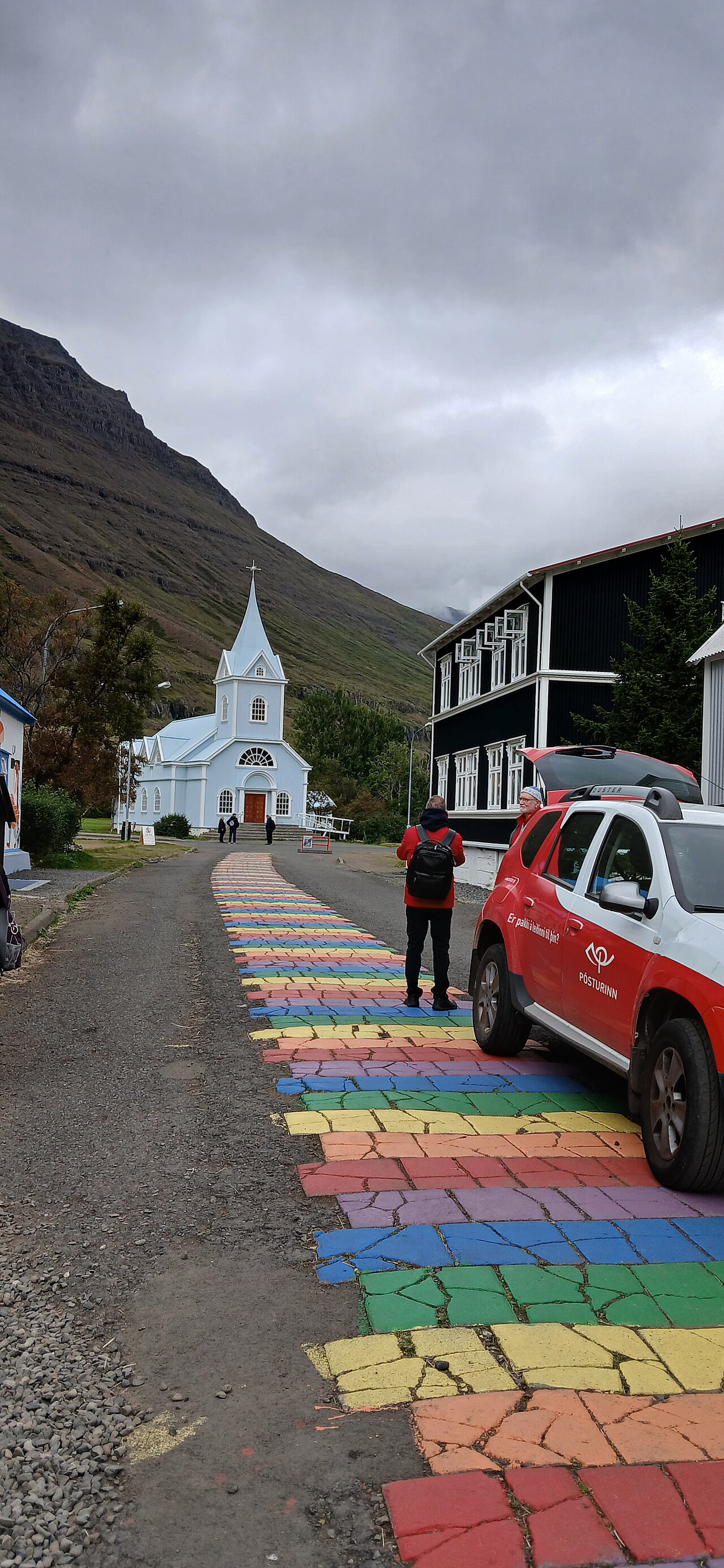
Reaching Seyðisfjörður from inland means crossing a mountain road. The final stretch is beautiful, but it is also where fog, snow and crosswinds most often slow progress. On a summer evening, allow one to two hours for Rainbow Street, the blue church and the harbour; in winter, finish the descent or check in before dark. A street photograph is not worth pushing the return into unfamiliar conditions.
If Seyðisfjörður is your finish, check dinner and parking in advance. It has fewer accommodation choices than Egilsstaðir, and a cancelled activity or restaurant leaves fewer town-sized alternatives. Start with the Seyðisfjörður destination guide, then compare Eastfjords accommodation; if Lake Mývatn is next, Egilsstaðir often saves driving time.
Time-cost table: fjord scenery still takes real minutes
| Section | Driving only | Realistic allowance | Recommendation |
|---|---|---|---|
| Djúpivogur → Breiðdalsvík | About 1 hour | 2–3 hours | Harbour, coastal viewpoints and lunch |
| Breiðdalsvík → Eastfjords town | About 1–2 hours | More than 3 hours | Choose one stop |
| Eastfjords → Seyðisfjörður | About 2 hours | 3–4 hours | Decide around fog, snow and the pass |
| Full coastal day | About 4 hours | 9–11 hours | Consider it only with long summer daylight |
Fuel for two people is about HK$250–500 (NT$1,000–2,000), while one night of accommodation is commonly about HK$1,700–3,800 (NT$6,900–15,500), depending on the date and room type. There is no single admission ticket that captures the cost of a full Eastfjords day; the real spend is an extra night, food and the driving distance added when weather sends you inland.
Seyðisfjörður or Egilsstaðir
| Base | Best for | What you give up |
|---|---|---|
| Seyðisfjörður | Coastal town, harbour walks and summer photography | Mountain-pass roads and fewer restaurant choices |
| Egilsstaðir | Northeast connections, winter, supplies and rental-car needs | You must drive back into the coastal towns |
| Breiðdalsvík | A slower southern approach and continuing through the fjords the next day | Fewer activities and dinner choices |
Work backwards from the next day's direction. For Lake Mývatn, Egilsstaðir removes a stretch of mountain driving; for a return south to Höfn, Breiðdalsvík or Djúpivogur is more efficient. Do not choose the prettiest town for the night only to drive a road you have already covered the next morning.
Winter roads and long summer daylight
From June to August, you can leave Djúpivogur for the afternoon and use the long daylight to reach Seyðisfjörður; from September to May, check Iceland road conditions and visibility at the pass first. If Route 92 or the coastal section slows down, remove the small-town detour before moving your base to Egilsstaðir. Save road updates, accommodation phone numbers and the next address offline so you can still adjust when the signal weakens.
The Eastfjords do not need a high stop count to justify the drive. One bay revealed when the fog lifts and a hot drink by the harbour may stay with you more than three consecutive car parks. If an activity is cancelled, replace it with a town walk or an inland hot spring; do not give up a safe finishing time to chase one more view.
Choose the version that matches the route
| Itinerary | Main route | Overnight |
|---|---|---|
| Summer southern approach in one day | Djúpivogur → Breiðdalsvík → one fjord | Seyðisfjörður |
| Steadier winter version | Djúpivogur → inland route → Egilsstaðir | Egilsstaðir |
| Two-day slower drive | Southern town → coastal fjords → Seyðisfjörður | One night inland and one by the coast |
To compare entering the Eastfjords from the south with the inland approach, read South or inland entry to the Eastfjords. With only one night, check the Eastfjords one-night base first, then place coastal detours on the day with the best light.
Stops should not be divided evenly
Every Eastfjords bay is worth seeing, but that does not mean you need to get out at each one. Djúpivogur suits supplies and a short walk, Breiðdalsvík suits lunch, and Seyðisfjörður suits a slow walk after check-in; add the smaller towns only when weather and time allow. If you give every stop a fixed 30 minutes, the afternoon disappears while you look for parking and the right angle. Mark one stop as “stop only if the light is good”; that is more useful than filling every minute.
Allow about 4–5 hours of driving for the day and 9–11 hours including stops. Fuel for two people is about HK$250–500 (NT$1,000–2,000), with food and accommodation extra. If Lake Mývatn is next, Egilsstaðir reduces the morning mountain drive; if Höfn is next, a southern town removes some backtracking. Each overnight choice should serve tomorrow's route, not only today's photographs.
Fog erases distant views, while sea wind makes short stops longer. Save Routes 1, 96 and 92 and the accommodation address offline before leaving, and keep a one-hour buffer for the final stretch; there is no need to continue deeper after dark for one more viewpoint.
If you are still on the coast in the afternoon, confirm whether the hotel can accept a late arrival. Some Eastfjords properties have limited reception hours. Put dinner and fuel at known points so you do not need another detour after arrival. These small arrangements directly affect whether you can leave north on time the next day.
With large luggage, take only a jacket and camera for a short stop instead of reopening the boot at every fjord. On wet or slippery roads, park safely before deciding whether to get out.
If you have only one night, put the most distant fjord in the morning and return towards your accommodation in the afternoon. Do not leave the final stop beyond the mountain pass. Keep water and dry clothing in the car so fog or snow can end the drive promptly.
Save a screenshot of the next address and the road update so you can return as planned when mountain signals are weak.
Check your fuel level and breakfast time before leaving, rather than discovering at the next town that a service is closed.
Find accommodation by the Eastfjords exit
Enter your dates, party size and next-day direction, then compare parking, breakfast and cancellation terms in Seyðisfjörður, Egilsstaðir and the southern approach.
When the roads slow down, cut stops by your return exit
Do not let reaching one fjord decide whether you keep driving. Check whether tonight's room is in Seyðisfjörður, Egilsstaðir or Höfn, then make the branch furthest from that room the first thing you can cut. Roadworks, wind, snow and oncoming traffic all count; use the day's road and weather information instead of an old summer drive time. Road information and weather warnings should shorten the route when they disagree with the plan, not push the missing stop into darkness.
Q&A | One-day drive from the southern Eastfjords
Can I drive from Djúpivogur to Seyðisfjörður in one day?
In summer, yes, if you choose only one or two towns; in winter, let the pass and visibility decide whether to stay in Egilsstaðir instead.
What is Breiðdalsvík useful for?
It is a lunch, supply and coast-or-inland decision point, rather than a place you need to treat as a long sightseeing stop.
How much time should I allow for one day in the Eastfjords?
Allow at least nine to eleven hours from the southern approach to the north; driving time alone does not include parking or weather delays.
Should I stay in Seyðisfjörður in winter?
You can if the coastal town is the priority, but Egilsstaðir offers more supplies and more room to change the route when conditions are unsettled.
Do I need a 4x4 for the Eastfjords?
Decide from the full itinerary and the road conditions on your departure date; seeing fjords alone does not automatically mean you need four-wheel drive.
Related reading
For help choosing a base, see the Eastfjords one-night base; to compare road entrances, read south or inland entry.
More reading
Seyðisfjörður, Djúpivogur, winter driving in the Eastfjords.
References
- Visit East Iceland (Eastfjords road and town information).
- South Iceland official visitor guide (southern approach information).
- OpenStreetMap contributors (base map for the location map).