
ICENAVI SLEEP FIT · SNÆFELLSNES
Break down what "cheap" asks you to do each night
The scores weigh sleep, roads, facilities, activity meeting points, weather flexibility and the next-day exit.
Long daylight and gear already in the car suit a north- or south-coast base for a slower day.
Heating, a bathroom and breakfast make an early cave tour or a wet, windy day easier to recover from.
Cold, wet equipment, short daylight and limited campsite service hours magnify every small delay.
Camping saves the room rate; list what it does not save
Snæfellsnes campsites commonly charge by person, vehicle or tent equipment, and what is available or open varies by location. Set the nightly campsite fee beside the hotel rate, then add sleeping bags, mats, a tent or camper-van rental, fuel, showers, campsite laundry, cooking supplies and the time needed to arrive early. For two people who already own complete gear, the gap can be substantial. If you are travelling from Hong Kong with a small car and basic travel sleeping bags, it narrows quickly.
If you plan to choose a campsite on the day, check its season, arrival policy and closing time first. Having all the tent gear with you does not mean a pitch will be available at night; in bad weather, keep a cancellable indoor backup.
Wet clothing is the cost most often missed. After coastal rain and wind, the tent fly, shoes, socks and waterproof trousers need somewhere to dry. A heated hotel room and bathroom let you finish that job before bed. If a campsite shower requires coins or a queue, driving elsewhere after an activity can take away the time you had planned for a town dinner. That is part of the accommodation decision, not a judgement about camping.
Two bases: a north-coast campsite and a south-coast hotel do different jobs
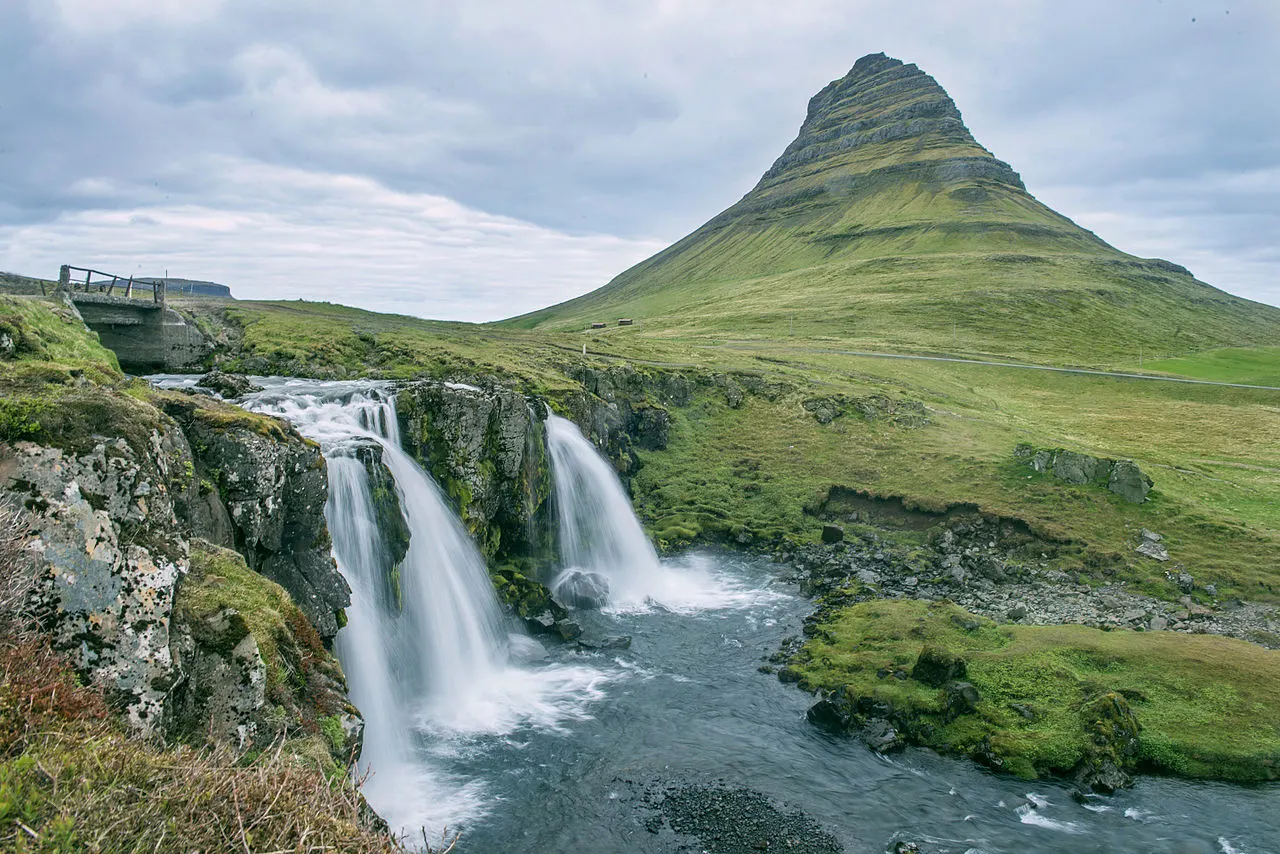
Grundarfjörður works well for placing Kirkjufell, Kirkjufellsfoss and the north-coast scenery at sunrise or sunset. At a campsite, confirm the parking space, ground conditions, wind shelter, distance to toilets and showers, kitchen opening hours and quiet-time rules. Do not judge a tent pitch by its straight-line distance to Kirkjufell: turns on Route 54, finding the entrance, packing up and morning traffic can turn ten minutes on a map into half an hour.
Arnarstapi is close to the coastal trail, Hellnar and Búðakirkja. A hotel or cabin earns its keep when you can change into dry clothes as soon as the walk ends. Start with a shorter section if needed; wind direction and slippery ground can change how long you stay out. Staying near the south coast means you can shorten the afternoon and return indoors instead of using the road as shelter. The Arnarstapi and Hellnar destination guide covers parking and both trail ends before you decide that a campsite is genuinely close.
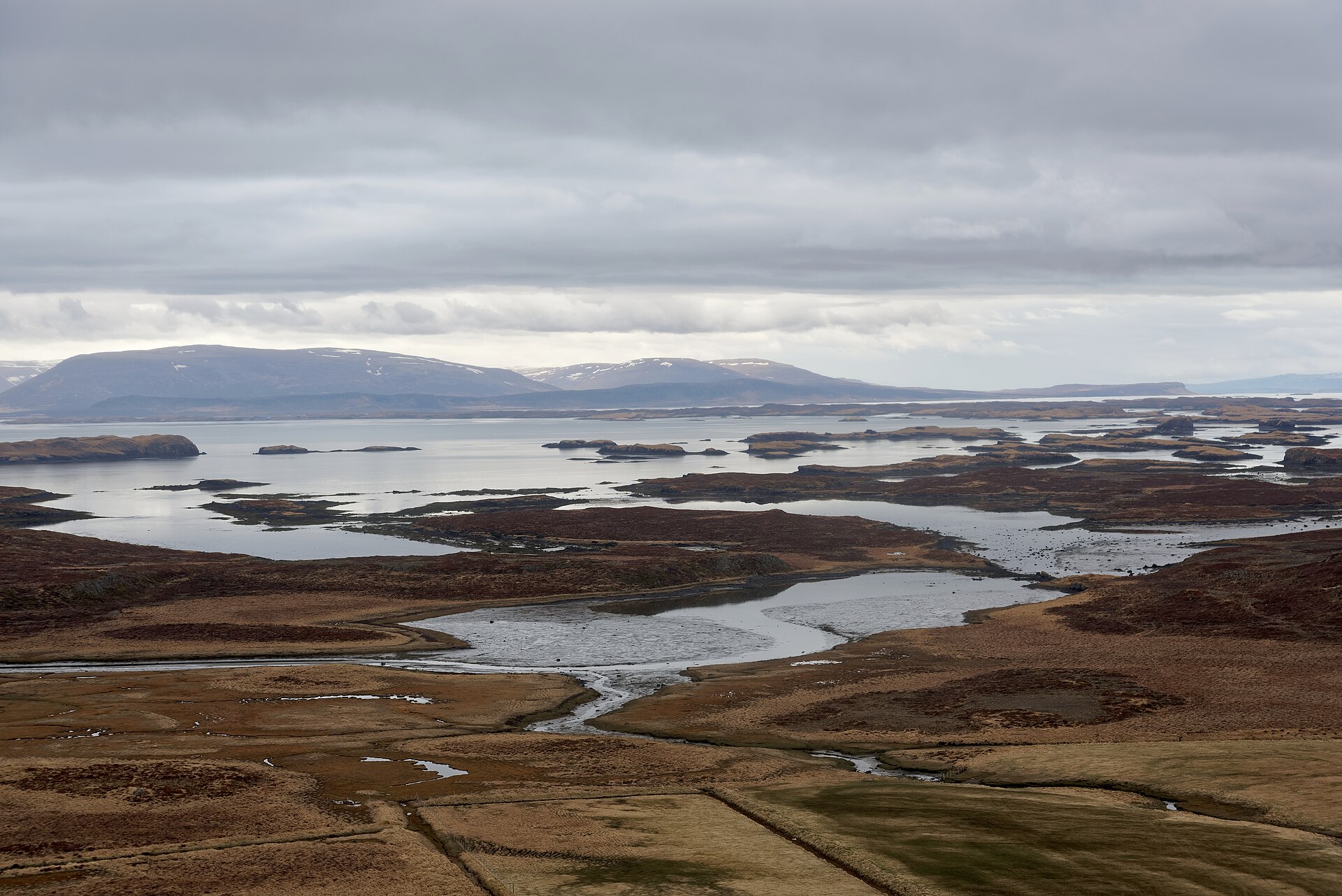
If you need the Baldur ferry across Breiðafjörður the next day, Stykkishólmur gives you another answer. Ferry check-in, vehicle capacity and waiting time cannot be offset by a low camping price; staying near the harbour the night before creates useful buffer. The Westfjords south or north entry comparison places the sailing and overland timings together.
The real time account for camping and hotels
| Task | Campsite | Hotel | Best fit |
|---|---|---|---|
| Arrival and packing | Set up, dry and secure gear; about 45-90 minutes | Park and collect the key; about 10-20 minutes | Choose a hotel for a late arrival or early start |
| Shower and cooking | Queue within opening hours and clean up yourself | Use the room; breakfast runs at set times | Choose a hotel if you dislike cold and damp or have children |
| Campsite fee / room rate | The gap is easier to create when two people own the gear | Costs more but includes heating and bathroom facilities | Compare the total cost, not the headline rate |
| Weather change | Allow for wet equipment and departure time | Wait for a break in the cloud indoors or cancel a distant stop | Choose a hotel for autumn or winter, photography or fixed activities |
Match the accommodation to the route: one, two or three nights
One night: Do not circle the peninsula to justify a cheaper campsite. Borgarnes to Grundarfjörður is about 90 km and normally takes about 1 hour 20 minutes, before supplies and parking. If you return to Reykjavík the following day, a north-coast hotel or cancellable room leaves the morning for Kirkjufell and gives you a clean exit via Route 54, rather than chasing the western end after packing up.
Two nights: In summer, with complete gear, stay at one campsite and use the first day for the north coast and the second for the south coast and western end, dropping the farthest headland according to the cloud. Work backwards from the Vatnshellir meeting point. Stay at the western end or in Arnarstapi the night before; do not put tent setup, a long transfer and a fixed departure in the same morning. The Vatnshellir lava cave activity guide covers duration, equipment and cancellation responsibility.
Three nights: Use two nights on the north coast and one on the south coast, or stay in one hotel and make short drives each day. The extra night is a weather buffer, not a reason to fill every sight. The three slow days in Snæfellsnes keeps the third day for another photograph, Búðakirkja or a cave. Campers should ask whether the campsite accepts a date change; hotel guests should check the cancellation deadline.
Season and vehicle type change the answer
In June to August, the midnight sun makes setting up and packing easier, but strong wind, driving rain and low temperatures remain possible. Sunlight does not mean a tent will be warm. From September to May, shorter daylight makes the surface, visibility and wind on Route 54 and 574 the first checks. A winter campsite shown on a map may not be open year-round, staffed or equipped in the same way. Check Iceland road conditions and SafeTravel on departure day before moving your booking to a cancellable hotel.
A small two-wheel-drive car is convenient between hotels but may not hold complete camping gear for two people. A camper van gives you space while adding exposure to crosswinds, parking limits and fuel use. In snow or strong wind on the western stretch of Route 574, vehicle confidence is no substitute for a current road update. If you want Vatnshellir, the coastal trail and Kirkjufell on one day, the accommodation location and activity meeting point matter more than one extra bed in the vehicle.
Before you pay or drive into a campsite, run this check
- Is the campsite genuinely open in your month, and does it take reservations or operate first-come, first-served?
- What does the fee include? Are people, vehicles, tents, electricity, showers, the kitchen and laundry charged separately?
- For wind or rain, do you have a cancellable hotel fallback, an indoor alternative and somewhere to dry clothes?
- How many kilometres separate your accommodation from the activity meeting point, and are the latest check-in and parking times in the day plan?
- Are you heading tomorrow morning to Kirkjufell, Arnarstapi, Stykkishólmur or Reykjavík? Does the exit direction make sense?
- When comparing hotels, do the three platforms show the same room type, breakfast, cancellation deadline and taxes?
Leave Reykjavík, resupply in Borgarnes and then split towards a north- or south-coast base. Compare camping and hotels for the same night, party size and cancellation terms, then include the campsite fee, bedding, fuel, showers, laundry, cooking and packing time. Kirkjufell, the coastal trail and Vatnshellir each bring different parking and check-in costs; when an activity has a fixed slot, sleep near its meeting point the night before. In strong wind or rain, the real cost of camping is often wet gear, drying and the time lost packing the next morning.
Base chosen; now check what is actually available
Compare Snæfellsnes stays for the same dates, then price the full campsite cost
These links are for accommodation searches. Fix the dates, party size, room type, breakfast, parking and cancellation terms before comparing the hotel total with campsite fees, equipment hire and shower costs. Prices and availability are set on the payment page.
Related reading
Snæfellsnes destination guideSnæfellsnes accommodation basesGrundarfjörður destinationPlan two or three more days
Two days and one night in SnæfellsnesThree slow days in SnæfellsnesWinter Snæfellsnes routeQ&A | Camping or a hotel in Snæfellsnes
Which month is best for camping in Snæfellsnes?
June to August brings longer daylight and makes it easier to find an open campsite, but wind and rain can still make a tent uncomfortable. Check the campsite and weather for your exact dates.
Is a campsite always cheaper than a hotel?
It is more likely to be cheaper when two people already have bedding and cooking gear. If you need to hire equipment or pay for electricity, showers and laundry, compare the total cost.
Can I stay at a campsite and join the lava-cave activity?
Yes, provided the drive to the meeting point, latest check-in, parking and packing time all have buffer. A hotel is usually steadier on a day with a fixed slot.
Can I use a summer campsite in winter?
Do not assume so. Campsites open seasonally, and their facilities and staff can differ. Confirm the official notice, then check the roads and wind.
For one night, should I choose a campsite or a hotel?
Choose a hotel for a late arrival, early departure, wind or rain, or incomplete gear. Consider a campsite when you have everything you need, can stay put and will keep activities in daylight.
References
- Visit West Iceland | Snæfellsnes (peninsula sights and town context).
- SafeTravel Iceland (wind, roads and departure-day safety updates).
- Umferðin (road conditions and closures).
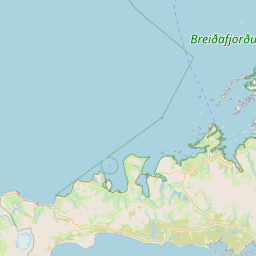
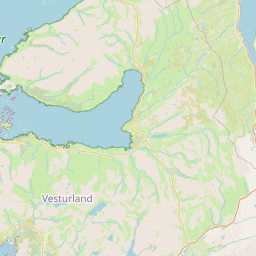
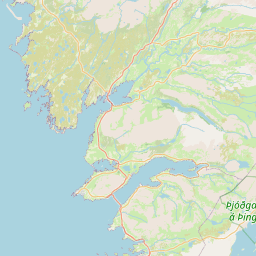
- OpenStreetMap contributors (base map for the location figure).