
ICENAVI SEASON CHECK
Choose the route you can still finish if the ferry shifts
The scores combine published trail-season information, ferry frequency and daylight patterns; they do not represent conditions at sea on a particular day.
Long daylight, less snow on the main trails, and the widest choice of activities and accommodation; it is also the period that fills earliest.
Some high ground can still hold snow, and passes may be slippery; it suits shorter routes and travellers comfortable with their equipment.
Fewer people and a better chance of seeing the northern lights at night, but daylight and ferry services contract together, so add a night after the return.
June: snow may remain on the passes, so keep the route modest
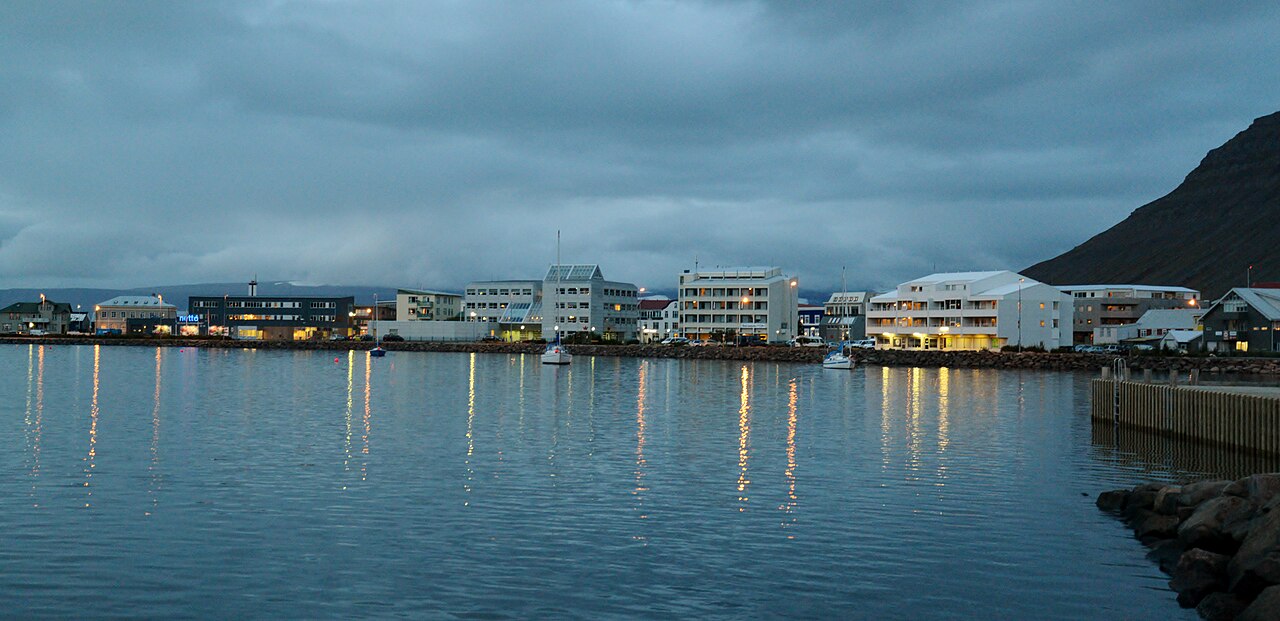
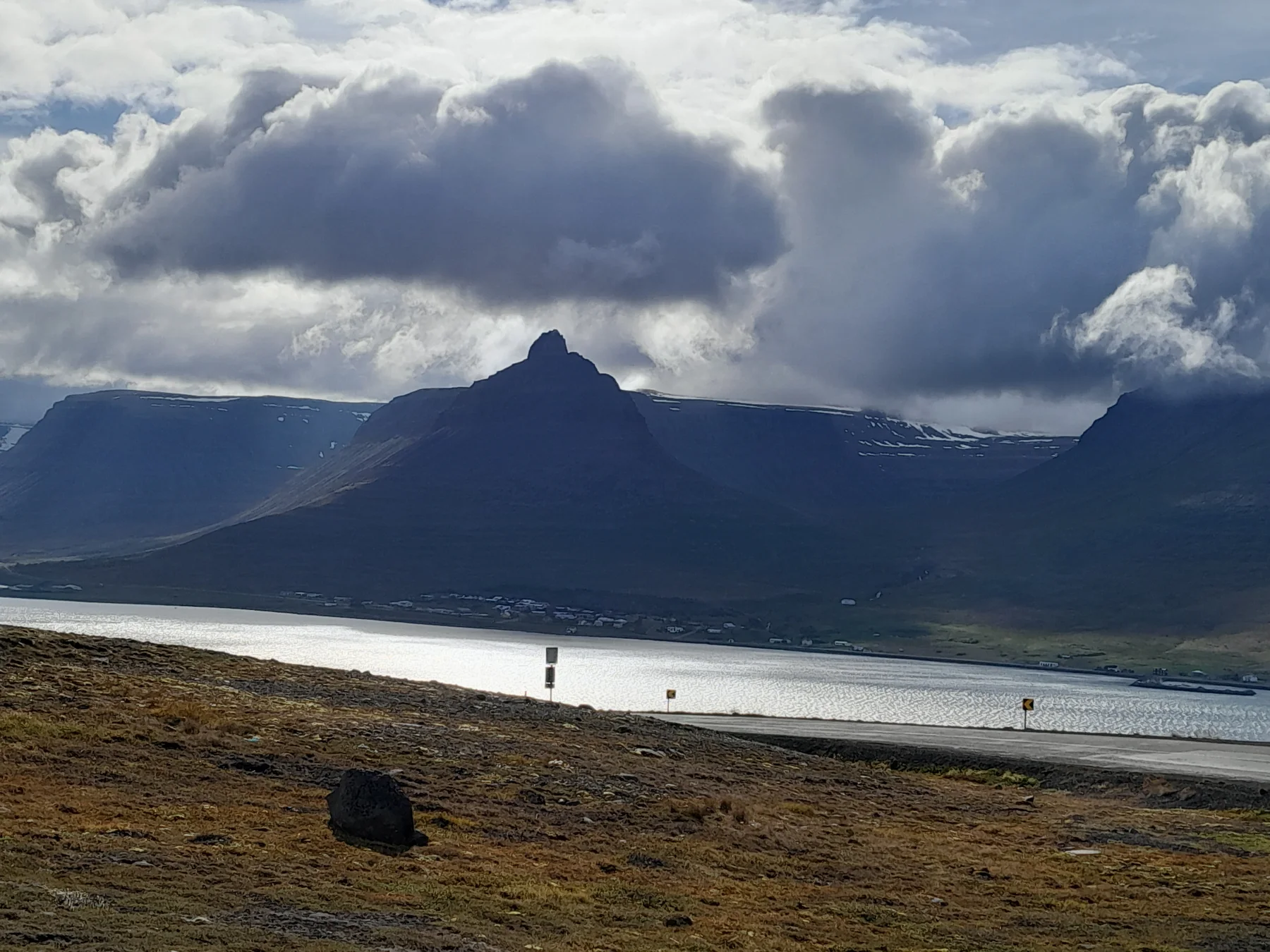
Official Westfjords trail information lists several Hornstrandir routes as accessible from June to September, but the 4–6-hour section from Hesteyri to Sæból can still hold snow into June, and there are no shops or supply points along the way. In photographs, June visitors often see green slopes; underfoot, thawing snow can mean mud. Waterproof shoes, trekking poles and a realistic shorter-route option matter more than a promise to reach the end.
Prepare daily drinking water and a spare meal for a ferry delay, and have each person carry a warm dry layer. Once you are on the trail, there is no shop or supply stop waiting to replace what you left behind.
Treat water, a full day's food, waterproof layers and the return sailing as one departure condition. If the ferry or trail plan changes, the reserve has no town supply run to repair the gap.
This month works well when Hesteyri's abandoned village, a short coastal section or one fjord is the main theme. Base yourself in Ísafjörður so ferry changes still leave you with a town fallback. If you plan to camp, check that the campsite is open and that drinking water and toilets are available; the reserve has no temporary supply stations, and pack weight quickly becomes walking time.
Late July to August: the safer boundary for a first full hike
Late July through August usually brings the longest daylight and most ferry departures, making it easier to place a long hike, seal watching and an overnight camp in one window. The West Tours 2026 timetable page warns that sailing times are estimates and that the captain may cancel for weather; even in summer, separate the return day from your next Westfjords road section. Do not treat the Hornstrandir ferry as inter-regional transport: a late return can consume dinner, check-in and the following day's trail.
August's cost is demand for people and beds. Rooms near Ísafjörður harbour, camping pitches and popular day trips fill early, so secure the ferry first and leave one night's accommodation before and after the trip. If you only want a 3–4-hour walk, August's premium may not be necessary; narrowing the activity focus can make mid-to-late June or early September better value.
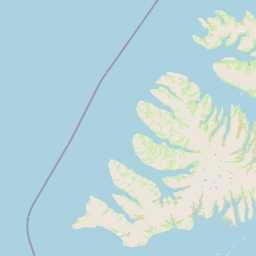
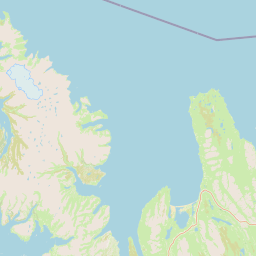
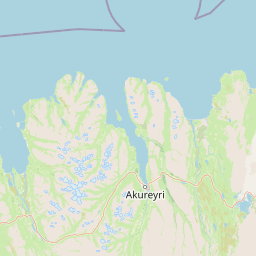
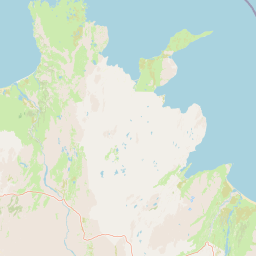
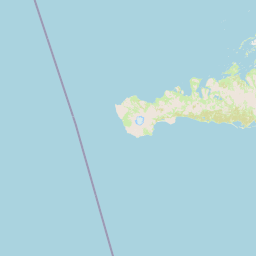
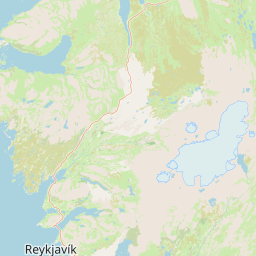
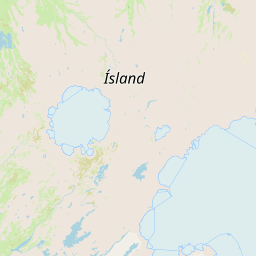
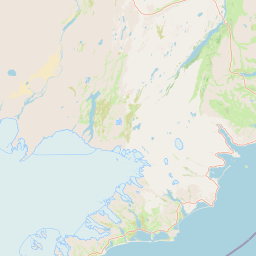 ÍsafjörðurJune to September departure harbourBolungarvíkAlternative ferry harbourHornvíkLanding point for long hikesHesteyriAbandoned village and short routes
September: quieter and darker, with a stronger case for one buffer night
Early September can still offer a hiking window, but daylight is shorter than in August and ferry services are often less frequent, so rough seas can affect the following night's accommodation sooner. The northern lights draw visitors into the dark, yet it is easy to forget that departure and return still happen in daylight; if you must drive for two hours after returning, the aurora is not a free extra. It changes sleep and safety planning.
September suits hikers who already know their pack and can accept a shortened route. Put Ísafjörður before and after the departure, with a cancellable room where possible. If the timetable changes, stay in town for the Maritime Museum, swimming pool and supplies, then continue towards Patreksfjörður the next day. That flexibility is more useful than locking the final night in a remote village.
Choose a month that your itinerary can actually complete
| Main purpose | Month | Accommodation plan | Cost to accept |
|---|---|---|---|
| First long hike | Late July to August | One night in Ísafjörður before and after | Beds and ferry tickets fill early |
| Short route, abandoned village, photography | Mid-to-late June | Stay in town; ferry changes are easier to handle | Mud, snow and colder sea wind |
| Quiet and a chance of aurora | Early September | Add one night after the return | Shorter daylight and fewer departures |
Before booking tickets, read Hornstrandir departure harbours and timetable planning, confirm your landing and return port, then use the day-trip or overnight comparison to decide how much pack and how many nights you need. If weather finally cancels the ferry, the post-cancellation rerouting process reconnects an Ísafjörður half-day, accommodation and the next-day exit into one timeline.
Lock the ferry and accommodation together, not the calendar alone
Once the month is set, choose the ferry first, then work backwards to check-in and check-out in Ísafjörður. For an early sailing, stay within walking distance of the harbour and leave the car in town; a midday sailing gives you room to put the previous night in Súðavík or Bolungarvík. That difference affects whether you can self-drive through the Westfjords; it is not simply a question of hotel distance.
Treat an overnight hike's return day as a separate task. A pack, sleeping bag, food and waterproof bags make the same route slower than a day hike, while the sailing can also take longer because of extra stops. If Route 60 or a bus is due the next day, stay in Ísafjörður after the return; moving accommodation to the next fjord adds sea-condition risk to mountain-road risk.
If seals, foxes or seabirds are part of the plan, the month only creates an opportunity; it cannot arrange the light or wind for you. Slopes begin turning green in June, trails are generally drier in August, and September brings longer dusk. The useful order is to decide how many hours you are willing to walk, then choose a month and landing point that fit. Short-route travellers can land at Hesteyri; save Hornvík for a full day on a long route.
The month answer changes for a day trip, overnight hike or photography
Day-trippers mainly need the outbound and return ferry to connect with the town. July and August offer more departure choices, which suits a first attempt. Overnight hikers must calculate the campsite, water, toilets and return day together; June snow and September cold add to the equipment load. Photographers need to consider damp, cloud and the direction of the evening sun; August does not necessarily produce one better photograph than June.
Before leaving Ísafjörður, keep one adjustable position in the plan for the harbour, the ferry operator and accommodation. An early sailing requires an early arrival at the meeting point. Harbour rooms may cost more, but they save the time spent finding parking and putting on kit before dawn; a midday sailing leaves breakfast and supplies in town. If the route continues north afterwards, do not force a drive to remote accommodation after the return. Keep fatigue and sea conditions within separate controllable limits.
Another September detail is the gradual end of the season for shops and campsites. Summer services shown online may not continue to the end of the month; when booking, check the check-in window, dinner service and whether there is somewhere to dry gear. If information is incomplete, use Ísafjörður as the base and keep a short route as the fallback rather than staking the night on a remote village without supplies.
Check sea conditions and the ferry operator's messages again the day before departure, and download an offline map to your phone. Without a signal, you still need to know the landing point, campsite and return direction. These checks cannot make the ferry sail, but they help turn a month choice into a day you can complete.
ICENAVI · MONTH CALL
Late July protects completion, September protects quiet, June protects flexibility
Choose late July to August for a first long hike; mid-to-late June is enough for short routes and local history; September's appeal needs to be paid for with extra accommodation buffer.
Q&A | When to visit Hornstrandir
Can I hike a long Hornstrandir route in June?
Some sections are possible, but snow, mud and meltwater add time. Shorten the route according to official trail information and the ferry operator's notice for the day.
Is there always a ferry in August?
August usually offers more choices, but that is not a guarantee. Sailing depends on sea conditions, and the captain may cancel or change the departure.
Is September worth it for the northern lights?
It can be, but the aurora appears at night while ferries and hikes still need daylight. Include the return-night accommodation and sleep in the calculation.
How many nights should I stay in Ísafjörður?
At minimum, put the night before departure near the harbour. For a long hike or a September trip, add another night after the return so a ferry delay does not press into the next section.
References
- Visit Westfjords | Hornstrandir Nature Reserve (access, visitor centre and reserve background).
- Westfjords Hiking Route | Hesteyri–Sæból (4–6 hours, June to September, snow and no-service notes).
- West Tours Ferry Schedules 2026 (departure harbours, timetable and weather cancellation decisions).
- SafeTravel Iceland (roads, weather and pre-departure checks).
- OpenStreetMap contributors (the real map base used in this article).