
ICENAVI · BOOKING GATE
A flight-search calendar cannot design the trip for you
Budget-airline calendars make Tuesday’s fare look irresistible, but they will not tell you that the flight lands with only two hours of daylight left, or that you must drive back to Keflavík before departure. Mark the daylight in which you can actually explore first; let the fare compete only inside that workable range.
Decision one: turn flight dates into usable daylight
Iceland itineraries often begin with one false assumption: a six-day ticket means six days of sightseeing. If you arrive in Keflavík (KEF) at night, that day usually covers immigration, bags, a rental-car pick-up or transfer, buying breakfast supplies and checking in. On an early departure day you must also reach the airport ahead of time; returning the car, refuelling and taking the shuttle use up the morning. Six calendar days may contain only four complete route days, and that is the number to compare with the South Coast or the Ring Road.
I first divide the schedule into three kinds of nights: the arrival night, movable route nights and a return buffer night. A Reykjavik or Keflavík arrival night earns its place by keeping you from driving on day one. A return buffer night near the airport or in the southwest leaves an exit if the weather turns on Route 1. The nights in between are what move the route towards Vík, Jökulsárlón or the north. The how many days to spend in Iceland guide helps establish the range; this article asks the extra question: is that range worth booking now?
| Calendar days on the ticket | Typical usable days | Directions it can support | Do not promise yet |
|---|---|---|---|
| 4 days, 3 nights | About 2 complete days | Reykjavík, the Golden Circle or the western South Coast | A Jökulsárlón return trip, the Ring Road |
| 6 days, 5 nights | About 4 complete days | A deeper South Coast trip, or a short summer Ring Road outline | Adding Snæfellsnes and a northern detour at the same time |
| 8 days, 7 nights | About 6 complete days | A more realistic version of the Route 1 main line | Treating the Westfjords as a convenient one-day add-on |
| 10 days or more | About 8 complete days | The Ring Road plus one detour or activity buffer | Every fjord, volcano and highland road in one trip |
Count the price by night as well. For two people, one extra night commonly adds a room, breakfast, parking, fuel and another day of car hire; cutting that night and forcing the last South Coast stop back to the airport may instead mean a dearer final room, an early taxi and change-of-plan risk. Rather than asking whether eight days is too long, I care more about whether the extra night sits somewhere that gives driving time back, such as between Höfn and Jökulsárlón, instead of repeating a night in Reykjavík and ending there.
Decision two: the month sets daylight and the route’s workload
Iceland has no four-season template that can be applied unchanged. In late June, long twilight still hangs around close to midnight, so South Coast sights can start later and long transfers are easier to place in bright hours. In December, daylight is short: popular waterfalls, black-sand beaches and ice-cave activities compete for the same light, and arriving late may leave you looking at a snowy car park. April and October sit between those extremes; daylight is growing or shrinking, while snow, rain and wind can take turns in a single day.
When choosing a month, write down the activity that is non-negotiable. Winter ice caves normally require a qualified guide, and the meeting time and location can anchor your accommodation around Skaftafell, Vík or the South Coast. The midnight sun needs longer daylight and a schedule that can start later. For puffins, the bird season and boat timetable matter more than temperature alone. The Iceland seasons hub leads to month-by-month routes, while weather forecasts and road decisions help you check the rerouting room most often overlooked after flights are booked.
| Travel window | What daylight changes in practice | Road and activity considerations | Best outline to book first |
|---|---|---|---|
| Winter: November to March | Short usable daylight; sightseeing days need an early start | Snow, wind and ice make drive times variable; leave room to move ice-cave and aurora plans | Reykjavík plus the South Coast, or one fixed activity base |
| Spring: April to May | Daylight stretches, but winter road conditions can linger | Mountain roads and the Highlands may not be open; Jökulsárlón and waterfalls can anchor the main route | The South Coast or west, checking roads day by day |
| Summer: June to August | Long daylight adds flexibility, but it does not remove fatigue | Car hire and rooms cost more; roadworks, campervans and activity demand cluster | Consider the Ring Road or Highlands only with enough nights |
| Autumn: September to October | Daylight shifts shorter, while evening activities become more possible | Wind and rain change quickly; winter activities gradually open or become restricted | The South Coast, Snæfellsnes or a Ring Road plan with a buffer |
The month also changes where hotel money does useful work. On a summer self-drive loop, a room near the sights can remove a pre-dawn backtrack. On a winter South Coast activity day, staying near Vík or Skaftafell cuts night driving and leaves half a day for a cancellation or change. That is the reason for a base: not whether the room looks attractive, but which part of the itinerary it gives back. For a night-by-night breakdown, see how Iceland accommodation nights divide the route.
Decision three: draw the driving boundary before deciding whether to hire a car throughout
A first Iceland trip does not have to choose between self-driving and never driving. A car earns its keep on stretches with sparse public transport, long distances between sights and places you want to stop. Spend several nights in Reykjavík without one, collect it for the Golden Circle or South Coast and drive east, then return to the southwest and hand it back before the final night. This mixed arrangement can cost less in hire, parking and pick-up time than leaving a car parked in the city for the whole trip.
Draw the self-drive boundary by asking, “Where will I wake up tomorrow?” With only four complete days, taking a car from the capital straight to Jökulsárlón and back lets Route 1 consume the time that should be spent at sights; stopping the boundary at Vík or Skaftafell gives the route a chance to work. With six to eight complete days, you can start discussing the Ring Road. If you want to add Mývatn, Húsavík or the Eastfjords, add nights first, not just another pin on the map. One base or changing hotels along the way puts the car and the luggage into the same decision.
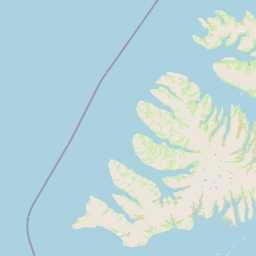
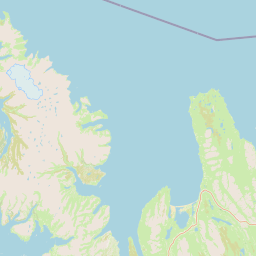
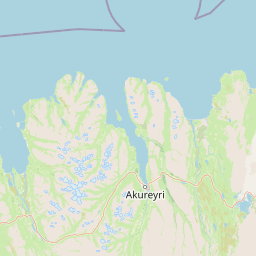
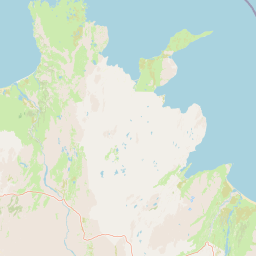
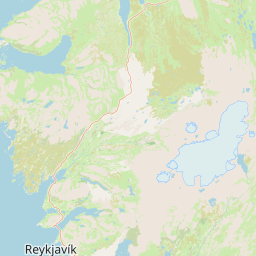
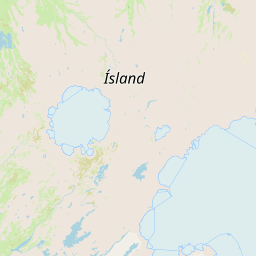
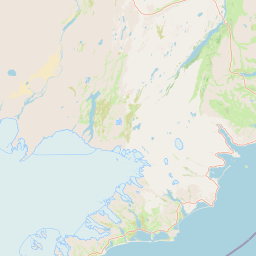
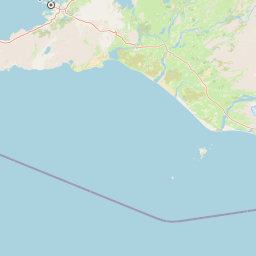
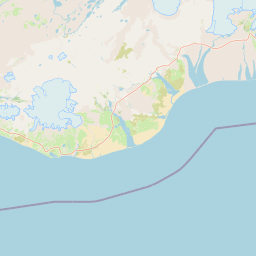
 ReykjavíkCity / car-pick-up gatewayVíkSouth Coast boundaryJökulsárlónFarthest South Coast pointMývatnNorthern extensionEgilsstaðirEastern accommodation point
Driving itself has a price. For two people, the car, fuel, parking and one room can be shared; for one person, hiring for the whole trip to avoid a single bus connection may not pay off. In winter, allow for slower speeds, snow clearing and temporary closures. In summer, allow for sight parking and advance booking at popular rooms. If you would rather not drive long distances, the five-to-seven-day no-car plan is a useful cross-check, especially if you would rather spend the money on a day tour or fixed experience.
Read the three decisions together: one ticket can throw all three off course
Take a very cheap late flight in November. It may leave only sleep on the first night, followed by short daylight and icy roads the next day; with just five nights, a deep South Coast trip then has to shrink. A more expensive early flight in July may give the first daylight to the Golden Circle and let you sleep two nights in Vík. This is not an argument for chasing the expensive fare. Put the fare difference beside the cost of losing a mid-route room, adding a backtrack or changing one booking.
My final check follows this order: write the number of complete daylight days, list the must-do activities and their latest meeting times, then check that month’s daylight and road window. Draw each night’s endpoint on the map. Open the car-hire calendar last. If a day requires “land and drive for three hours, join an activity early the next morning, then drive back that evening”, the problem is not an itinerary detail; the flight date and driving boundary are not matched.
ICENAVI · BOOKING TEST
If you cannot write these three sentences before booking, pause
How many daylight days can I genuinely use for sightseeing? Which activity matters most in this month? Which stretch of low-value road should the car save me? Once you can answer all three, start comparing flights. If you cannot, return to the Iceland itinerary hub and set the outline first; that is usually cheaper than grabbing a low fare that breaks the trip.
After booking, lock accommodation before building the sights list
Once flight times are fixed, the first and final nights have a job. A late arrival can sleep in Keflavík or Reykjavík; if you are heading south the next day, a southwest base reduces the morning drive through the city to collect the car. On a South Coast activity day, Vík places Reynisfjara, Skógafoss or an ice-cave meeting point within a shorter drive. Heading east to Jökulsárlón, decide whether the day should finish around Höfn or the glacier lagoon. Every hotel should answer to one morning and one transfer it saves; otherwise it is just a room name substituted for a map pin.
If you want a day tour on a car-free day, stay near its meeting point rather than choosing by region name alone. If you are driving throughout, check parking, supplies, the next day’s direction and whether bad weather lets you stop early. The Iceland hotels hub can filter by destination; fixing the route before browsing individual hotels creates fewer backtracks than working backwards from hotel rankings.
Q&A | Three decisions before buying Iceland flights
How many days should a first Iceland trip be?
Look at complete daylight days rather than calendar days. Four days and three nights usually suit Reykjavík, the Golden Circle or the western South Coast; eight days and seven nights give the Ring Road more room to work.
Can I book a winter flight before deciding whether to drive?
Yes, but leave rerouting and buffer nights, and put fixed activities away from arrival and departure. Winter roads and daylight directly change the distance that is practical each day.
Is the cheapest month always the best month for flights?
Not necessarily. Compare the fare with daylight, accommodation, car hire, activities and an extra mid-route night; a cheap date that removes one complete day may cost more overall.
Do I need to hire a car for the whole trip?
Not necessarily. Go without a car in the city, then collect one for the South Coast or remote stretches. If you do not want long drives, fixed transfers or day tours can fill the transport gap.
Should I book activities or hotels first after buying flights?
Lock the first night, last night and fixed meeting days, then place the middle nights around the activity locations. That leaves nights you can recover if an activity is cancelled or the weather changes the route.
References
- Safetravel Iceland (pre-departure road and weather safety information).
- Icelandic Road and Coastal Administration (road conditions and closure information).
- Timeanddate | Reykjavík sunrise and sunset (check the daylight window by date).
- OpenStreetMap contributors (the map base used in this article).