
Iceland ice cave photography:
Which tour time leaves room for light?
Practical call: Treat the ice cave as a half-day subject, stay near the meeting point the night before and allow 15–20 minutes for check-in and the walk outside the cave. That protects a usable shooting window; an early departure does not promise fewer people, and an afternoon tour is not automatically bluer. Natural cave conditions, weather, group size and the guide’s safety plan can all change the scene, so keep the next stay or a fallback activity workable.
ACTIVITY DECISION · ICE CAVE PHOTOGRAPHY
A beautiful blue-ice photograph can make the cave look permanent. It is not. The season, weather, ice conditions, check-in queue and other groups all affect the view you get after the walk. Choose a tour time around the parts of the shooting day you can actually protect.
ICENAVI · ICE-CAVE PHOTO TIMING
Put the shooting window back into the meeting point, stay and weather plan
These scores weigh light variability, check-in and walking time, natural ice conditions, group interference, gear load and the room left for a backup after cancellation. They do not guarantee a particular cave, light or empty composition. Recheck the product's times, meeting point, season and cancellation rules on the payment page.
A time slot becomes real shooting time only when check-in, walking, time inside, companions and the next night's stay all have room.
An early tour can leave route buffer, while an afternoon departure may connect more easily to a stay. Neither alone promises bluer ice or fewer people.
Beyond the 2–3-hour activity, allow for check-in, the Super Jeep, 15–20 minutes over uneven ground and finding parking.
Wall thickness, meltwater, the entrance, cloud cover and the safe route can all change the frame. A photograph is a style reference, not a promised result.
Batteries, dry bags, acclimatisation and grippy soles matter more than one extra lens. In a group, accept taking turns and never block the route or touch the ice.
If the tour is cancelled or the cave changes, the lagoon, beach, boat trip or overnight stay must still work. Do not pack the day so tightly that the photography theme has no recovery space.
The three seconds when a photograph lies most easily
On your phone you see an empty corner of a cave. On arrival, it may be another cave, another entrance, or simply a shorter route chosen by the guide for safety. That is how natural ice caves work, not a failure by the operator. How to choose an ice cave tour deals first with season, meeting point and cancellation; this page separates the photographer's question: will I actually have time to shoot?
| What the photo shows | What may change on site | What you can control before departure | What should not be promised |
|---|---|---|---|
| Translucent blue ice | Wall thickness, sky, snow, meltwater and the angle of incoming light | Choose the date, carry spare batteries and leave unrushed time inside the cave | That the named cave will show the same shade of blue |
| An empty composition | Other groups, guide flow, entry order and safe stopping time | Check group size, tell the guide you want to photograph and accept taking turns | That an early tour will have no one else in it |
| Flat ground near the entrance | Ice, loose stones, slopes, sole grip and the actual walking distance | Wear ankle-supporting shoes and confirm the shoe-size and gear list | That a camera setup can be placed anywhere |
Jökulsárlón ice caves: early, midday or afternoon light is not automatically bluer
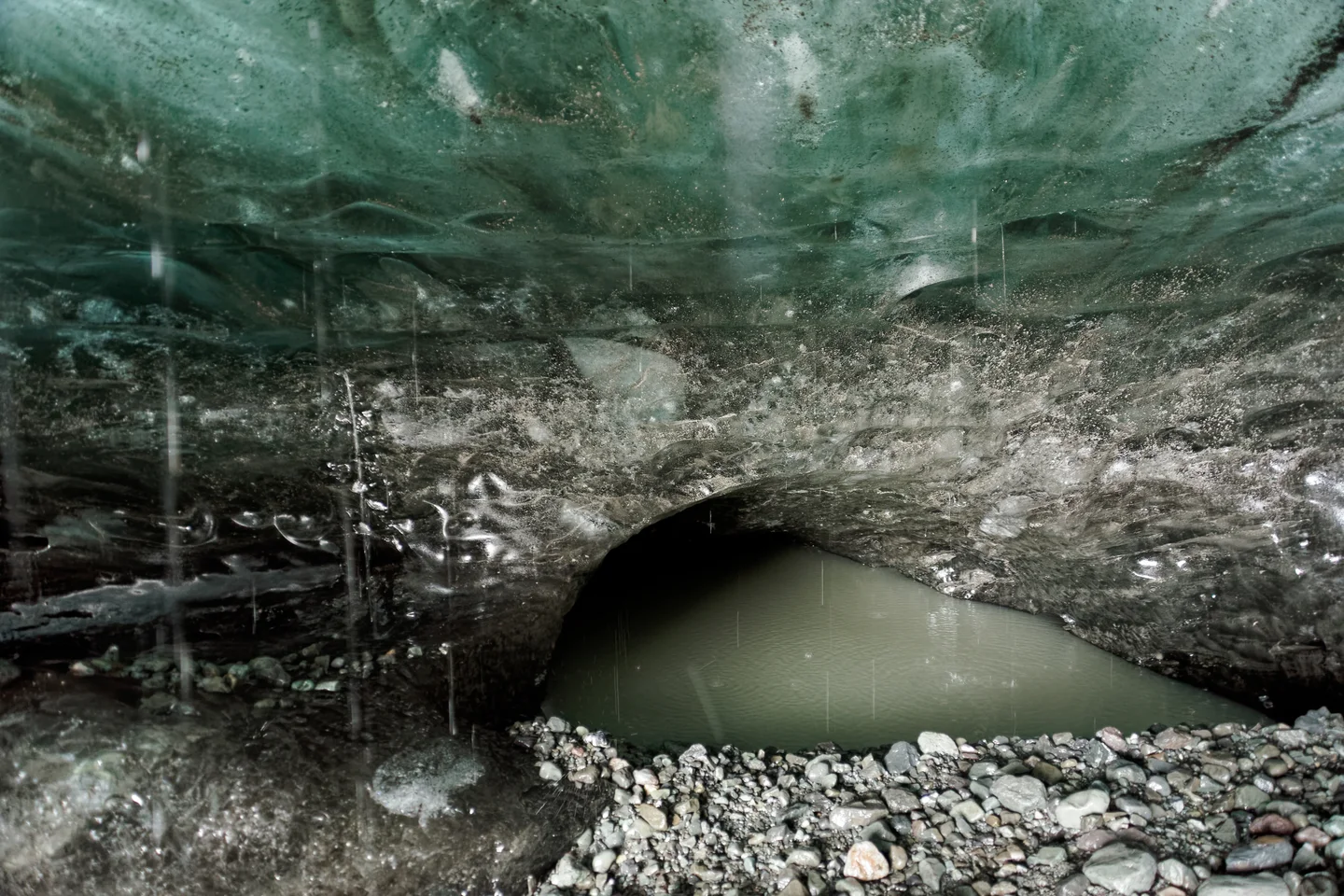
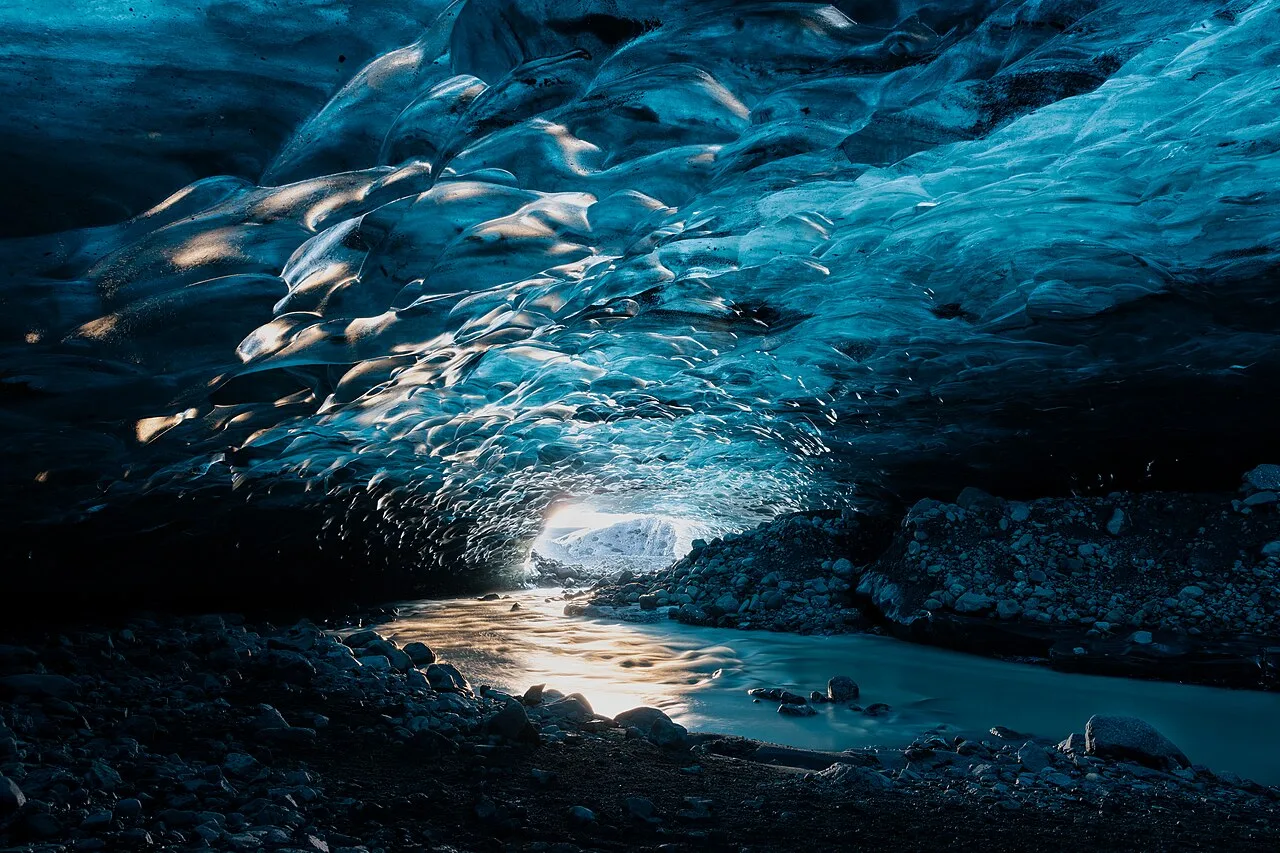
There is no universal "golden hour" formula inside an ice cave. Natural light depends on the entrance, the cave's direction and the day's cloud cover. An earlier start can create route buffer, but it will not clear a crowd. An afternoon tour may connect more easily to a hotel or a shore attraction, while winter's short daylight makes the return and the next drive more sensitive. The table below ranks the work involved in shooting, not the beauty of the light.
| Timing approach | Best suited to | The cost | Useful arrangement |
|---|---|---|---|
| Earlier meeting | People making the cave the day's subject and wanting time for several angles | The previous night must be near the meeting point, with an early breakfast and departure | Stay around Skaftafell/Jökulsárlón the previous night and leave only one removable stop afterwards |
| Midday departure | People who want to see the lagoon first, or companions who need a slower morning | A popular slot is not necessarily quiet, and the shooting window may overlap with other groups | Finish parking, check-in and the bathroom stop first, then tell the guide you are photographing rather than rushing through |
| Later afternoon / later in spring | Longer daylight and travellers staying on the southeast coast afterwards | Weather or ice can affect the return, so you cannot also promise several fixed sights | Make Diamond Beach or dinner the only follow-up task; do not push the Höfn check-in to the last minute |
If you are making a same-day return from Reykjavík, more than four and a half hours of ideal driving, road buffer and parking will consume the useful photography time first. In that case, taking an earlier departure is usually not the answer. The accommodation nights guide separates arrival, the South Coast and the departure night; once Jökulsárlón photography is fixed, let the bed preserve the light rather than asking the camera to recover lost sleep.
Inside the camera bag, the useful item is a backup plan
The hardest part inside an ice cave is often not lacking a wide lens. It is condensation when the camera moves from cold air into a warmer vehicle, a battery that suddenly drops, or missing the guide's safety demonstration because you were protecting your gear. Treat your equipment like passengers who need managing; that is more reliable than carrying every lens.
| Task | Minimum workable approach | Why it helps | Still confirm with the operator |
|---|---|---|---|
| Water and moisture | Keep the camera in a dry bag and let it warm inside the bag after leaving the cave | Reduces condensation and splashes during the temperature change | Whether a tripod can be used inside and whether a backpack cover is needed |
| Battery power | Carry a full primary battery and a spare kept warm against your body | Cold can make the battery indicator fall faster than usual | Whether there is a safe place to retrieve equipment during the activity |
| Composition | Prepare one wide-angle view, one human-scale frame and one detail angle | You spend less time standing on the ice while changing settings | The cave light, stopping positions and guide instructions |
| People and nature | Do not touch the ice, leave the marked route or block other visitors | A good photograph should not damage ice or delay the group | The day's safety boundaries and entry order |
One real map: choosing the light decides where you sleep
Ice cave photography is not a single dot on a map. Reykjavík is the long-distance starting point, Vík sits mid-way along the South Coast, Skaftafell and Jökulsárlón play different meeting and stay roles, and Höfn is the eastbound exit after the activity. The map places these public locations in one direction to make one point clear: if your product meets at Jökulsárlón, staying in Vík the night before does not necessarily mean you are nearby.
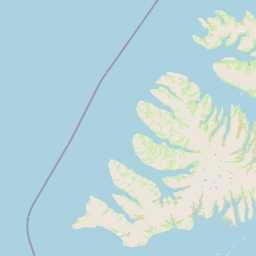
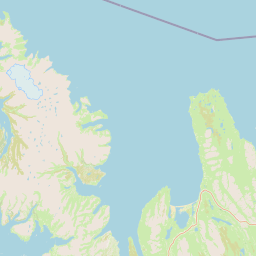
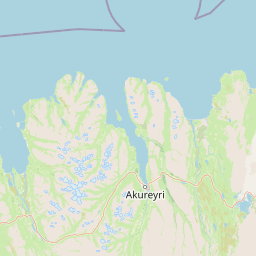
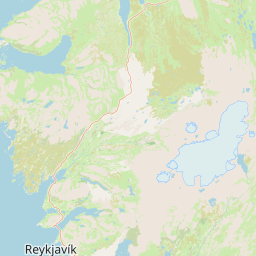
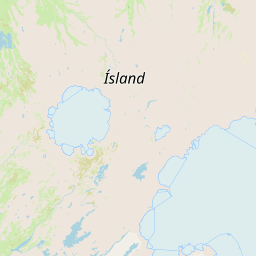
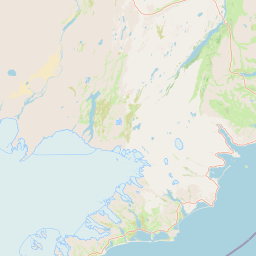
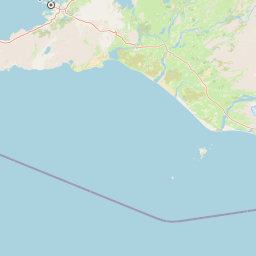
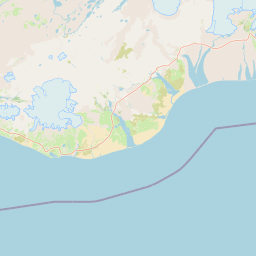
(Reykjavík)Long-distance startVík (Vík)South Coast midpointSkaftafellGlacier / photographyJökulsárlónNatural ice cave meetingHöfn (Höfn)Eastbound exit
Three photography itineraries: which fallback will you keep?
| Version | How it works | What you gain | What you give up |
|---|---|---|---|
| Photography-first day | Stay near the meeting point the previous night; keep only the lagoon or one short stop after the cave | More room to change angles, organise gear and wait for light | Several sights and long transfers on the same day |
| South Coast day | Treat the cave as a fixed activity, with the road and next stay decided first | A fuller route and shore sights that still work if the cave is cancelled | You cannot demand an empty composition at every corner |
| Group day | Agree each person's shooting time in advance; the guide's instructions always come first | Companions do not wait outside, and the pace is more comfortable | Gear and composition cannot follow one person's rhythm exactly |
Does this time slot leave room to photograph?
The timing check uses five measures, each scored from 0 to 5: control over the schedule, variability of cave light, group-interference risk, gear load and room for a backup after cancellation. A higher score does not promise a beautiful frame; it means the itinerary has more room for a natural ice cave’s uncertainty.
| Situation | Timing margin | Why | Next decision |
|---|---|---|---|
| Eight days or more, with the cave as the theme | 4.5/5 | You can stay near the meeting point and leave the afternoon open | Choose cancellable accommodation and keep one night for weather |
| Five-day South Coast trip, still driving to Höfn | 3/5 | Driving and check-in compress the time available to pack away the camera | Ask which stop can be removed; do not only chase the earliest departure |
| Travelling with someone who does not take photographs | 3/5 | Your wait becomes their cold and fatigue | Treat the cave as a shared activity and use a window everyone can share |
| Phone only, wanting one keepsake image | 4/5 | Less gear makes it easier to follow the safety and group rhythm | Choose transport and accommodation first; do not pay extra for gear |
Once Jökulsárlón is fixed, the next question is not "which photograph will be bluest?" but whether the boat, lagoon and cave belong on the same day. The Jökulsárlón amphibian boat and Zodiac guide puts check-in and departure into the same afternoon; if the activity is cancelled, the what to rebook after a cancellation guide handles photography alternatives beyond the refund, so one non-refundable room does not become useless.
Ten questions before payment: turn "I want to shoot" into "I can do this"
- Is the actual meeting point Vík, Skaftafell or Jökulsárlón?
- Can you arrive 15–20 minutes before the required time and still allow for parking and finding the desk?
- Does the road from the previous night's hotel leave enough winter buffer?
- Does the total time include the Super Jeep, equipment, walking and safety briefing?
- Have minimum age, shoe size, walking ability and pregnancy restrictions been checked for each traveller?
- Does the product explain that natural caves change every year and that the cave in the photos is not guaranteed?
- Can you photograph without blocking the route or touching the ice?
- If the camera fogs or the battery dies, will your companions still feel the half-day was worthwhile?
- Will you still need to reach Diamond Beach, dinner, Höfn or another fixed activity afterwards?
- If weather or ice cancels the activity, who handles the refund, rescheduling, accommodation and backup sight?
ICENAVI · PHOTO DAY DECISION
Timing is not a filter; it is the space you give the photograph.
A natural ice cave has no composition you can lock in advance. Reaching it safely, accepting that the cave may change, keeping companions comfortable and still having time to pack the camera away: that is a successful photography day.
Once the conditions work, compare products at the same meeting area
These four entrances point to checked ice cave products around Jökulsárlón and the glacier lagoon. They can help you compare dates, total duration and cancellation terms, but they do not guarantee the same cave, the same light or an empty composition. Compare the same traveller count, date and meeting conditions first; otherwise a platform price difference can look like a photography-quality difference.
References
- Visit Iceland | Ice-Cave Exploration (the ice cave season usually runs from November to May and depends on temperature and weather).
- Iceguide | Crystal Blue Ice Cave Tour (October to April, 2–3 hours, departure times, early arrival, meeting point and changing cave conditions; recheck for your date).
- Arctic Adventures | Crystal Ice Cave Tour (October to April, 2–3 hours, about 15–20 minutes over uneven ground, equipment and no guaranteed photograph).
- Arctic Adventures | Skaftafell Ice Cave Tour & Glacier Hike (Skaftafell meeting point, walking and changing natural ice cave appearance).
- © OpenStreetMap contributors (base map and public location data for the direction map).
- Hero image: Eric Kilby / Wikimedia Commons, CC BY-SA 2.0; resized, compressed to WebP and labelled by this site. The image does not represent a specific cave, date, light, group or safety condition.
Compiled 5 September 2026. Cave conditions, light, weather, roads, meeting points, walking, age limits, availability and cancellation terms can change; use the specified product page, activity voucher and official information for your departure date before payment.
Q&A | Questions to settle before departure
Should ice cave photographers choose the earliest time?
Not automatically. Check the meeting point, daylight, time inside the cave and the next day's route first. An early departure may preserve the afternoon, but low-angle light does not guarantee an ideal cave scene.
Is a tripod worth taking?
Check the operator's gear rules, the walking surface and what your companions can accept. More equipment creates more friction at check-in and getting in and out of the vehicle.
References
Recheck the ice cave season, meeting point, gear rules, weather and cancellation terms for the departure date; the official sources listed in the article remain the reference set.