
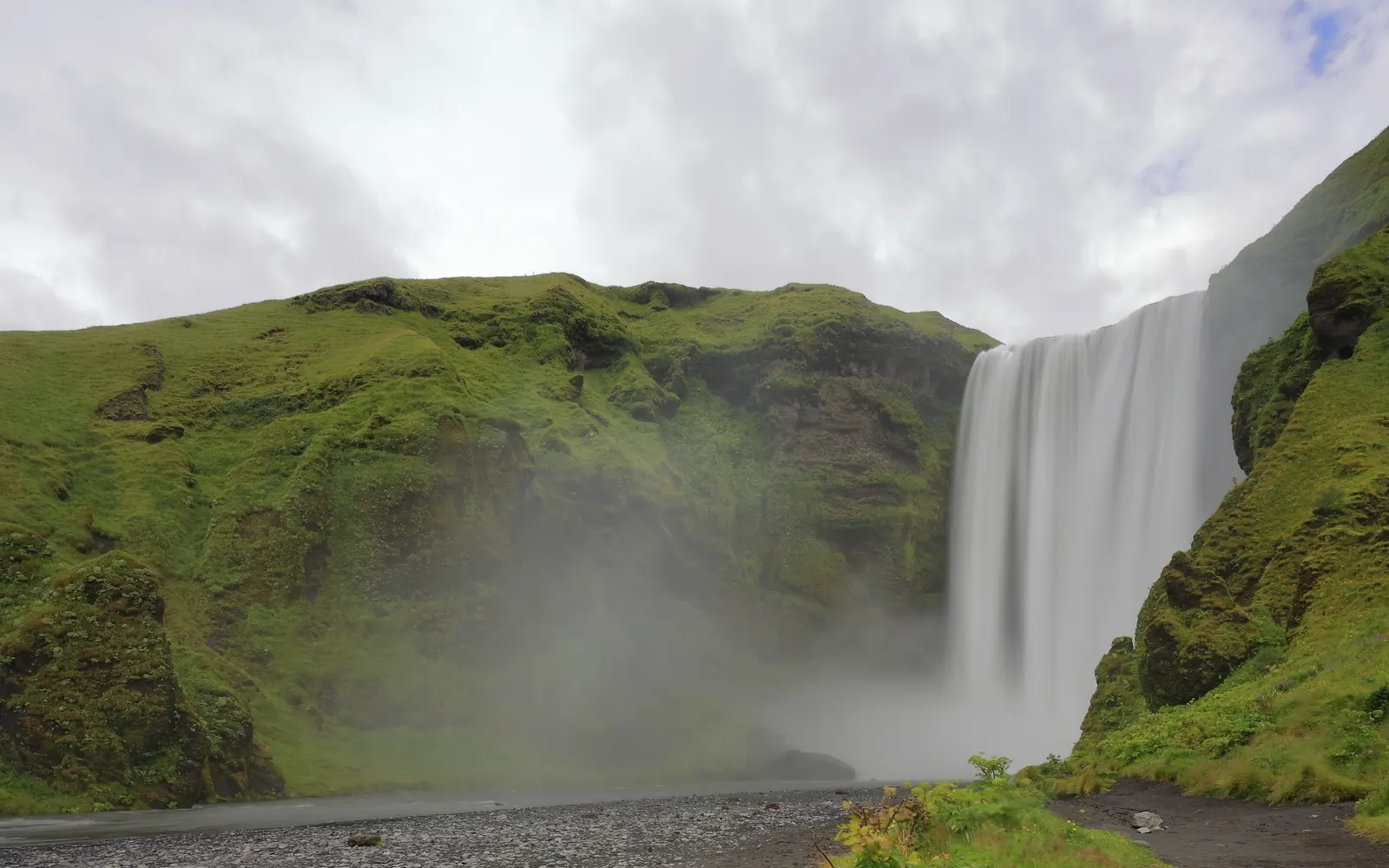
ICENAVI SOUTH COAST FIT
Long daylight buys flexibility; sleep still has a cost
These scores weigh usable light, route efficiency, night driving and the next day's fixed plans. Only factors with a practical bearing on the decision are included.
Around mid-June, Reykjavík sees sunset near midnight and sunrise around 03:00, with even more usable light along the South Coast.
There may be light, but wind, rain, sheep, roadworks and fatigue can still slow Route 1.
Accommodation, fuel, food and next-day South Coast activities are concentrated here, so a late arrival still has a useful supply base.
Boat trips, kayaking and ice-cave tours have fixed check-in times; daylight cannot move a meeting time.
It can still look like dusk at 03:00. Blackout curtains, an alarm and driver rotation will directly affect the next day.
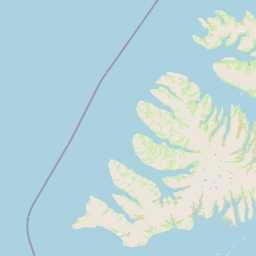
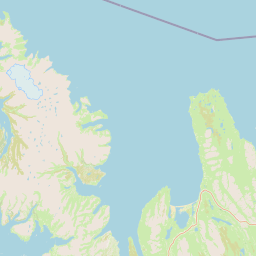
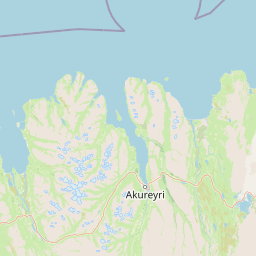
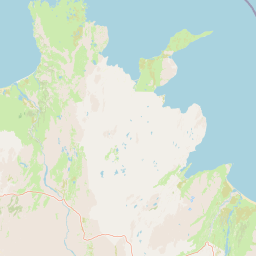
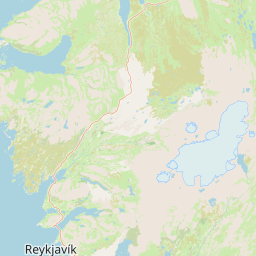
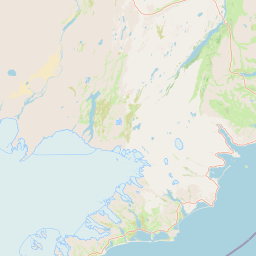
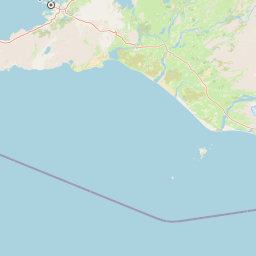
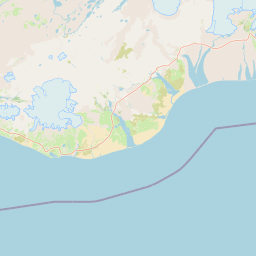
 ReykjavíkWestern departureWaterfall beltSeljalandsfoss / SkógafossVíkEvening stay / suppliesSkaftafellNext-day activity exitJökulsárlónFixed meeting point
Light around midnight does not mean the sights run a night shift
In mid-June, Reykjavík has sunrise at about 03:00 and sunset around 00:03; positions along the South Coast vary only slightly. The sky stays bright after sunset, so the black-sand beach remains legible and road signs are easier to read. Do fixed-time activities during the day, then use the evening for coastal places that do not require a booking.
By early July, sunset is around 23:56; by early August it has shortened to roughly 22:30. In September, an evening walk has returned to a more familiar twilight rhythm, so driving plans should not be copied from high summer. Put the month beside the itinerary rather than relying on the vague note that summer has long days.
Sunset is only the moment the sun's disc disappears. Photography and walking also depend on civil twilight, cloud cover and wind by the sea; June is a poor choice if you need complete darkness for stars. If your aim is to avoid harsh midday light, after 22:00 may offer softer colour.
The Vík evening version: save the coast for quieter hours
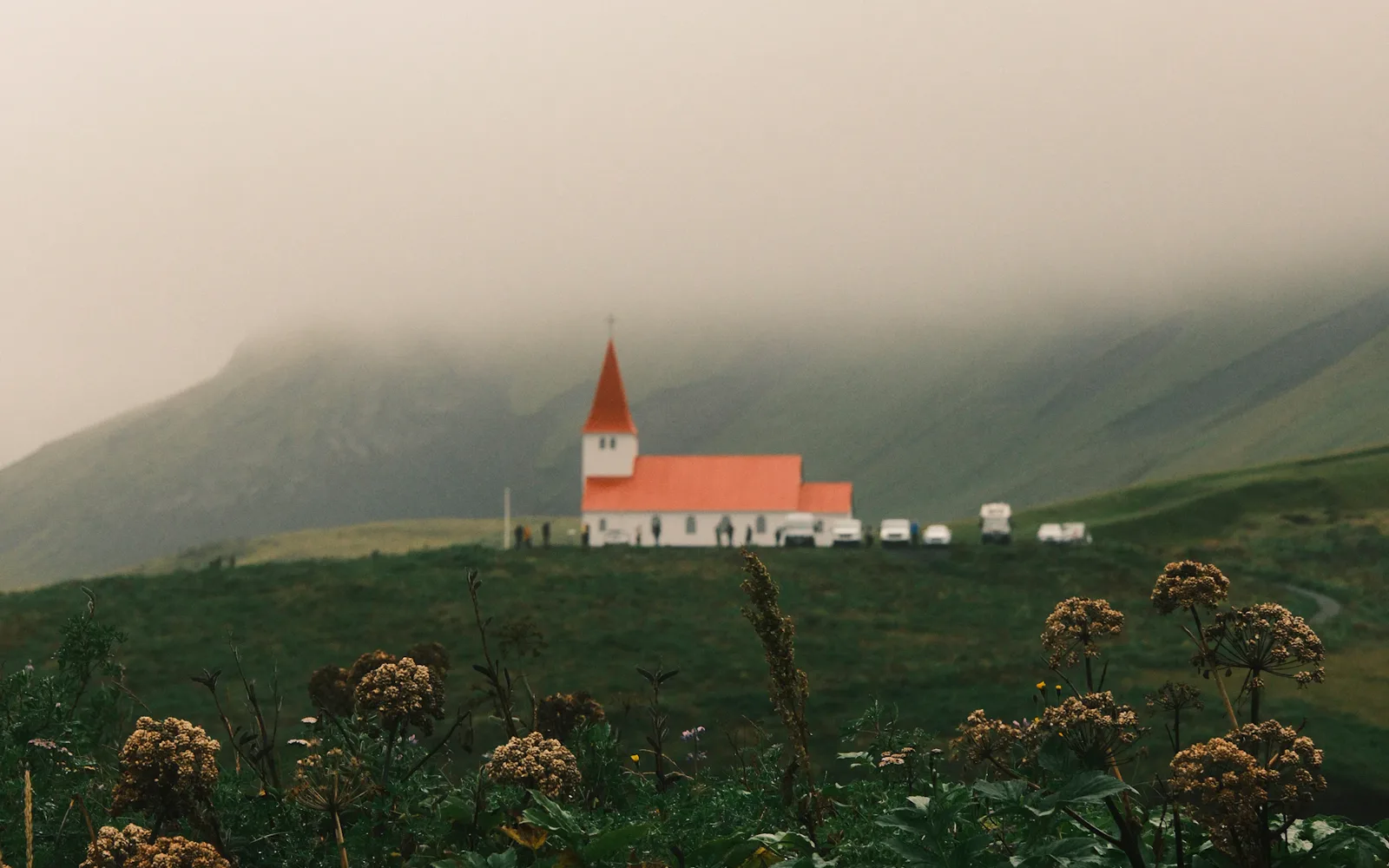
From Vík, Reynisfjara and Dyrhólaey can both fit before or after dinner, but their risks differ. Reynisfjara faces the open sea and the waterline can surge without warning. Stay in a safe position, never chase a wave and never turn your back on the ocean for a selfie. Dyrhólaey is an elevated headland with more direct wind; feel the conditions after parking before choosing how far to walk.
If you visited the waterfalls in the afternoon, choose one coastal stop at night. Allow 45 to 75 minutes at each point and add the drive within Vík, and the evening can already become a two-hour outing. One choice leaves room for the return and for stopping when the light suddenly turns beautiful.
Vík gives a late arrival more access to supplies, but a village with restaurants does not guarantee hot food at midnight. If dinner will be at 21:30 in late June, check that day's opening hours or carry something simple. Keep water, a warm layer and dry socks in the car; wind at Reynisfjara can make it feel colder than the phone forecast suggests.
Accommodation outside Vík may place a few kilometres on an unlit access road. Use dipped headlights, slow down and expect sheep or birds near the road. Attractive late light does not make the shoulder wider.
The Jökulsárlón evening version: good for photography, poor for a last-minute boat booking
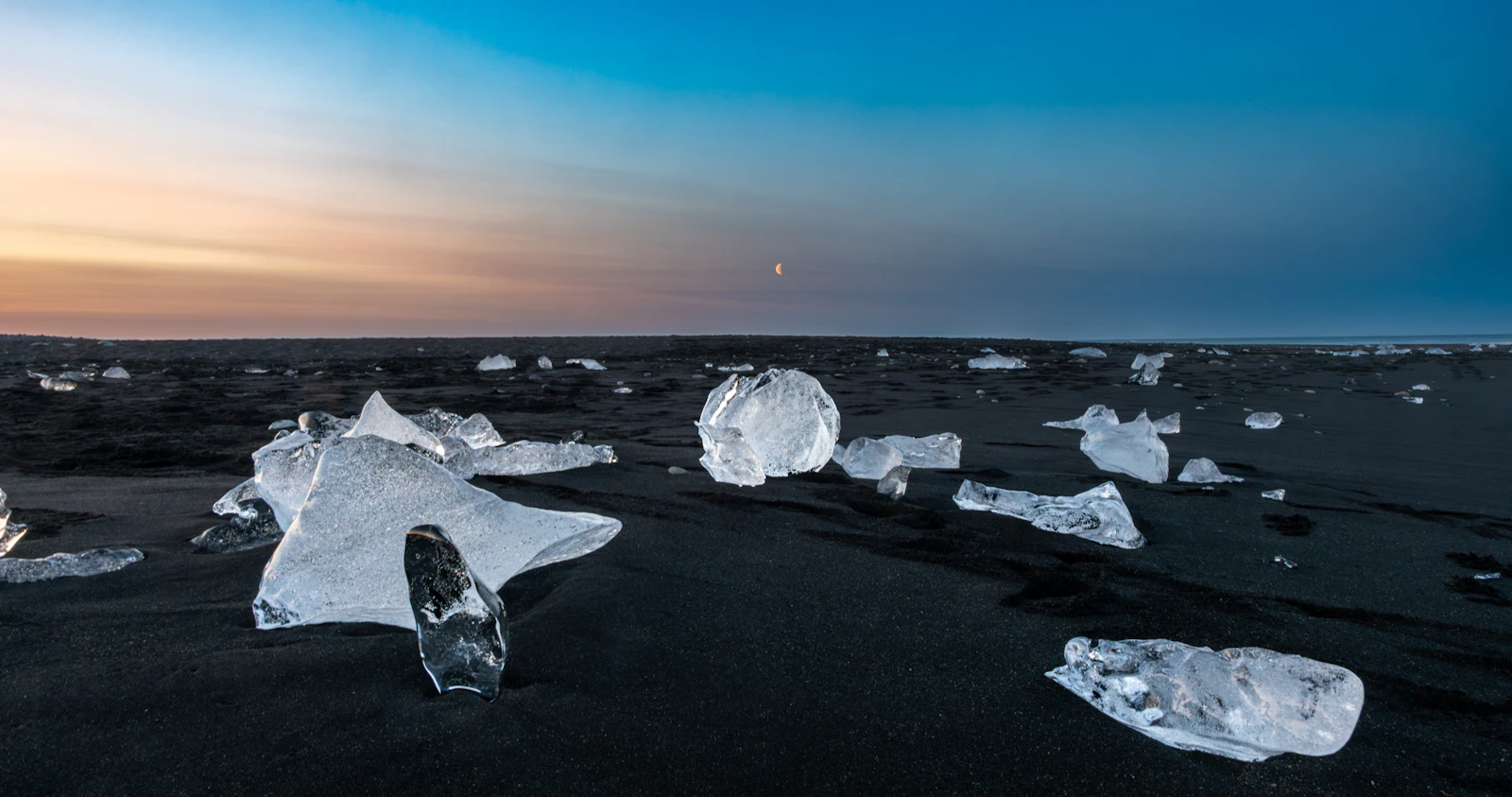
Jökulsárlón and Diamond Beach can still have visitors in a summer evening, but organised activities follow their own timetable. Boat trips, kayaking and ice-cave tours usually require early arrival at the meeting point; arriving late simply squeezes the rest of the day. If you drive from Reykjavík to Jökulsárlón and return to Vík at night, include the fatigue of roughly three hours on the way back.
A steadier arrangement is to sleep near Höfn or Jökulsárlón the night before, take the fixed activity in the morning and head west on Route 1 in the afternoon. The other sensible direction is to sleep in Vík, give Jökulsárlón a full day and stay on the southeast coast after the activity. Long daylight can extend a stop, but it cannot remove more than 200 kilometres of road.
If you are still at Jökulsárlón at 22:00, do not add Vík's black beach on the way back. Keep the beach for another evening; the overnight base then gives each sight its own useful light window. The itinerary may show one fewer photo stop, while the driver keeps more usable attention.
Accommodation near Jökulsárlón changes in availability and price with the season. Check breakfast, check-in deadlines and parking when booking. An early activity may start before breakfast; carrying a portable breakfast is often more dependable than waiting for a café to open. Höfn has more shops and restaurants, while staying near Jökulsárlón saves a section of driving.
One time-of-day table for deciding where to stop at night
| Date / light | Most useful arrangement | Suggested stop | Overnight base |
|---|---|---|---|
| Late May, still bright after about 22:00 | Reach the Vík coast after the waterfall belt | Reynisfjara or Dyrhólaey, 60 minutes | Vík, then east the next day |
| Mid-June to early July, light at midnight | Put the unbooked coast between 21:30 and 23:00 | One coastal point, 75 minutes | Vík or the southeast coast; avoid a long night drive |
| Late July, sunset gradually earlier | Do the fixed activity first and finish the beach at dusk | 45–60 minutes | Choose for the next meeting point |
| Mid to late August, evening close to normal twilight | Do not push the long return into the night | 45 minutes around sunset | Split the stay between Vík and Höfn |
| Ice cave, boat trip or early start tomorrow | Finish the long drive by 19:30 | A short outing near the accommodation | Prioritise the meeting point |
This table is not telling you to race between sights. It shows what you give up for each extra hour. Extending the beach to 23:00 in June, then meeting at Jökulsárlón at 08:00, usually turns sleep into fragments; write that exchange into the full itinerary.
Self-drive, private transport and tours: who controls the evening margin?
Self-drive is the easiest way to move free coastal sights into the evening, because you can leave as soon as wind, cloud or crowds change. The driver takes responsibility for fatigue, parking and road decisions. After a day that already included a glacier walk, a nearby coast is a more dependable evening plan than chasing another eastern landmark.
South Coast day tours from Reykjavík usually run to a fixed return time and may not extend a stop for midnight light. They remove the driving, but also the freedom to change the route independently at night. If your priority is Vík's black beach in low light rather than checking off waterfalls and the lagoon in one sweep, an independent evening after staying locally is the closer fit.
When an activity transfer is involved, put the meeting point, return time and accommodation address in one table. Driving three hours back after the activity may appear to save a night, but it can take the next day's energy instead. Compare accommodation and fuel together: a cheaper bed is not necessarily cheaper if it creates another tiring drive.
Prices are planning ranges, not fixed quotes. South Coast parking, activity tickets, seasonal room rates and fuel all change. Use about HKD 800–1,800 per person per night, or approximately TWD 3,300–7,500, as a starting accommodation range and check the actual dates. For self-drive fuel, a rough starting estimate is ISK 2,000–3,500 per 100 kilometres; rental, insurance and parking are separate.
How I would arrange three kinds of South Coast evening
With only two South Coast nights, sleep in Vík on the first night. Travel west to east in the afternoon, complete Seljalandsfoss and Skógafoss, then visit one coastal point after dinner. Continue towards Jökulsárlón the next day and sleep near Höfn or the lagoon. Separating the black beach and the lagoon removes one backtracking run.
With three nights or more, June's midnight light can support photography or a slower walk. Handle booked activities in daylight, then choose a free-access coast, the area outside Vík's church or a short path near the accommodation. Do not extend every night to midnight; by the third consecutive day, even a beautiful frame can find the group ready for bed.
If you want sunset but not late-night driving, make Vík the eastern evening base. Visit Reynisfjara around sunset and return to the village. Continue towards Höfn or Jökulsárlón the next day according to road conditions, with the activity meeting time clearly protected instead of letting the bright sky tempt you onwards.
Two drivers who can alternate still do not create unlimited time. Rotation helps with the longer stretch from Jökulsárlón to Höfn, but photography, getting out and checking the map also use attention. Stop to stretch every two hours so the final South Coast photograph does not come at the end of the most exhausted section of road.
Before booking, check where the car park and entrance actually are. Midnight light can make the day feel spacious, but pulling luggage up a gravel slope is still hard work. If the room is reached through an outdoor passage, keep a rain jacket and small torch on top of the bag. Blackout curtains matter too: June daylight will remain outside when you want to sleep.
There is no rule that a coast becomes safer later at night. Fewer people may produce a cleaner photograph, but there may also be fewer nearby people to help. Keep your phone charged and stay together rather than splitting between two sides of the shore. The wave line and wind direction matter more than the composition; a few steps closer are never worth losing decision time.
If weather makes Reynisfjara unsuitable, a village activity in Vík or an early return to the hotel is not wasted time. The greater waste is driving from one sight to the next only to discover that everyone has run out of energy. Put a rainy-day version in the itinerary so the change is only one line.
To decide whether Vík works as your South Coast base, read the Vík destination guide. If the order of the coastal sights is still unclear, the South Coast waterfall order breaks down parking and backtracking. This article handles evening light; together, the two pages make a more workable timetable.
For a more reliable Jökulsárlón activity connection, see Jökulsárlón kayaking and Zodiac options: secure the meeting window before deciding whether sunset can remain in Vík. For an ice-cave season stay, the Skaftafell and Jökulsárlón accommodation trade-off is closer to the real cost than looking at sunset time alone.
ICENAVI · SOUTH COAST CALL
Use midnight light for a short extension and the South Coast becomes much easier
In June and July, move the Vík coast into the evening and keep fixed activities and long road sections in daylight. If tomorrow begins with an early meeting, be back at the accommodation by 19:30. Only consider a longer post-sunset stop when there is no fixed time to protect.
Have you chosen your South Coast evening window?
Choose the base that gives you usable light, not extra driving
Compare Vík, Höfn and Jökulsárlón as overnight bases before arranging the activity meeting and the short evening coast.
Related reading
Start with the Vík destination guide and bring the overnight location into the late-light decision.
For daytime waterfalls, continue with the South Coast waterfall order.
More reading
Continue with Jökulsárlón activities, southeast-coast accommodation and the five-day South Coast itinerary.
Q&A | Driving Iceland's South Coast after sunset in summer
Is there still light after midnight on Iceland's South Coast in June?
Yes. Around mid to late June, Reykjavík's sunset is near midnight and sunrise is around 03:00, so a short evening outing is possible on the South Coast. Cloud and exact location still affect the light.
Is it sensible to drive from Vík to Jökulsárlón after sunset?
The drive is about 2 hours 45 minutes to 3 hours before parking and fatigue. If an activity is scheduled the next day, stay on the southeast coast or give Jökulsárlón a full day.
Is Reynisfjara safe to visit at night?
Watch from a safe position well back from the waterline; waves can reach beyond the previous edge. Shorten the visit when wind, rain or visibility are poor.
Should I stay in Vík or Höfn in summer?
Vík is more convenient for an evening at Reynisfjara and a next-day eastbound route. Höfn or Jökulsárlón is better when the next day begins with a lagoon activity or when you want to remove a long drive.
Can I still plan around midnight light in August?
August evenings remain later than summer evenings in Hong Kong, but sunset has already moved earlier. Check the date rather than extending a June schedule.
Do evening sights require reservations?
Reynisfjara and most viewpoints do not use timed admission. Boat trips, kayaking and ice caves have separate meeting times, so handle the two kinds of stop differently.
References
- Timeanddate | Reykjavík sunrise and sunset in June 2026 (daylight hours and summer-solstice data).
- SafeTravel Iceland | Reynisfjara wave safety (wave and safe-distance guidance).
- Iceland Road and Coastal Administration | Road conditions (road checks for the departure date).
- OpenStreetMap contributors (base map used in this article).