
ICENAVI ARNARFJÖRÐUR FIT
Four side routes, each needing its own window
Scores reflect route distinctiveness, backtracking, weather tolerance, vehicle requirements and how well each option connects with the following night.
A large fjord, smaller branching fjords, coastline and waterfalls are concentrated along one route, giving the landscape far more depth than a single photo stop.
Dynjandi, Hrafnseyri and the southern side fjords involve separate turns. Choose an overnight base in the wrong direction and you will have to repeat part of the drive the next day.
Svalvogar is unsuitable for small cars, and its narrow, exposed coastal road is affected by the tides. The main route to Dynjandi is less demanding.
The Jón Sigurðsson Memorial Museum at Hrafnseyri adds Icelandic history to a day otherwise centred on waterfalls.
Low cloud affects waterfall and coastal views, while the museum can rescue a drizzly half-day. Svalvogar is not a sensible fallback in strong winds.
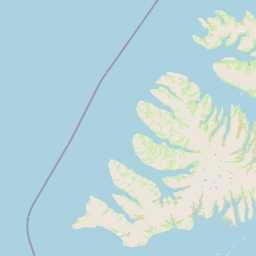
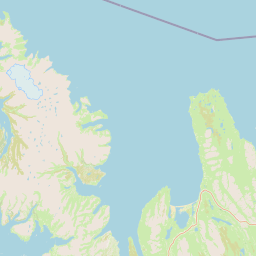
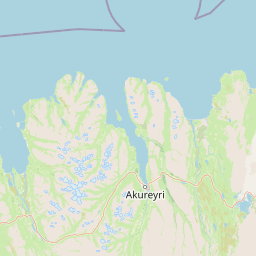
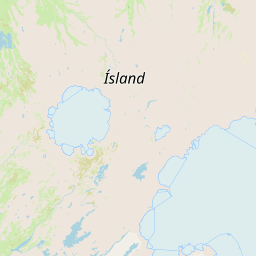
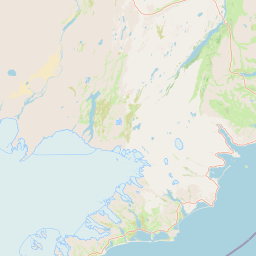
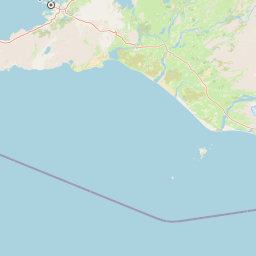
 ArnarfjörðurDynjandi / side fjords
BíldudalurSea Monster Museum / western exit
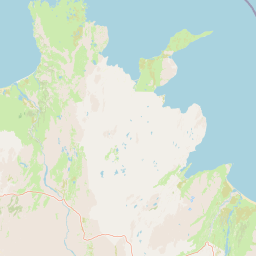
HrafnseyriHistorical museum
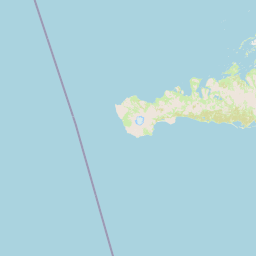
ÞingeyriRoute 60 / eastern exit
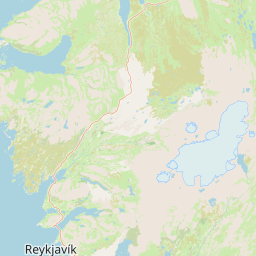
PatreksfjörðurSouthern base / supplies
ArnarfjörðurDynjandi / side fjords
BíldudalurSea Monster Museum / western exit
HrafnseyriHistorical museum
ÞingeyriRoute 60 / eastern exit
PatreksfjörðurSouthern base / supplies
Dynjandi is not a casual roadside stop
Arnarfjörður is approached via Routes 60 and 63. The main fjord is roughly 5 to 10 kilometres wide and about 30 kilometres long. Dynjandi stands at its head; the main waterfall is about 30 metres wide at the top, 60 metres wide at the bottom and approximately 100 metres high. The walk from the parking area to the viewpoint also passes several smaller waterfalls. Give it only 25 minutes and you will usually have time for little more than a photograph of the main fall, without seeing how the water descends through the valley in successive tiers.
If you start from Þingeyri in the morning, visit Hrafnseyri earlier in the day before continuing towards the waterfall, then spend the night in Bíldudalur or Patreksfjörður on the return journey. Reverse the order when approaching from the south. This schedules the most distant stop while you still have energy and sufficient daylight, instead of leaving the head of the fjord until evening.
Hrafnseyri’s small museum changes the pace of the day
Hrafnseyri is the birthplace of Jón Sigurðsson. Its memorial museum uses personal objects, historical documents and traditional turf houses to tell his story. On an itinerary otherwise devoted to natural scenery, this is a brief stop with genuine substance; in rain, the indoor exhibition can also make good use of a half-day that might otherwise be lost. Opening periods and event dates change from year to year. If you want to attend a lecture, archaeology day or evening reading, base yourself in Þingeyri or on the opposite side of Arnarfjörður.
Do not race through all four side routes in one day
Selárdalur is known for Samúel Jónsson’s outdoor sculptures. It is approached from the Bíldudalur side and pairs most naturally with the Sea Monster Museum or an overnight stay around Arnarfjörður. Trostansfjörður is a quiet, remote nature reserve best explored slowly, with time to take in the smaller fjord and the remains of abandoned farms. Fossfjörður has its namesake waterfall and the unusually shaped A-house, while Reykjafjörður has a warm swimming pool visible from the road. Each feature may call for only a short stop; the longer commitment is the drive in and out of the side route.
Svalvogar belongs in a different category. The full route is about 49 kilometres long, following a narrow coastal road between Dýrafjörður and Arnarfjörður. Some sections are exposed and should not be attempted at high tide. Published route information also advises against small cars; a four-wheel-drive vehicle or mountain bike is more suitable. Give it a dedicated weather window rather than using it to fill a spare gap after Dynjandi.
| What you want to do | Suggested plan | Best overnight direction | Factor to plan for first |
|---|---|---|---|
| See Dynjandi only | Parking, waterfall trail and lunch on the return drive | Þingeyri or Patreksfjörður | The return drive to the head of the fjord and the waterfall walk |
| Dynjandi + Hrafnseyri | Museum first, waterfall in the afternoon | One night in Þingeyri gives the smoother route | Opening hours, lunch and the cloud base |
| Selárdalur sculptures | Stay one night in Bíldudalur and drive the side route by day | Bíldudalur / Patreksfjörður | Side-road speed, daylight for the return and supplies |
| Svalvogar coastal road | A separate day planned around the tide and vehicle | Use Þingeyri as the start and finish | Four-wheel drive, tides, passing traffic and wind |
When planning the actual route, write down the time you expect to spend out of the car. The drive from Þingeyri to Hrafnseyri traces the turns of the fjord, and continuing from Hrafnseyri to Dynjandi takes you back towards its head. Every stop to park, take photographs or find a toilet cuts a few minutes from your lunch break. Approaching from Bíldudalur in the south, Selárdalur and the Sea Monster Museum can easily compete for the same afternoon. If you still need to drive to Patreksfjörður the next day, returning to your base before dinner is more practical than squeezing in another viewpoint. Add these details to the itinerary to judge whether an overnight stay gives you meaningful rest or a better departure window the next morning. This becomes especially important once daylight shortens after September, when those few minutes can determine whether you leave the fjord before dark. Keep a simple evening meal in the car so a delay does not tempt you into rushing the drive.
ICENAVI · ARNARFJÖRÐUR CALL
Choose only one side route on your waterfall day
For a dependable visit to Dynjandi, make Hrafnseyri the day’s cultural stop and leave the other side routes for another day. If Selárdalur or Svalvogar is your priority, do not force the waterfall into the same plan. Stay in the direction you intend to enter or leave; avoiding one stretch of backtracking is more useful than collecting another hurried photo stop.
When approaching from the south, first read the Tálknafjörður guide to plan stops at Pollurinn and the swimming pool, then continue to Bíldudalur for the Sea Monster Museum and Selárdalur. From the north, use Þingeyri as the base for Dynjandi and Hrafnseyri. If you have only five days for the entire Westfjords, the five-day self-drive route will help you allocate the cross-fjord overnight stops first. Before departure, check the mountain passes and side roads on the road conditions page.
Q&A | What to ask before visiting Arnarfjörður
How many days do you need for Arnarfjörður?
Allow roughly half a day to one day for Dynjandi alone. Add Hrafnseyri and one side route and you should set aside a full day. Svalvogar needs a separate day.
How long is the walk at Dynjandi?
You need to walk from the parking area to the waterfall viewpoint, passing several smaller waterfalls along the way. Allow at least one hour, then add the return driving time.
Can you drive Route 60 in winter?
Mountain passes and some road sections close seasonally. Check road conditions before setting out and do not plan with summer driving times.
Is Hrafnseyri worth a dedicated visit?
If you are interested in Icelandic independence, turf houses or cultural events, it is worth pairing with Dynjandi on the same day. On a waterfall-only itinerary, keep it as a rainy-day alternative.
Is Svalvogar suitable for an ordinary rental car?
Published route information advises against small cars, and the coastal section is affected by tides and passing traffic. Allocate a separate day according to the vehicle, tide and weather.
Where is the most convenient place to stay?
Stay in Þingeyri for Dynjandi from the north. For Selárdalur from the south, use Bíldudalur or Patreksfjörður. Choose the final night according to the direction of the following day’s departure.
References
- Visit Westfjords | Arnarfjordur (fjord dimensions, Dynjandi, Routes 60 and 63, and Hrafnseyri).
- Visit Westfjords | Natural Highlights (Svalvogar route length, tides and vehicle requirements).
- Visit Westfjords | Museums (Hrafnseyri Museum background and contact details).
- Visit Westfjords | Hrafnseyri Archaeology Day (an example of a local event).
- OpenStreetMap contributors (the real-world base map used in this article).