
ICENAVI STAY FIT · REYKJAVÍK AREA
All three are called the city centre; tomorrow morning draws the real line
These scores measure how well each area handles evenings in the city, harbour activities, pick-up stops and luggage; they are not hotel ratings. Check each room type, noise policy, cancellation terms and parking separately.
It sits between the shopping street, church, harbour and common meeting directions. For a first stay or two city nights plus a day tour, you usually avoid trading one advantage for another long walk.
Restaurants, cafés and supplies are dense here. With a wet coat or two shopping bags, the slope, paving and exact entrance can change the calculation.
Harpa, the piers, waterfront walks and some sea activities point in the same direction. If an early tour meets in the city centre, allow for a cross-town walk in wind or rain.
“City centre” does not mean a coach comes to your door. Use the bus stop, departure time and walking route on your booking voucher.
Slopes, paving, roadworks and building numbers can turn an eight-minute map estimate into more. This matters especially on a one-night arrival or an early flight.
No area wins every time. Decide which morning cannot go wrong, then use same-date prices and cancellation terms for the final comparison.
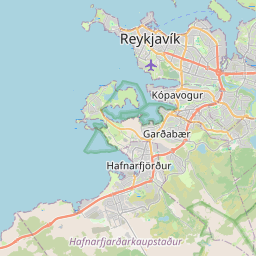
Separate the three nights: arrival, city day and departure
The risk on arrival night is dragging a case through an unfamiliar street only to find the hotel entrance on another slope. A full city day is about being able to return and drop off what you have bought. Before departure, count the bus stop, luggage, breakfast and early flight together. The Reykjavík destination guide handles the city and outing-day roles; this article puts the three stay areas back into those specific moments.
No area wins all three nights. The Old Harbour is close to harbour activities but may not be the easiest base for an early departure; Laugavegur has a dense restaurant scene, while its slopes and paving become very noticeable when you are carrying a large case.
| Area | Best for | What you gain | Check before paying |
|---|---|---|---|
| Laugavegur | A full city day and walking after dinner | Dense shopping, cafés and restaurants, with no need to call a car back to the room | Hotel entrance, slope and whether the transfer vehicle can reach the door |
| Miðborg | A first stay and a balance between the city and a meeting point | A compromise position between the shopping street, church, bus stops and harbour | Actual walk to the bus stop, luggage storage and noise |
| Old Harbour / Harpa area | Harbour activities, dinner and waterfront walks | Harpa, the piers, restaurants and waterfront walking all point in one direction | Whether an early tour requires walking back into the city centre, and how the walk feels in strong wind |
Walk the route back from dinner once before comparing the centre with the Old Harbour: check the slope, the shoes your companions will wear, winter wind and rain, and whether anyone will be pushing luggage. If each day uses a different meeting point, identify the one you will use most often and check whether public transport still serves the return. Moving areas for one late show or meal only makes sense when that evening’s work is genuinely different.
If you collect a car midway through the trip, ask the city hotel where luggage can be dropped, whether a short stop is allowed and where the nearest car park entrance is. A sat-nav route to the hotel door does not mean the car can stop outside. When you do not need a car during the city stay, collect it on the day you leave; that usually avoids city-centre parking searches and charges.
Laugavegur’s convenience changes when you are carrying a wet coat
In daylight, every hotel around Laugavegur can look close. Coming back from dinner with two extra bags and melted snow under your shoes, an eight-minute walk is no longer simply eight minutes. This is not a reason to avoid the area; it is a reason to replace a straight-line map distance with the real final stretch: paving, slopes, roadworks, pedestrians and the hotel entrance all count.
If you are staying three nights or more, the area’s density becomes more valuable. Breakfast, laundry, a last-minute SIM or a rain jacket can all be handled on foot. If you are staying one night with a named early pick-up, check the meeting stops in the three-day car-free itinerary first; an enjoyable evening should not hide the cost of dragging luggage in the morning.
ICENAVI · The final stay-area vote
Do you want to give the evening to the city, or give tomorrow morning a shorter start?
Staying centrally is not a ranking of attractions. It shortens the movement most likely to go wrong. Decide which morning cannot run late, and the area answer usually becomes clearer.
The Old Harbour is not a “more upscale city centre”
The Old Harbour’s advantage is direction: Harpa, the piers, the waterfront and some sea activities extend along the same side of town. After whale watching or dinner by the harbour, the way back is easier to picture; in wind or rain, or when nobody wants to put a coat on again, avoiding one cross-town walk is a real benefit.
The trade-off is that you may not want to walk to Laugavegur every day, and an early day tour may not meet at the harbour. If prices are close, put the activity meeting point and the next day’s transport into the decision before letting a sea-view photograph vote for every night. The full city-centre or harbour comparison continues with named hotels and same-room CTAs across three platforms.
The pick-up stop decides comfort earlier than attraction distance
Many Reykjavík tour coaches do not drive straight to every hotel door; guests are asked to walk to a named bus stop. Before booking, put the hotel address, nearest pick-up stop, departure time and luggage count together. A map may show twelve minutes, but rain, darkness or two large cases can require more time. The difference is most honest at six in the morning.
If you arrive from KEF without a hire car, a compact, easy-to-find Miðborg base can make sense for the first night. If you drive for the whole trip, count parking charges, restricted streets and the pick-up location as well. The guide to getting from KEF to the city on day one covers the airport-to-city process; this page answers where to put the last kilometre after you arrive.
Three common situations, three possible answers
| Situation | Area I would check first | Why | What you can give up |
|---|---|---|---|
| First visit, two city nights plus a day tour | Miðborg or Laugavegur | Dinner, supplies and the meeting stop are easier to balance | Paying too much for a sea view |
| Harbour activity in the evening | Old Harbour | One less return walk in wind or rain, with dinner still nearby | A little extra walking to the shopping street |
| Early flight home | Check airport transport first, then choose the centre | The earliest bus, breakfast and luggage are less flexible than sightseeing | The last night does not have to be in the liveliest location |
This is not the right approach for everyone: If you have one night and a fixed early airport transfer but still make restaurant density the priority, central convenience may buy you a longer morning. Check the first transport and pick-up stop before paying extra for a lively location.
Hotel-entrance details matter most on the first night
If you take a bus into town from KEF, you may still cross a stretch of street after getting off. With two suitcases, the slope, paving and whether a car can pause by the entrance can matter more than five extra square metres. Paste the hotel address into a map when booking, then save the nearest bus stop and reception hours; you should not have to guess which door is yours in the wind.
Within the same area, price differences can come from breakfast, cleaning fees, city tax or a non-refundable term. Do not compare only the first large number on a search page; ask what you would lose if an activity were cancelled or a flight delayed. A room that keeps one night flexible may not be the cheapest, but it can sometimes prevent an emergency hotel move across the whole trip.
Compare hotels after you choose the area
Once you know which area should own the evening, compare rooms using the same dates, guest count and a similar room type. Check breakfast, the cancellation deadline, city tax, the walk to the pick-up stop and parking together; a platform’s “city centre” label does not tell you which street the hotel entrance is on.
Choose the area, then compare same-date prices
These three links search Reykjavík hotels. Cross-check the same dates, guest count and room type;
Five questions before you pay
- Is the hotel entrance on the street you expect, or around the corner under another building number?
- How many crossings will you make while dragging luggage to the nearest group pick-up stop?
- After an evening activity, will everyone in your party accept a walk in wind or rain?
- If the first bus is cancelled, do you still have a cancellable room or a backup transfer?
- Are you paying for a full city day, or for an address where you will sleep for only six hours?
No Reykjavík area wins every time. Decide whether tonight or tomorrow morning matters more, then let the booking platforms answer “which room”. Reverse that order and you can buy a night that looks central but adds detours every day.
Q&A | Ask before you leave
For a first Reykjavík visit, what should I check across the three areas?
Start with the morning you cannot afford to miss. For a day tour, check the pick-up stop on the voucher; if dinner and city walking are the priority, compare the real streets around Miðborg, Laugavegur and the Old Harbour.
Is the Old Harbour always more convenient for harbour activities?
The direction is more direct, but not every activity meets at the harbour. Check the product voucher’s meeting point, check-in time and return location.
Can I choose a one-night stay by looking only at distance from the sights?
I would not. On an arrival or departure night, luggage, the bus stop, breakfast and cancellation terms can change the answer faster than a straight-line distance to a sight.
References | Sources and limits
References
- Visit Reykjavík | Getting around (background on central walking, transport and tour-bus stops; use the booking voucher for pick-up details).
- Reykjavík Excursions | Pick-up points (named pick-up stops and hotel-transfer limits; check again for your departure date).
- Strætó (public transport routes and timetable entry point).
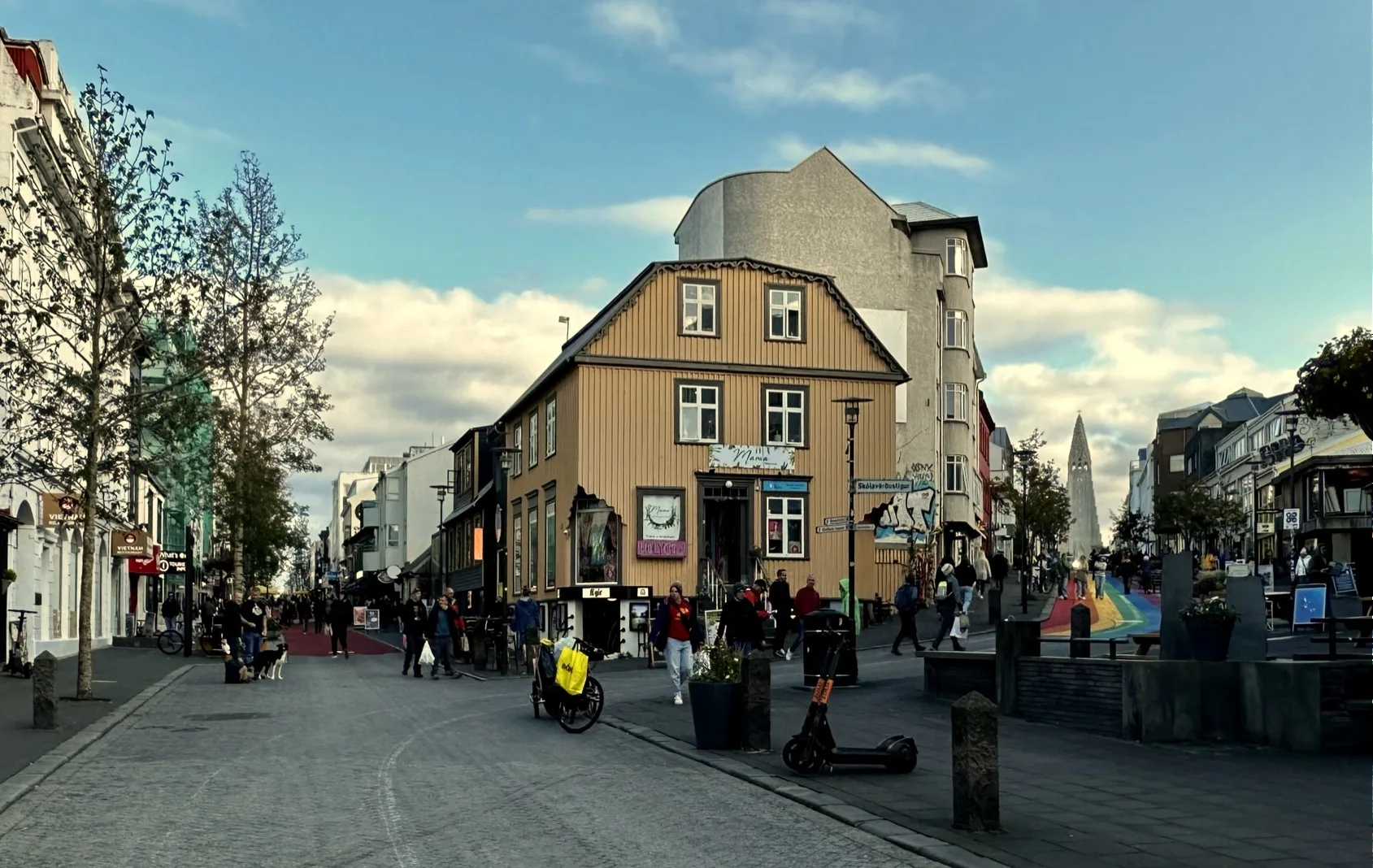
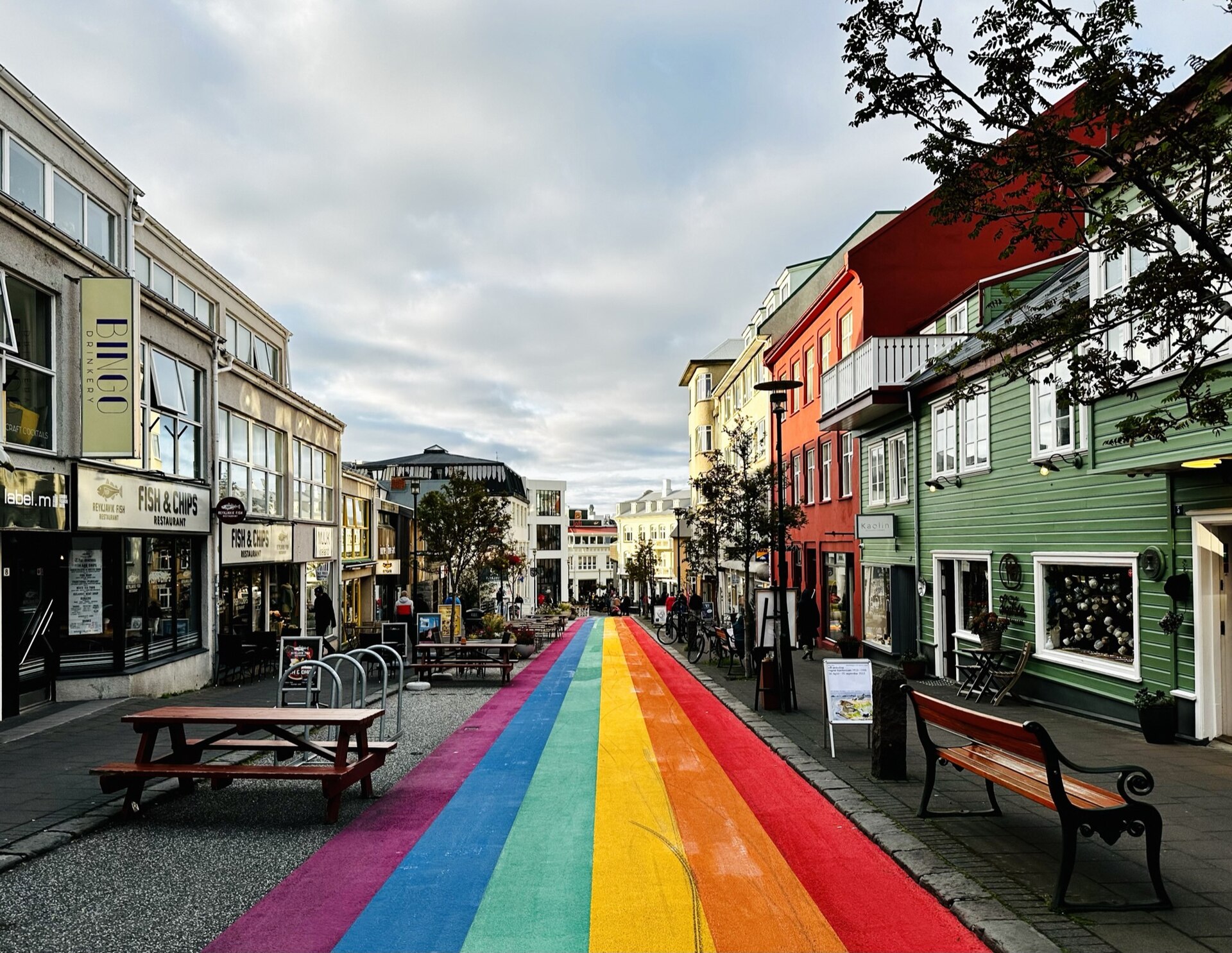
- Hero image by APK / Wikimedia Commons, CC BY-SA 4.0; shown only to illustrate the street scale of Laugavegur and Skólavörðustígur, not same-day crowds, road closures or any hotel entrance.