
Lock the boat time or ice-cave meeting point first
Jökulsárlón Glacier Lagoon and Diamond Beach can sit in the same stretch of the route, but boat times, tides, wind and parking change the time you actually need; count walking and return energy at Skaftafell separately, and usually place it in another window with room to spare. If you have a fixed activity, stay in the direction of the meeting point first. If you are only seeing the lagoon and beach, compare whether Vík, the lagoon area or Höfn leaves the better exit for the next day. Do not treat the one-and-a-half hours shown by your sat-nav as the cost of the whole day.
ICENAVI GLACIER LAGOON · DAY FIT
Is this day being led by the boat time, the trail or the accommodation exit?
These scores measure boat timing, tides and light, parking and walking, accommodation position and weather alternatives around the glacier lagoon; they are not ratings of an attraction or boat operator. Conditions at sea, roads, the national park and activity notices always take priority.
Time on the boat does not include parking, collecting tickets, getting dressed, waiting or arriving early; once the fixed slot is booked, every stop before and after must make room for it.
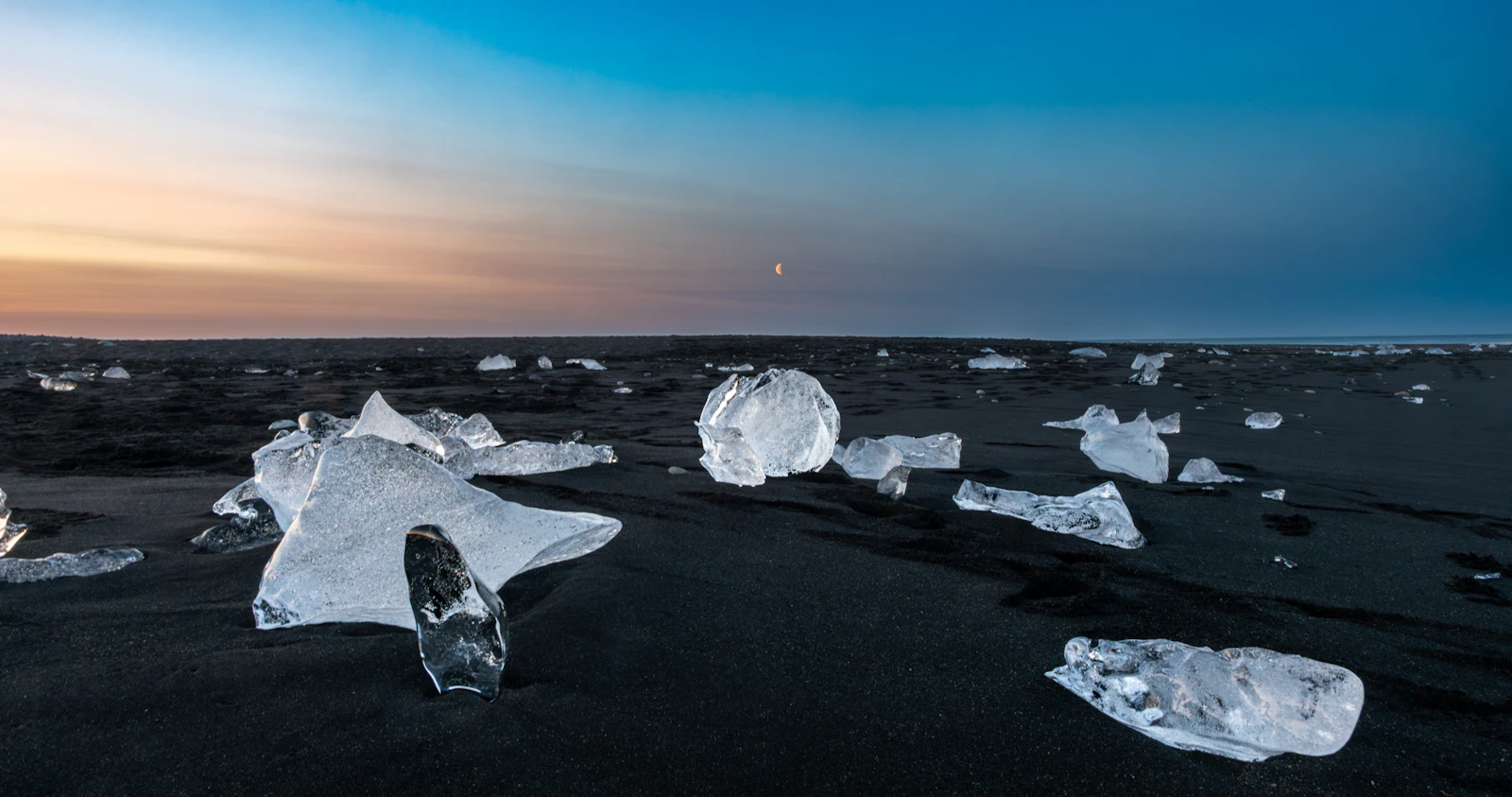
Ice on Diamond Beach is shaped by waves and tides, and the light on the lagoon changes too; do not book a visit expecting the same scene as the hero image.
The lagoon shore and the beach do not share a car park; finding a space, getting out, facing the wind, brushing sand off before driving and putting the camera away are part of the real combined stop.
From the car park, the glacier tongue and Svartifoss require different walking allowances; if you still need to meet a group or drive east in the afternoon, the attraction name cannot stand in for the route.
With a boat or ice-cave tour, accommodation near the meeting-point direction protects the morning better than a beach photograph; Höfn, the lagoon area and Vík are different exits, so distance alone is not enough.
Lock the boat or meeting time, handle the lagoon and beach in one stretch, scale the trail to your energy, and keep a next-day escape route through your accommodation. That is what makes a south-east coast day workable.
Jökulsárlón, Diamond Beach and Skaftafell each ask for a different kind of energy
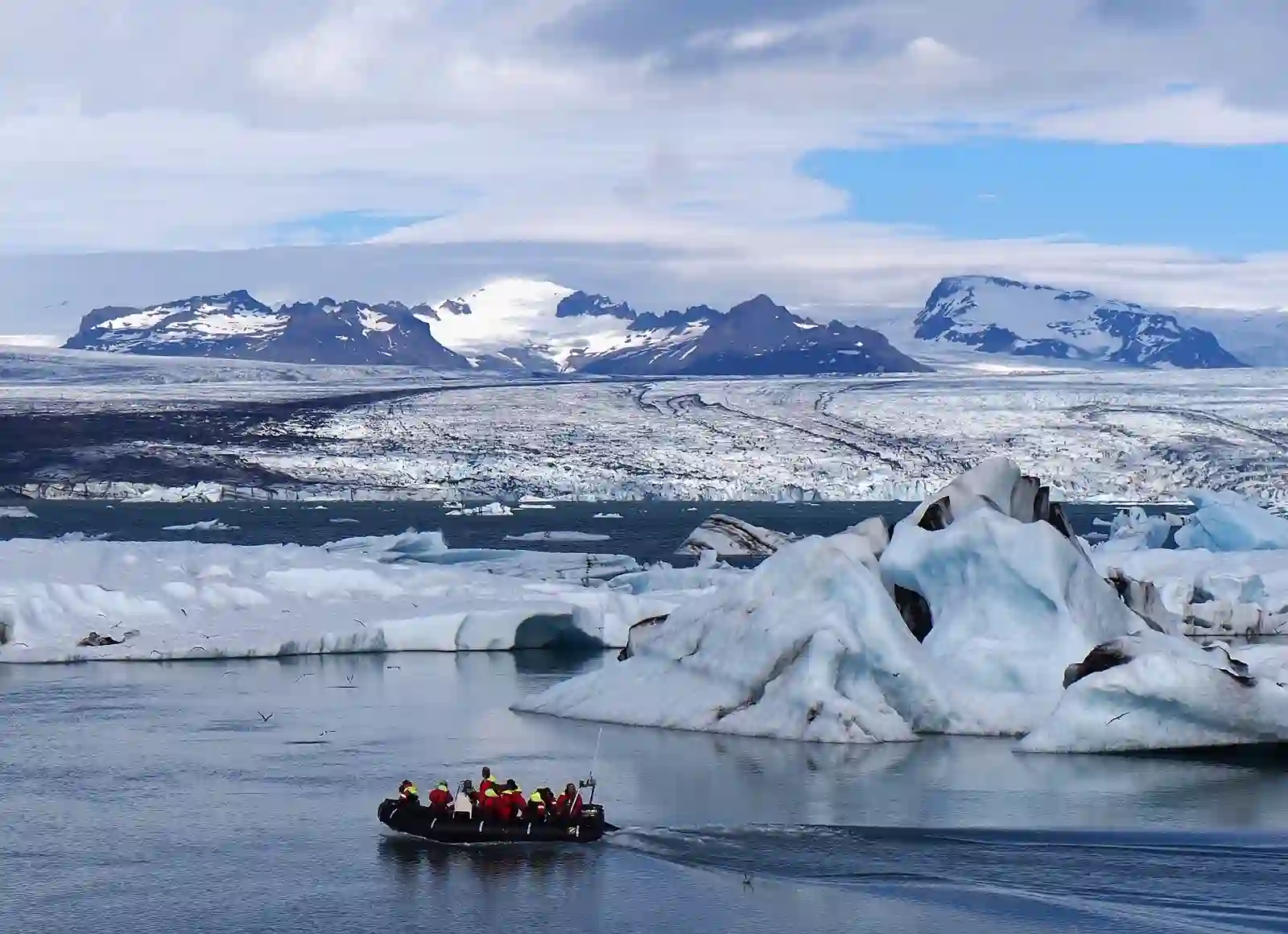
A stop at Jökulsárlón is often reduced to “get out and see the lagoon”, but parking, finding a viewing spot, wind and waiting for a boat can stretch the clock; Diamond Beach has no ticket, yet waves, tides, ice distribution and parking still shape the visit; at Skaftafell, the trail starts at the car park, and seeing a glacier tongue or waterfall cannot be done in twenty minutes. All three can fit into one day, but only after accepting that they are not the same kind of quick stop.
If you only want the lagoon and beach, Höfn or the lagoon area is usually steadier than going back and forth from Vík; if an ice-cave tour meets at Skaftafell or by the glacier, stay near the meeting point instead of choosing accommodation for the prettiest beach photograph. The Jökulsárlón and Skaftafell destination guide covers how many nights to stay and the roles of eastbound, westbound and activity bases. If you are choosing between Fjallsárlón and Jökulsárlón, the glacier-lagoon comparison starts with short stops, boat activities and alternatives if plans are cancelled. This page deals with how the three sights make room for one another on the same day.
| Place / activity | Main task | Time often missed | Best use in a plan |
|---|---|---|---|
| Jökulsárlón Glacier Lagoon | Shore viewing, watching icebergs, checking in for a boat | Parking, wind exposure, queues, arriving early for the boat | Day's anchor when there is a fixed time |
| Diamond Beach | Beach viewing, watching the ice against the waves | Tides, different ice levels each day, brushing sand off before driving | Same stretch as the lagoon, with one stop kept optional |
| Skaftafell | Trail, glacier tongue / waterfall, hiking gear | Walking up and down, wet or slippery ground, energy for the return | A separate half-day or part of an accommodation base |
| Ice-cave / glacier tour | Meeting point, equipment, transfer and safety briefing | Before and after check-in, cancellation and rescheduling | Choose accommodation first, then fill in nearby sights |
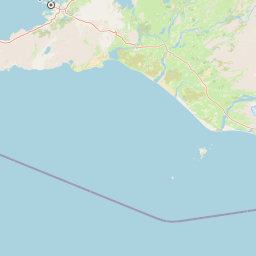
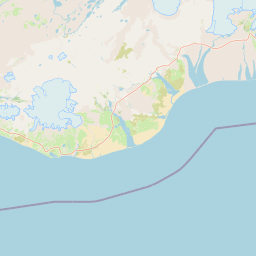
When there is a boat booking, timing—not scenery—sets the order
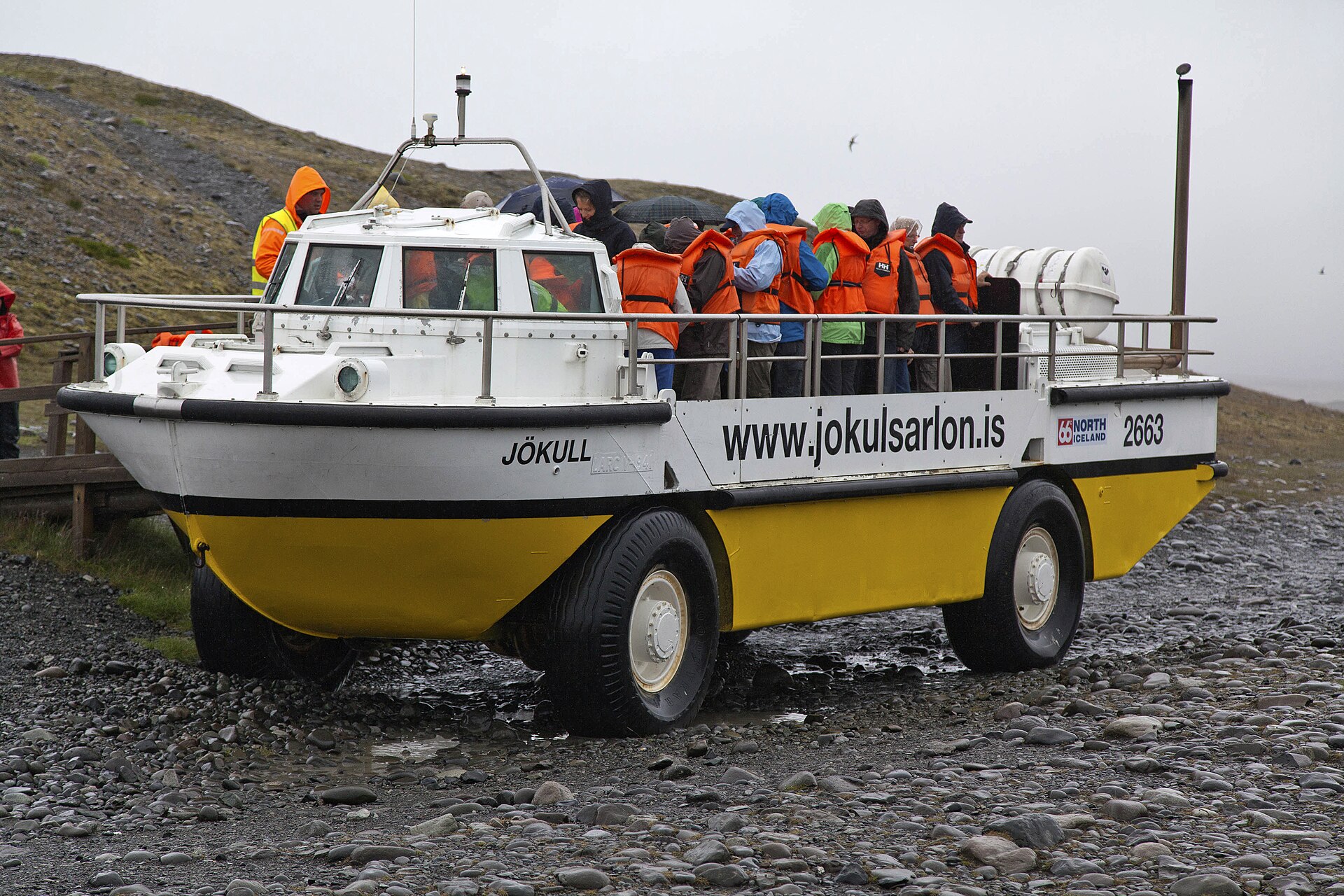
Water activities have a latest check-in time and sea-condition notices; those matter more than deciding which view comes first. You can usually reach the meeting point area first, then see the lagoon or Diamond Beach after the activity. If the boat is in the afternoon, do not spend the morning driving to Vík or planning another long outing that depends on returning on time. The time listed for the boat does not include parking, collecting tickets, getting dressed or waiting.
To compare boat departures with other activities, start with ice-cave meeting points and cancellations or the total time for a South Coast day tour, then return to the glacier lagoon to choose accommodation. Looking only at the ticket price misses the most expensive item: after a missed check-in, the entire south-east coast route may have to be rebuilt.
Diamond Beach is close, but it is not an extension of the lagoon viewpoint
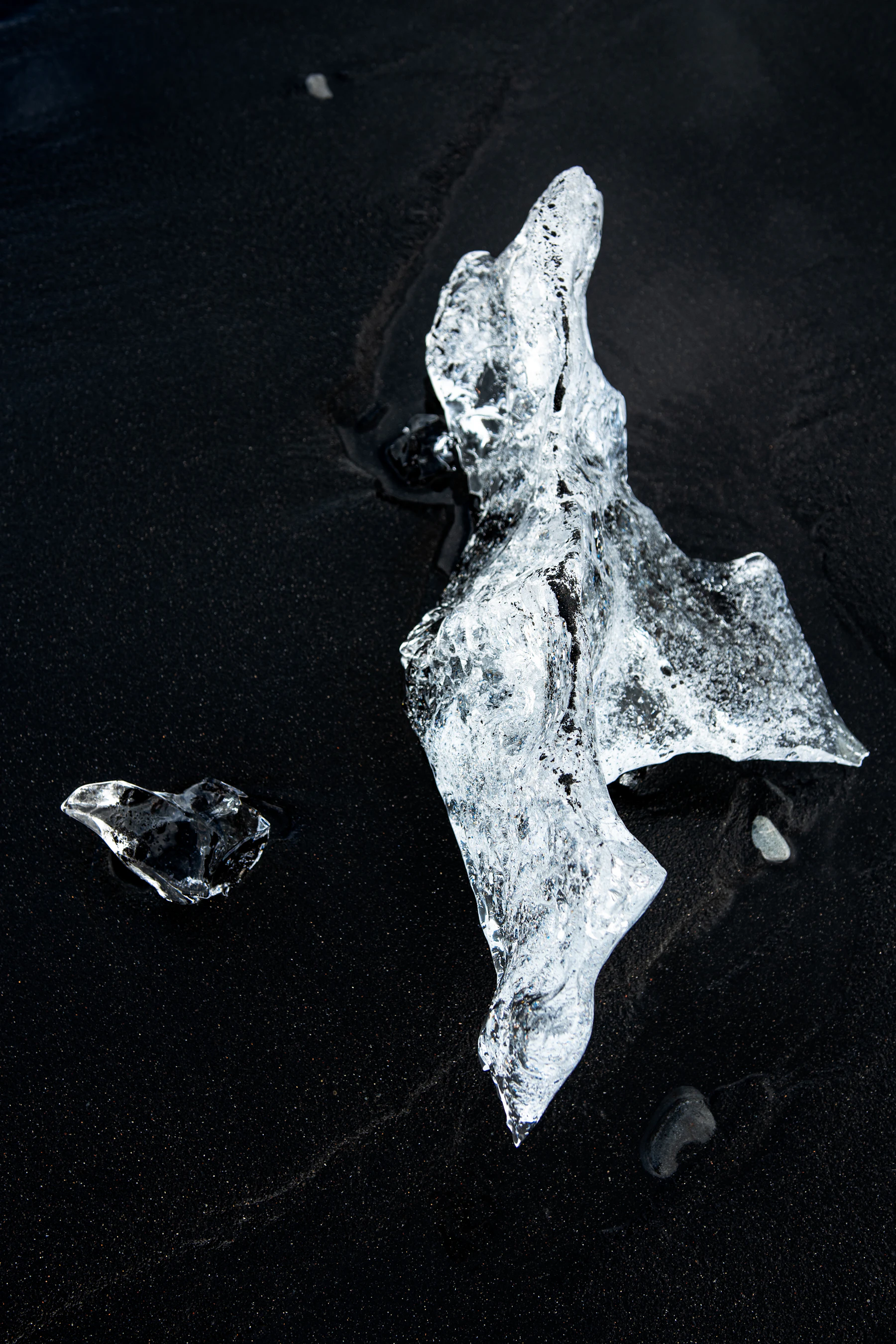
The two places are separated by a road, yet their views and sea conditions differ. Icebergs drift in the lagoon; ice on the beach is carried in by tides and waves. Seeing a lot in the morning does not mean the distribution will be the same in the afternoon. Do not walk towards the waterline looking for “the biggest piece”; you can see the contrast between black sand, clear ice and sea and sky from a safe distance.
When the wind is strong, reduce the beach to a short look and keep time for the lagoon shore or accommodation with a clear exit. It is free to visit, but it cannot guarantee dry shoes, a safe camera or an on-time next stop. One night at the glacier lagoon or a same-day return puts this stop's cost back into the choices between Vík, Höfn and the capital.
ICENAVI · South-east coast cut-a-stop test
If Diamond Beach disappeared from today, would the lagoon and tonight's accommodation still work?
If the answer is “yes”, cut it. If the answer is “no”, check whether the route is being held together by a photograph of ice rather than by a sensible accommodation plan. You can revisit a sight; a missed boat and lost flexibility for one night are harder to recover.
Write “walking” beside Skaftafell in the plan
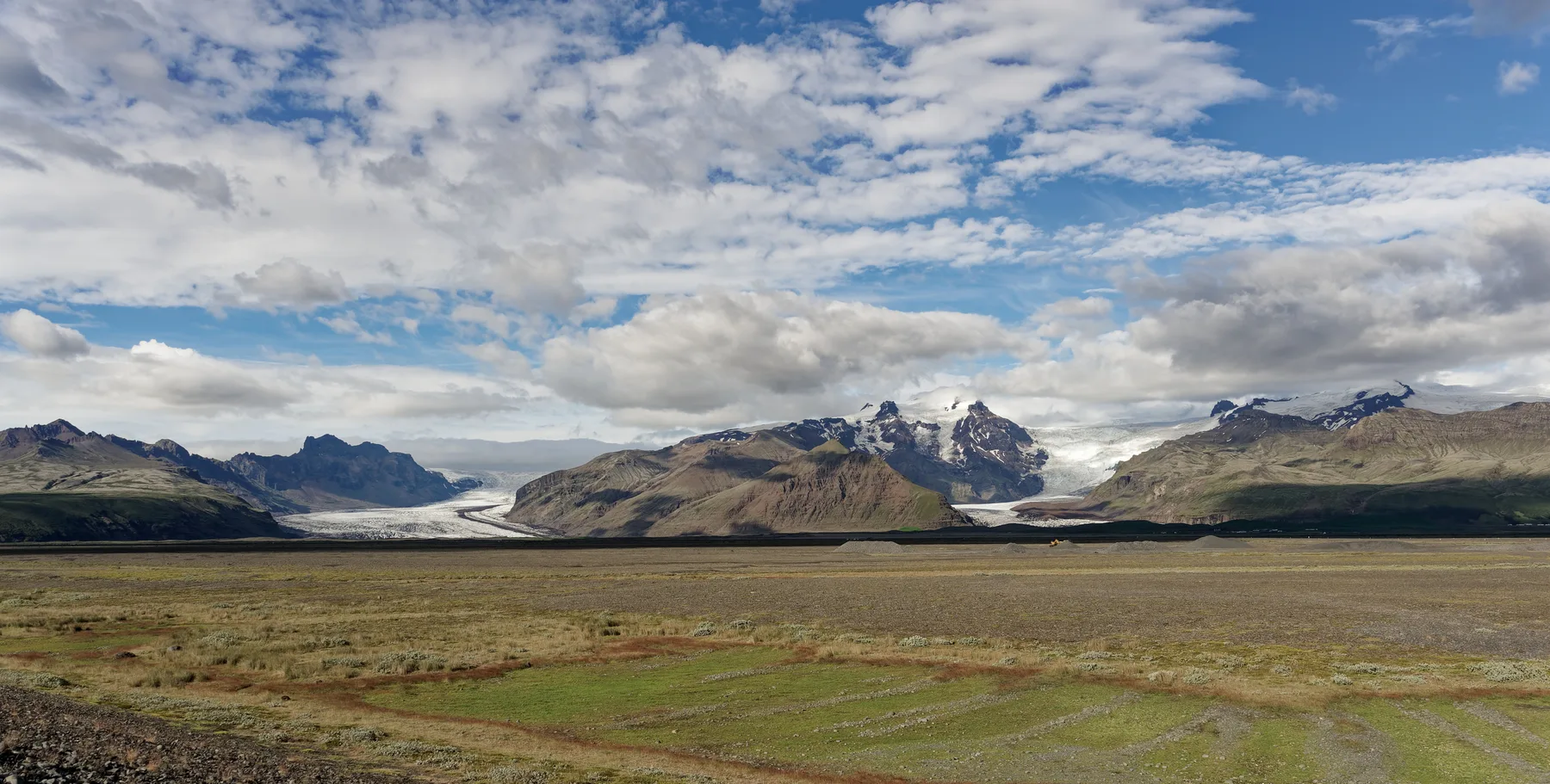
Every step from the car park to a viewpoint is part of the day's capacity. Some people want only a glacier tongue; others want to walk to Svartifoss (the Black Waterfall). These are different stops. If you still have an ice-cave meeting point in the afternoon or need to continue towards Höfn, choose a trail that allows you to turn back with the energy you have; do not make the furthest point compulsory on paper. Compare the Jökulsárlón and Skaftafell destination guide as a separate base if needed, after the activity date is clear. Staying nearby does not automatically make the trail easy.
In autumn, winter or spring, include daylight, snow and slippery ground in the decision. Trail access and how comfortable the conditions feel are different questions, so check the national park and SafeTravel for current information before leaving. If a long walk does not suit the group, the lagoon shore and nearby short stops are enough for a full day; you do not need a trail name to prove you visited properly.
Coming from Vík, the part most often missed is what happens after the return drive
The map distance between Vík and the glacier lagoon can make a day return look feasible; in practice, add south-coast parking, black-sand beaches, wind, rain, lunch and the drive back to your accommodation. If you need to return to the capital or join a fixed activity early the next morning, arriving back in Vík after everyone has gone quiet is usually a sign that today's drive went too far. One or two nights in Vík and Höfn accommodation and next-day direction can support different routes, but first decide whether you will genuinely continue east.
With two or more nights, staying near the glacier lagoon gives the morning and the boat more breathing room. With one night and an early flight, staying on the South Coast or in the capital is safer than pushing the return to the limit for a photograph of “glacier-lagoon sunrise”. Accommodation is not an accessory to the attraction; it decides whether the ice stays in your memories rather than on an overtime schedule.
When a boat is booked, treat check-in as the hard point
For a Jökulsárlón boat trip, work backwards from the printed check-in time and leave room for the drive from your accommodation, parking and the walk to the harbour. Do not use the sailing duration on the activity page as the total time for the stop. If you arrive and the queue or boarding process runs slowly, protect the activity and a safe return first; Diamond Beach or a second viewpoint can become optional. With older travellers or young children, add time for the toilet, extra layers and the pace of getting on and off the boat. On a day without a fixed sailing, keep the shore visit longer and decide about Skaftafell according to your evening base.
A version that does not overload a glacier-lagoon day
- Lock the check-in time for the boat, ice cave or glacier tour, including early arrival and the return drive.
- Treat the lagoon and Diamond Beach as one south-east coast work area, but keep one stop optional.
- Add Skaftafell only when there is a clear walking allowance; do not use the attraction name as a substitute for the route.
- Before making the final decision each day, check roads, wind, sea conditions and the group's energy again.
- If only the return drive and check-in remain, keep a short lagoon-shore stop and cut the distant detour; do not borrow tomorrow to justify having “come this far”.
The glacier lagoon does not require you to see every piece of ice in one day. Let the lagoon, beach, trail and accommodation each do their own job, and you are more likely to find an afternoon that invites you to stop and look.
If one traveller only wants the lagoon and does not want a trail, the answer is not to persuade them to complete another attraction; recalculate the day's theme. A short lagoon-shore stop, a safe distance from the beach and a hot meal can already make a complete south-east coast day. Save the trail for a day with the energy, weather and time for it, so the glacier lagoon does not become scenery beside a rushed drive. When everyone is already looking for a hot drink, dry socks and a toilet in the car park, the route is telling you that the next block should be shorter; that signal is more useful than adding another blue map pin. The ice will not become less beautiful because you skip one trail. Protect comfort first, and the memories have room to form.
Q&A | Decisions to confirm before setting out
Can Jökulsárlón and Diamond Beach be visited on the same day?
Yes, but boat times, tides, wind, parking and departure time change the length of the stop; do not work backwards from driving time alone.
Should Skaftafell be added on the same day?
If you are walking or joining a glacier activity, a separate allowance for energy and the return window is steadier; it is not a five-minute car park beside the lagoon.
How should accommodation follow the activity meeting point?
Lock the boat or ice-cave meeting point first, then choose between Vík, the lagoon area and Höfn so accommodation reduces early starts and backtracking.
What should be cut first when the weather worsens?
Cut the activity with a fixed time or a long walk first; keep a short lagoon-side view and accommodation that can still be cancelled.
References
- Vatnajökull National Park: Skaftafell (trail, protected-area and day-of information).
- Visit South Iceland: Jökulsárlón (glacier-lagoon and south-east coast travel context).
- SafeTravel Iceland (road, weather, coast and outdoor-safety checks).
- Icelandic Road and Coastal Administration (same-day road notices).
- Hero image: Joseph Corl / Unsplash, showing Diamond Beach; used only to identify the beach and ice environment, not to represent the day's ice level, tides, sea conditions or access.