
ICENAVI ROUTE FIT · WESTFJORDS CAR
The extra money buys options when the road turns slow
This scores how well each car type fits Westfjords routes; road openings, rental terms and the day's weather still need separate checks.
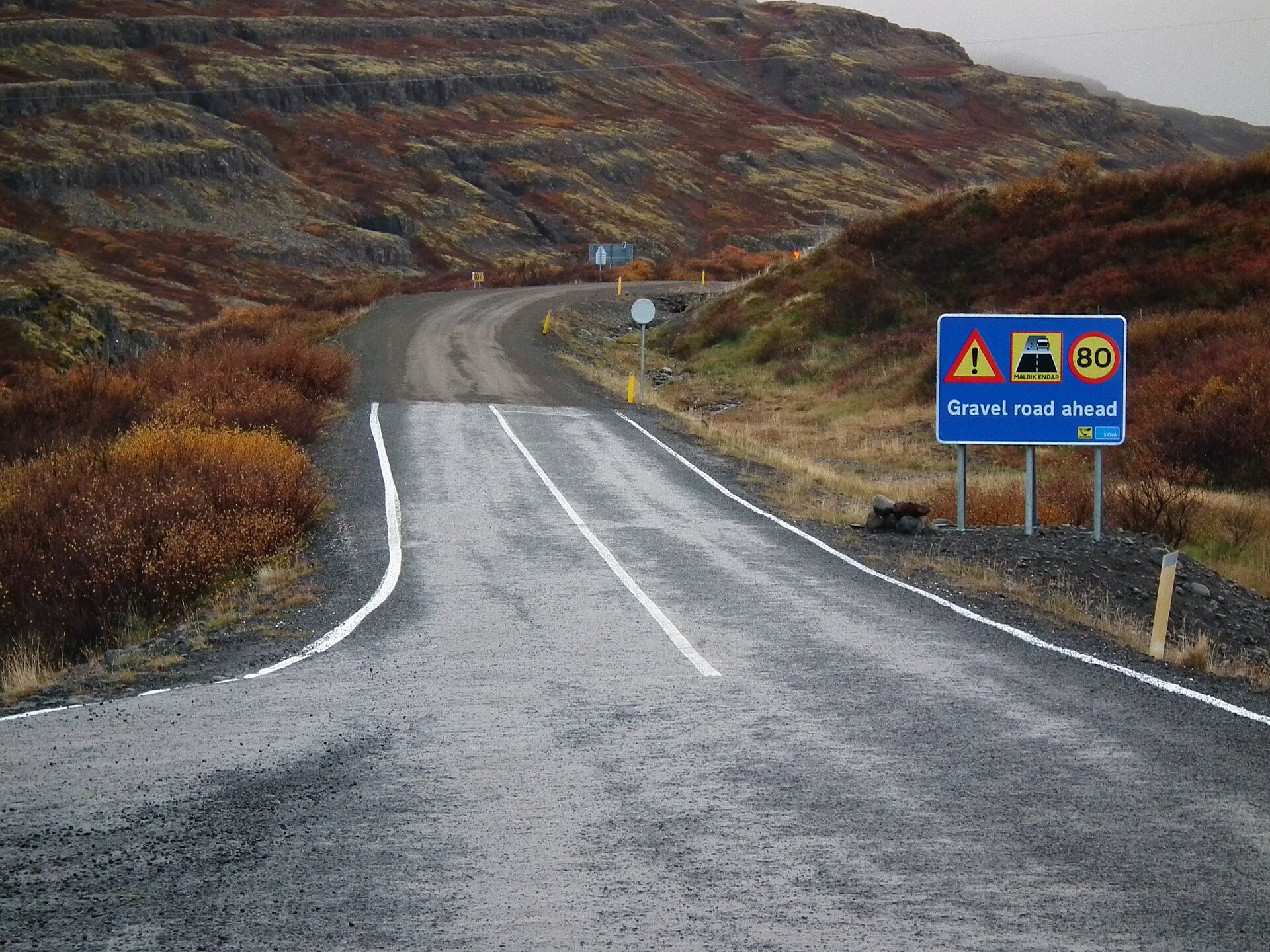
It works on summer main roads and ordinary gravel roads, costs less to rent, and leaves room in the budget for another night.
Extra ground clearance and traction help, but they do not make snow, closures or rental-prohibited roads passable.
Daylight and road conditions shift quickly in May and October; an extra day and cancellable accommodation are more useful.
Putting the roughly 15,000–35,000 ISK saving (about HK$850–2,000/NT$3,400–8,000) towards another consecutive night usually cuts down long backtracking more effectively.
“The Westfjords” on a map can mean several different drives
After you turn from Route 1 onto Route 60, the Westfjords unfold along the coast. The Breiðafjörður-side entrance can include a ferry, while the land route crosses mountain roads and long stretches with few services; at Patreksfjörður, Route 62 serves the southern towns, while Route 61 loops towards Ísafjörður and the northern fjords. When you book a car, you are choosing whether it can handle these transfers, not simply a way to reach individual sights.
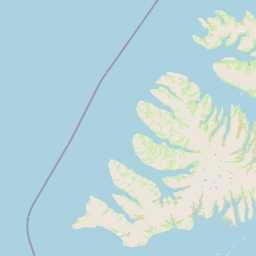
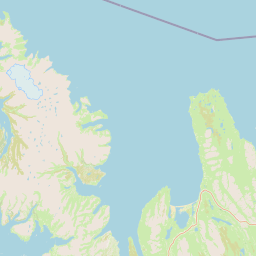
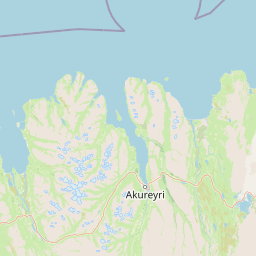
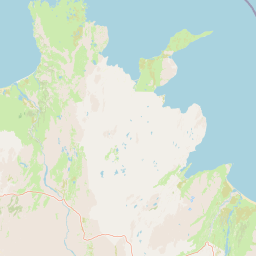
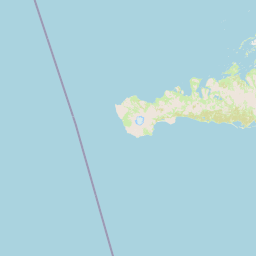
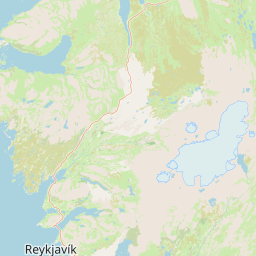
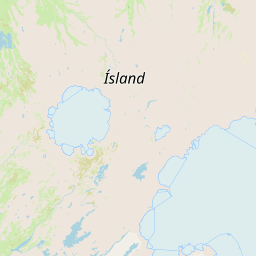
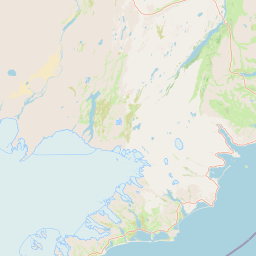
The location map places four common points together so you can see why the car and route need to be decided as one. Travelling from the south, Patreksfjörður can be your southern base; Dynjandi is near Route 60, and the stop plus walk usually needs 60–90 minutes; Látrabjarg requires the separate Route 612 branch. Ísafjörður connects northern supplies with the next day's exit, but being “near” on the map does not remove the road's bends.
Where a 2WD works depends on how you arrange the route
If your itinerary stays on Routes 60, 61 and 62 and you drive in summer daylight, a 2WD offers real value. Enter from the south, spend the first night in Patreksfjörður, visit Dynjandi the next day, then continue towards Ísafjörður: the plan is more manageable than chasing every beach. The rental saving can roughly cover HK$850–2,000 (about NT$3,400–8,000) of accommodation; on a three-night trip, one consecutive stay usually helps more than an extra driven axle.
Látrabjarg needs its own decision. Route 612 is not an ordinary urban road; gravel, potholes, fog and sea wind can make the stated driving time expand. From Patreksfjörður, the return drive plus the Látrabjarg walk, photographs and a stop at Breiðavík should be treated as most of a day to a full day; if conditions are poor, a 4x4 gives you more control but does not open a closed road. If the rental agreement restricts particular gravel roads, a vehicle marked 4x4 is still not permission to drive them.
Build a 2WD route around the point where you can turn back. If dense fog hides the bird cliffs after you reach the south, switch to the indoor Hnjótur museum or return to base early, then continue to Dynjandi the next day; booking the furthest room with no cancellation option turns the kilometres already driven into pressure. The choice becomes clearer in the three nights or four in the Westfjords question: the fourth night buys room to change course.
Three situations where a 4x4 earns its price
First, when a remote branch is the subject of the trip rather than a backup. If you want to give Látrabjarg, Rauðasandur and the southern coast several separate days, a 4x4 is better suited to long periods on slow gravel; you still need to check road information, wind and visibility each day. Second, when someone travelling with you would rather not cancel a whole day because of one muddy section: the car can ease some concerns about traction and clearance. Third, when you have enough nights to wait at your base for a better day instead of forcing an unsuitable road because you paid for four-wheel drive.
None of these replaces winter preparation. From November through April, Westfjords passes, ferries and operating hours can split the itinerary; on snow, a 4x4 still needs suitable tyres, driving experience and enough daylight. When choosing a winter car, I would put the budget first towards cancellable accommodation, food and an extra buffer day, then compare the 4x4 premium; if you can only choose one, keeping a night that lets you change route is usually the more practical choice.
Work backwards from the car to your accommodation, rather than changing base daily
Use Patreksfjörður or Bíldudalur in the south for Látrabjarg and Rauðasandur; in the north, Ísafjörður or Suðavík can handle supplies, ferries and the next day's departure. Forcing the furthest branch into the transfer between two bases creates a long day with either a 2WD or a 4x4. Start by checking the Patreksfjörður accommodation area, then ask whether Route 612 is genuinely central to your trip.
If you choose a 2WD, two consecutive nights are especially useful: give the southern coast the better weather window on day one, then head north on day two; if you choose a 4x4, do not use it as a reason to link Dynjandi, Látrabjarg and Ísafjörður all in one day. The car changes some road pressure, not the shape of the fjords.
If you would rather leave the driving to an activity team, compare the Westfjords bus and ferry plan without a car; if you want to drive to the bird cliffs yourself, read Látrabjarg by car or on a day tour first, as it breaks down the time cost of Route 612. A link helps when it appears at the point where you are deciding how to travel.
Have you matched the car to the route?
Compare 2WD and 4x4 options for the Westfjords
Enter your dates to compare the real 2WD and 4x4 price difference, then include insurance, pickup time and the number of nights in the budget.
Related reading
Turn the car decision into daily driving distances: first read entering the Westfjords from the south or north, then decide which end should take the first night.
More reading
The Westfjords destination hub, Ísafjörður and how long to stop at Dynjandi can follow naturally in the route.
Q&A | Choosing a Westfjords rental car
Do you need a 4x4 for the Westfjords in summer?
Not necessarily. The main roads and a standard itinerary are planned around a 2WD; whether you need four-wheel drive depends on the branches, road conditions, vehicle terms and how much flexibility you want.
Can a 4x4 reach everywhere in winter?
No. Closures, snowstorms, low visibility and cancelled ferries do not disappear with four-wheel drive; shorten the winter route around the roads and available daylight first.
Where should you put the money saved on a 2WD?
Prioritise cancellable accommodation, one extra buffer night, fuel and food. Accommodation is sparse in the Westfjords, so these items directly affect your ability to change route.
What is easiest to overlook when renting a car?
Check gravel-road restrictions, tyres, road categories, ferry connections, pickup time and after-hours return rules. Do not look only for the 4x4 label.
References
- Iceland road and weather information (road and weather starting points for your departure date).
- SafeTravel Iceland (driving and weather safety information).
- Westfjords transport information (land routes, ferries and entry context).
- OpenStreetMap contributors (base map and attribution for the location map in this article).