
ICENAVI ARRIVAL FIT · EASTFJORDS
Base scores after disembarking
These scores cover the factors that genuinely change the decision on ferry-arrival day, without padding the comparison with unrelated facilities.
The port is beside the town, so you can walk to your accommodation and avoid crossing the pass that day.
The next day’s roads, supermarkets, petrol stations and car-hire support are concentrated here, which suits using the ferry as your transport gateway.
Seyðisfjörður removes one mountain drive; Egilsstaðir saves the time of changing base again the following day.
Egilsstaðir is better for buying food, dealing with car arrangements, or changing northbound or southbound plans when the weather shifts.
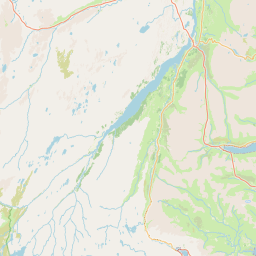
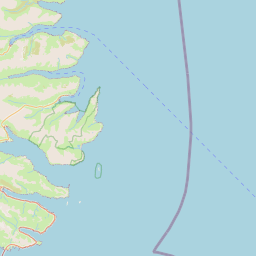
 SeyðisfjörðurFerry port / stay after disembarkingEgilsstaðirSupplies / car hire / Ring Road exitFjarðarheiði passThe variable 27 km mountain road
When the ferry docks, start with how much energy you have left
The Norröna runs between Denmark, the Faroe Islands and Seyðisfjörður each week, so arrival day is not simply a case of reaching a city in the morning. You may still have luggage to sort out from the vehicle deck, have slept poorly in the cabin and need to wait for vehicles to leave in sequence. The port is close to central Seyðisfjörður, so you can put down your larger bags, then walk towards Rainbow Street and the Blue Church. Dinner, a shower and sleep all happen within the same small town, making the arrival feel more like the beginning of the trip.
If you need to collect a hire car, buy several days of food or head towards Mývatn the next day, Egilsstaðir makes those jobs more straightforward. The crossing from the port over Fjarðarheiði to Egilsstaðir is about 27 km and takes around half an hour in good weather; fog, crosswinds or traffic can make that figure unreliable. For the wider Eastfjords geography, start with the Eastfjords destinations guide, then decide whether the arrival day deserves a night by the sea.
Stay in Seyðisfjörður: you are buying an evening without a drive
The case for Seyðisfjörður is not simply the number of rooms near the port. It is that you do not have to switch straight into road-trip mode after disembarking. Hotels, guesthouses and the port are relatively easy to manage on foot; leave the larger bags in your room, then walk towards the Fossastígur waterfalls or visit Skaftfell, the East Iceland Visual Art Centre, to see its current exhibition. None of this requires another activity ticket, yet it keeps ferry-arrival day from becoming an empty gap filled only by sleep.
There is a trade-off. Seyðisfjörður has a smaller range of supplies, so if you want several days of breakfast items, camping food or drinks for the car, buy them before boarding or before you arrive. You will still cross the pass when you leave the next day; if your next fixed activity is in Egilsstaðir or farther north, the drive needs to be part of the morning plan rather than an afterthought once breakfast and fuel are still undone. If you planned two nights in Seyðisfjörður, see how to choose a waterfall walk and decide whether day two belongs in town or in the valley.
Head to Egilsstaðir: use the East as your Ring Road transfer point
Egilsstaðir suits anyone who needs to be able to get practical jobs done as soon as places open the next morning. Supermarkets, petrol stations, car-hire services and roads towards the north are more concentrated, so topping up the car, buying simple food and sorting equipment is easier here than in the coastal town. If you are bringing a car to Iceland on the ferry from Denmark and plan to move towards Höfn or Akureyri the following day, an inland night lets you finish those errands on arrival afternoon instead of turning back.
The cost is adding a mountain road to the part of the day when you are most tired. A ferry delay, slow disembarkation or a longer vehicle collection can turn the half-hour you planned into an evening that needs a fresh decision. In winter, check road and weather conditions first; whether Fjarðarheiði is open matters more than the “27 km away” shown on an accommodation page. If you cannot drive with confidence, staying in Seyðisfjörður is usually more sensible than forcing the climb. For a winter route through the Eastfjords, see planning a winter self-drive and put daylight and road conditions back on the same timeline.
Three arrival-day patterns, four accommodation answers
| What you need to do after disembarking | Better base | Time to keep available | The real trade-off |
|---|---|---|---|
| Drop bags, walk around and rest early | Seyðisfjörður | Arrival afternoon to the next morning | One tiring mountain drive avoided; supplies need planning in advance. |
| Buy food, refuel, collect a hire car and continue the Ring Road | Egilsstaðir | Finish shopping on arrival afternoon | An easier exit the next day; you take on the pass conditions that evening. |
| See the fjords but travel a long way the next day | One night in Seyðisfjörður | Leave the following morning | You need an early start over the pass, in exchange for a coastal evening you will actually use. |
| You still have a fixed activity or flight after arrival | Choose by meeting point | Stay near the place where lateness is not an option | Do not hide transport and missed-appointment costs behind a room-rate difference. |
Count the whole leg, not just the room rate
For planning, use roughly HK$1,200–3,300 per room per night / NT$4,800–13,200 as an East Iceland accommodation range; ferry cabins, vehicles, party size and dates are separate, so one hotel-search result cannot represent the price for the whole season. A night in Seyðisfjörður may save the 27 km drive and some pass-related pressure on arrival evening; a night in Egilsstaðir may save a separate trip the next day to buy food, refuel or deal with a hire car. For two people driving, those time differences are often more important to calculate first than a room difference of roughly HK$200–600 / NT$800–2,400.
If you choose Egilsstaðir only to “keep moving” after arrival, ask whether you can genuinely complete that drive once off the ferry. If the answer depends on the ferry being on time, vehicles leaving quickly and the pass staying clear, the money saved on accommodation is buying a very narrow window. Conversely, if you have food ready on board and the next day’s route continues north-east, Seyðisfjörður is not necessarily a wasted night; it simply puts your rest closer to the port.
How the season changes the decision
From May to August, long daylight makes it easier to fit the Seyðisfjörður waterfall walk, harbour stroll and short photography stops into arrival day; there are also more seasonal activities, and staying at the port removes one extra climb over the pass if you have a fixed meeting time. From September, daylight shortens and sea wind and rain fog can affect the pass earlier, so do not promise yourself a long drive and several sights on the same arrival day. From October through April, treat Fjarðarheiði as a condition rather than carrying over the summer half-hour; if roads or visibility do not cooperate, keep a cancellable room available in the decision between Egilsstaðir and Seyðisfjörður.
For winter ferry arrivals, the most practical approach is to keep both bases on the shortlist and narrow the choice close to arrival according to the sailing schedule, roads and accommodation cancellation deadline. That gives you somewhere to put a delay. To spend two nights in the East, see the two-day Eastfjords route; if day two must cover a long distance, the previous night should serve the direction you have fixed next.
ICENAVI · ARRIVAL PICK
Write down the first job of arrival day
If you want to rest, see the fjord and walk a trail after disembarking: stay in Seyðisfjörður. If you need supplies, car arrangements and a northbound or southbound transfer the next day: stay in Egilsstaðir. If the pass is uncertain, hold a port-side room first, then decide by the actual sailing time and road conditions before the cancellation deadline. This order protects your driving margin; it does not mean booking an extra night.
Your ferry date is set; now match the arrival day
Check the sailing first, then compare both bases
Put the arrival date, vehicle, disembarkation time and next-day direction together before checking how many nights are available in Seyðisfjörður or Egilsstaðir. For the Norröna, use the operator’s sailing schedule and cabin terms as the reference; compare accommodation using the same number of nights, room type, parking and cancellation terms.
Q&A | Where to stay after the Iceland ferry
Can I drive straight from Seyðisfjörður to Egilsstaðir after getting off the ferry?
Yes. The towns are about 27 km apart and the drive takes around half an hour when weather and roads allow it; if you disembark late, still have luggage to sort or visibility at the pass is poor, staying by the port takes less effort.
Where should I stay without a car?
Seyðisfjörður is better for walking to your accommodation and taking a stroll after arrival; check local transport and bus timetables for Egilsstaðir by date, and do not treat a hire-car route as a public-transport plan.
Where should I base myself for two days in the Eastfjords?
If you want to include Seyðisfjörður and a waterfall walk, a night by the port is the more natural choice; if you want to combine supplies, Hengifoss and the Ring Road the next day, Egilsstaðir makes the transfer easier.
Should I always stay in Egilsstaðir in winter?
Do not decide from the season name alone. Check roads and visibility over Fjarðarheiði first; cancellable accommodation by the port keeps open a version of the trip that does not require taking a mountain road in poor conditions.