
ICENAVI · EASTFJORDS WITHOUT A CAR
Three days in Iceland’s Eastfjords without a car: base yourself where the buses connect
The challenge in the Eastfjords is not a lack of places to see; it is that each fjord is separated by a road with no shortcut. Without a car, a three-day trip has to link buses, transfers and walking. Choose the wrong base for one night and the next day can turn into a day spent waiting for transport.
ICENAVI · EASTFJORDS NO-CAR FIT
Four scores to check before moving hotels on a three-day car-free trip
These scores cover transport and itinerary connections only; recheck timetables, activity operations and room prices for your travel dates.
Long-distance buses, airport transfers and Eastfjords activities are more likely to meet here; still check the walking distance from your accommodation to the bus station.
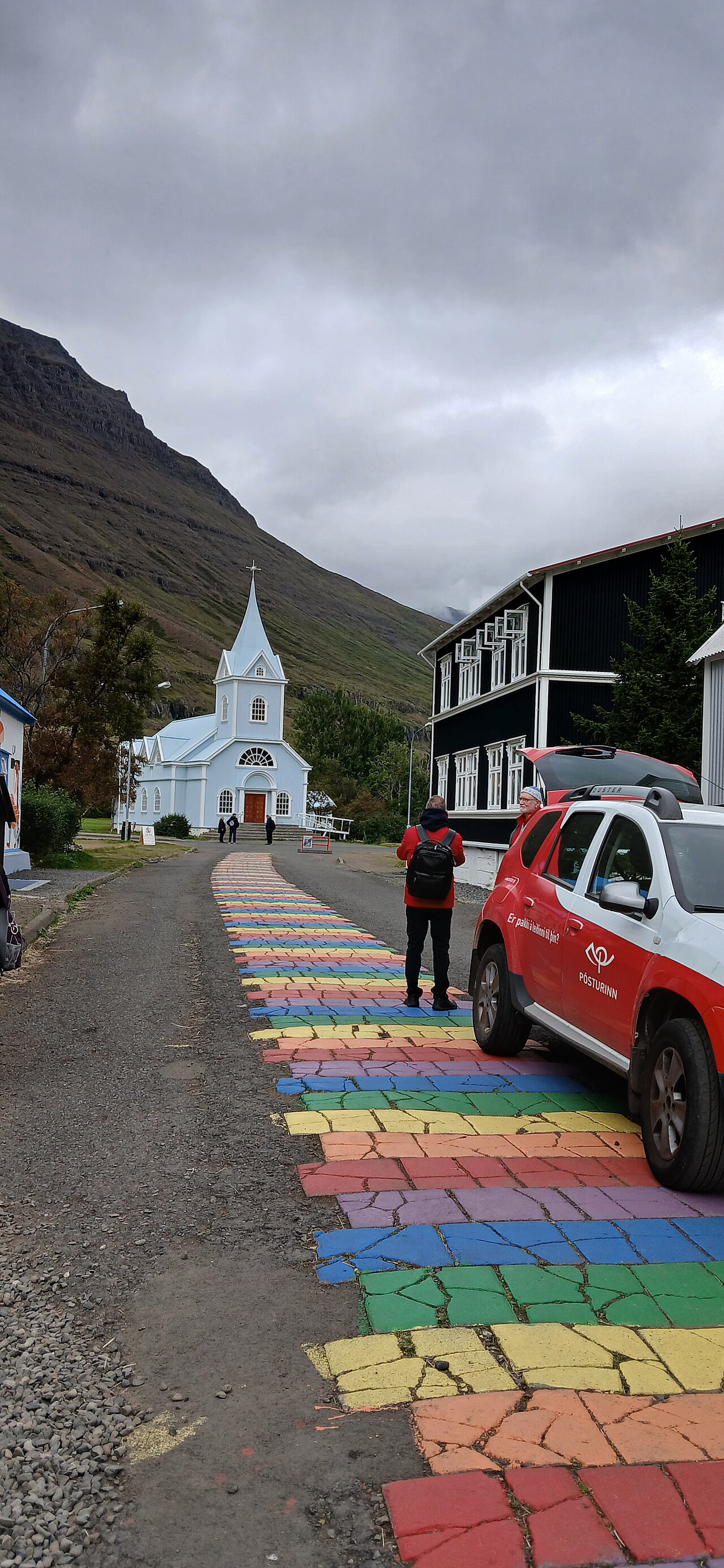
Rainbow Street, the Blue Church and the harbour work on foot; skiing, waterfalls and longer trails need a separate transfer.
Missing one bus can cost half a day; do not schedule a fjord-to-fjord transfer just one hour before a paid activity.
A hub town gives you a museum, lakeside walk or delayed transfer as alternatives; a small-town base offers fewer substitutes.
Start with the map: close on paper does not mean easy without a car
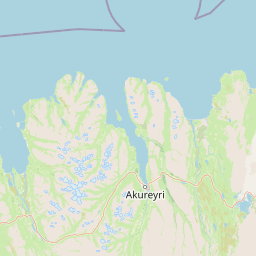
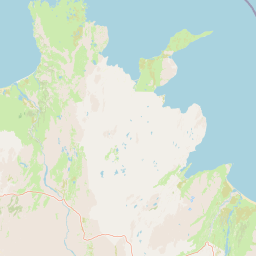
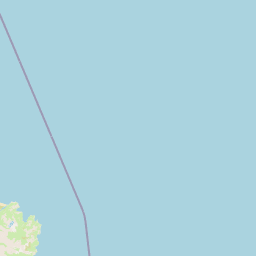
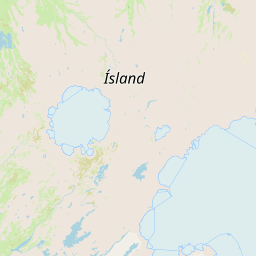
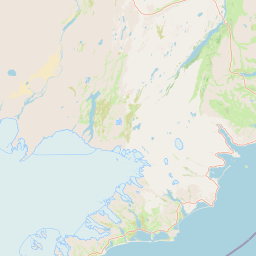
Egilsstaðir is inland, while Seyðisfjörður sits at the end of a fjord. The straight-line distance looks manageable, but the actual transfer crosses a mountain pass. Services are thinner in winter and spring; summer brings more choice, although activity transfers still run at fixed times. Write down arrival and departure separately for a car-free trip instead of relying on one navigation time.
Day one: settle the long arrival before chasing a fjord
If you are entering the Eastfjords from the north or the South Coast, make Egilsstaðir your first stop and use the day for supplies, check-in and confirming the next leg. A delayed bus, baggage collection and mountain-pass weather can easily take the afternoon; putting Seyðisfjörður on arrival day asks the final transfer to run perfectly. On a three-day trip, the first night is the worst time to lose your fallback.
Egilsstaðir works because its essentials are concentrated: supermarkets, restaurants, the bus station and activity transfers are easier to reach. Choose accommodation for its walk to the station and dinner, not just its view. If you plan a fjord activity the next day, save the meeting address, transfer details and latest return in an offline note so you can find them when the signal is unreliable.
Day two: does Seyðisfjörður deserve a full day?
If the timetable lets you arrive in the morning and return to Egilsstaðir in the evening, Seyðisfjörður suits a slow day trip. Rainbow Street, the Blue Church, the harbour and small exhibitions can be linked on foot; ask first whether a longer trail or waterfall activity includes return transport. Do not read “small town” as “everything is five minutes away”: slopes, wind and rain gear give short distances real weight.
Put the first and last bus, your accommodation and the walking route on one sheet. If the last service leaves before an activity finishes, that day does not work; stay near the activity or choose a product with transport included.
For a transfer between towns, confirm that you can board the same route after getting off and that your luggage can travel with you. If neither is clear, make the stop an overnight destination instead of relying on a last-minute ride.
The alternative is to stay in town. You gain a quieter morning by the bay and more relaxed walking, but your departure becomes timetable-dependent, and a cancelled activity is harder to replace in another fjord that same day. Two nights make sense if you want to photograph, draw or eat breakfast slowly by the harbour; if you must head south after the three days, the hub base is usually easier to manage.
If you are choosing between an activity and time in town, read where to base yourself in the Eastfjords without a car; it separates meeting points, transfers and seasonal fallback routes before you decide whether to move one night to the fjord.
Day three: southbound, back north, or leave an afternoon cancellable
Your third-day direction depends on what comes next. For Höfn, you may make a short stop in Reyðarfjörður or Eskifjörður after leaving Egilsstaðir in the morning, but first confirm that the bus allows an intermediate stop and reboarding. For Akureyri or Mývatn, avoid putting Seyðisfjörður on the final night: any delay will squeeze the long-distance connection.
Without a car, the most useful buffer is not “one more sight” but half a day for cancellations, changes and luggage. If an activity is cancelled because of sea conditions or wind, Egilsstaðir can become a lakeside walk, museum and café day; Seyðisfjörður depends more heavily on walking weather. Include that difference before booking a room.
Choosing between the three-day versions
| Version | Accommodation | Main content | Timetable risk | What remains if plans change |
|---|---|---|---|---|
| Two nights at the hub | 2 nights in Egilsstaðir | Day trip to Seyðisfjörður plus town supplies | Medium | Lakeside walk, museum, short walks |
| Slow fjord stay | 1 night in Egilsstaðir + 2 nights in Seyðisfjörður | Town walks and coastal activity | Higher | Harbour and town routes |
| Southbound transfer | 1 night in Egilsstaðir + Reyðarfjörður/towards Höfn | Short Eastfjords stop before the South Coast | High | Only the hub and next accommodation are protected |
A three-day car-free trip cannot treat every fjord as a separate checklist stop. Each additional transfer adds another chance of waiting half a day or a full day after a missed departure. Are you really buying one less luggage move, or exchanging it for another sunrise? Answer that first and the choice becomes clearer.
Put activities, accommodation and buses on one timetable
For a sea, hiking or photography activity, ask four questions first: Is the meeting point walkable from your accommodation? Is there a return transfer after the activity? Can you reschedule after a cancellation? Do you still have a long-distance connection the next day? A two-hour activity does not mean you are back in your room two hours later; dressing, waiting and walking need their own allowance.
Compare accommodation by total cost. Staying in Seyðisfjörður may remove one daytime transfer, yet add a night with fewer room choices and an earlier-departure constraint; Egilsstaðir trades some scenery for the station and supplies. If you are deciding only on a summer activity date, rooms may already be disappearing, so secure the non-negotiable activity first and then compare the two bases.
For a two-day Eastfjords self-drive route, see the two-day Eastfjords route; it shows which stretches a car makes longer and, by contrast, what a car-free version should cut. If you want to fit summer puffins, boats and trails into three days, the summer three-day Eastfjords itinerary arranges them around activity windows.
If you are entering the Eastfjords with luggage from a ferry or domestic flight, add time for baggage collection, finding the stop and waiting for the transfer. Two nights in Egilsstaðir let you clear those practical tasks on the first evening, leaving the next day open for Seyðisfjörður. If a travelling companion gets carsick, do not assume that a coastal activity can start immediately after arrival; bends and wind on fjord roads can turn a short transfer into a half-day that needs a pause.
Cost comparisons should also include short transfers, luggage storage and one breakfast. A fjord stay may not have a supermarket or dinner option at every time of day; a slightly higher room price in the hub can save money on last-minute changes and eating out. These are easy costs to miss, but they directly affect which base is sensible.
Count the final night as part of the route. If you are heading to Höfn the next day, staying in Egilsstaðir reduces morning uncertainty; if you are simply returning north, Seyðisfjörður’s slower pace can work, provided the first transfer and the long-distance bus have enough separation. A car-free trip becomes fragile when all its flexibility has been spent in the first two nights.
Dates set for the Eastfjords?
Compare accommodation by transfer position before adding activities
Put buses, transfers, activity meeting points and your next destination on one sheet, then choose the hub or the fjord.
Related reading
If you are still choosing between Egilsstaðir and Seyðisfjörður, start with where to base yourself in the Eastfjords without a car.
More reading
To connect the Eastfjords to a ring-road trip, see the Eastfjords destination guide and the two-day Eastfjords route.
Q&A | Three days in the Eastfjords without a car
Can I stay in Seyðisfjörður for all three nights?
Yes, but you will have fewer transfer and supply options. If you need a long-distance bus or ferry on day three, the final night in Egilsstaðir is usually easier to control.
Will a day trip to Seyðisfjörður feel too rushed?
That depends on the day’s timetable. The town has enough walking content for half a day to a full day; add a remote activity only when you have allowed for transport and a fallback after cancellation.
Can I reach Eastfjords coastal towns without a car?
Look into buses or local activity transfers, but do not treat every leg like an urban bus route where you can hop on and off at will. Confirm the service, stops and return journey before deciding whether moving hotels is worthwhile.