
What carry-on luggage actually changes on day one
After arriving at KEF, travelling without a checked bag usually removes one baggage-belt step. You may reach the public area sooner, buy a SIM or eSIM, collect a car or meet a transfer. Flight time, jet lag and early-morning queues still exist; one person moving quickly with a small case does not mean two people are ready for a long drive the same day. The time you can realistically reallocate is often forty-five minutes to an hour, not an entire afternoon.
Treat that time as three allowances: keep twenty minutes for leaving the airport and using the toilets, twenty minutes for rental paperwork, checking the vehicle and setting the navigation, and use the remainder as an activity buffer. If every minute saved is committed to a non-changeable Blue Lagoon slot, a delayed flight simply makes you queue again somewhere else. The value of travelling light is flexibility.
After leaving KEF, what should you handle first?
If you are driving, confirm whether the pick-up point is inside the terminal, whether a shuttle is involved and when your booked desk opens. Carry-on luggage does not make a desk open outside its business hours, nor does it simplify the licence, credit-card and driver details required by the rental agreement. If the paperwork is incomplete, having one fewer bag only gets you to the counter earlier to wait.
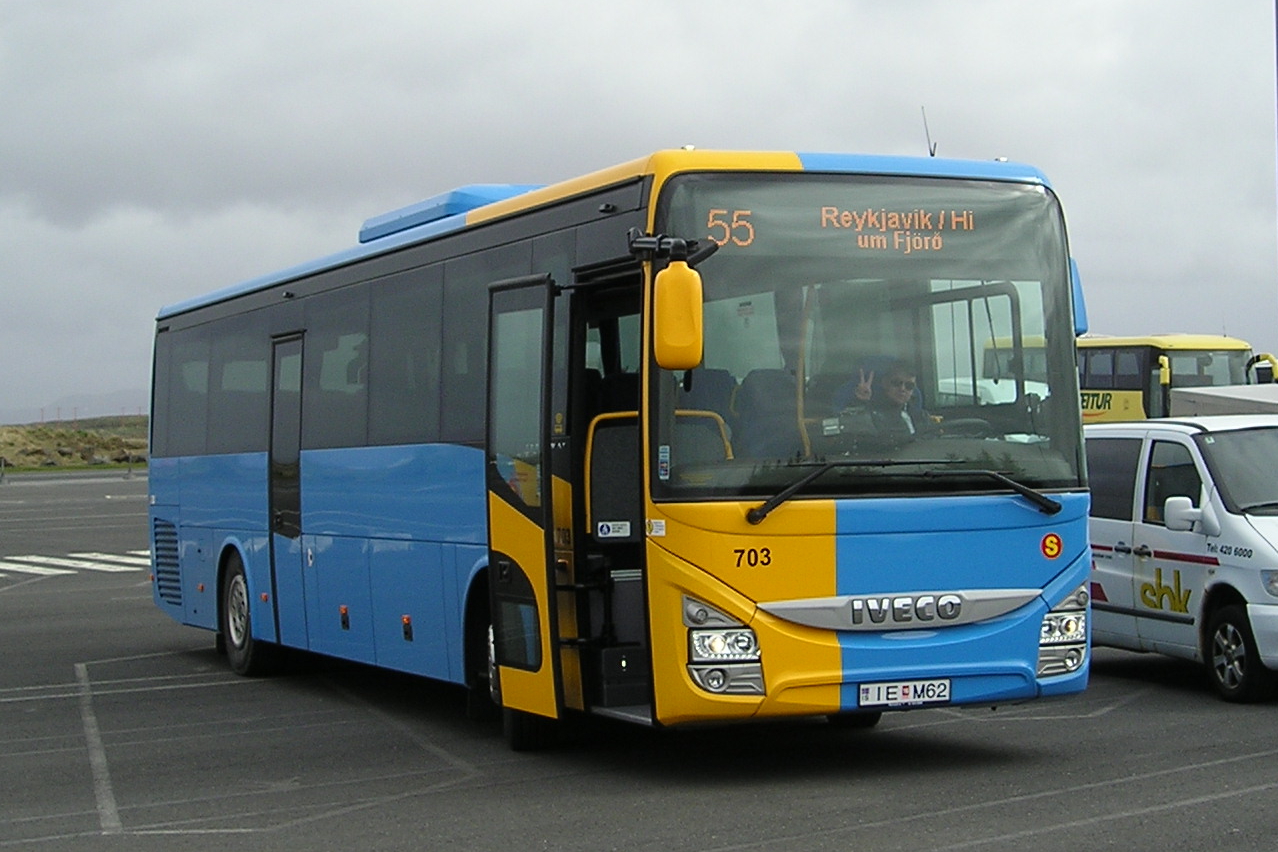
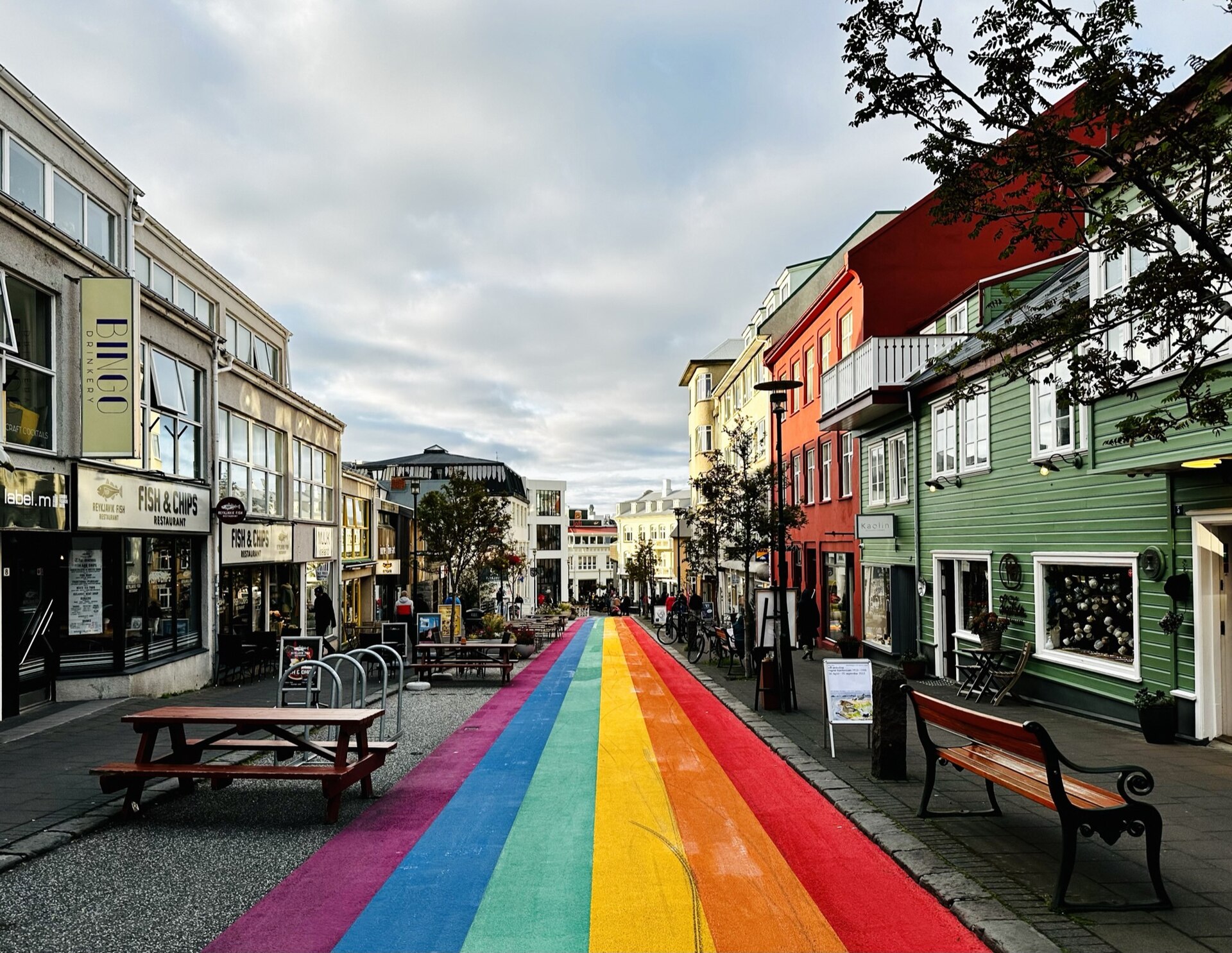
If you are not driving, the airport bus or taxi decision is quicker. With a small bag, it is easier to go straight to Reykjavík accommodation and leave the first day for a café, pool or indoor attraction. If you planned to collect a car the next day, there is no need to rent one day early just to feel that you have started sooner. Rental, parking and insurance can consume the time saved by travelling light.
| Arrival situation | More suitable plan | What you actually gain |
|---|---|---|
| Morning arrival, desk open, stable weather | Take the car to one activity near the airport | Less baggage waiting, with a cancellable afternoon option |
| Early arrival after poor sleep | Go first to a KEF or Reykjavík hotel | Less tired driving and a better chance of an early start tomorrow |
| Blue Lagoon booking cannot be changed | Keep accommodation and activity in the same direction | One fewer return journey and less risk of losing the ticket |
| Winter arrival in the afternoon | Skip the South Coast and keep the first night near the airport | Pay for a room to preserve road and daylight margin |
Blue Lagoon can be earlier, but it is not a luggage reward
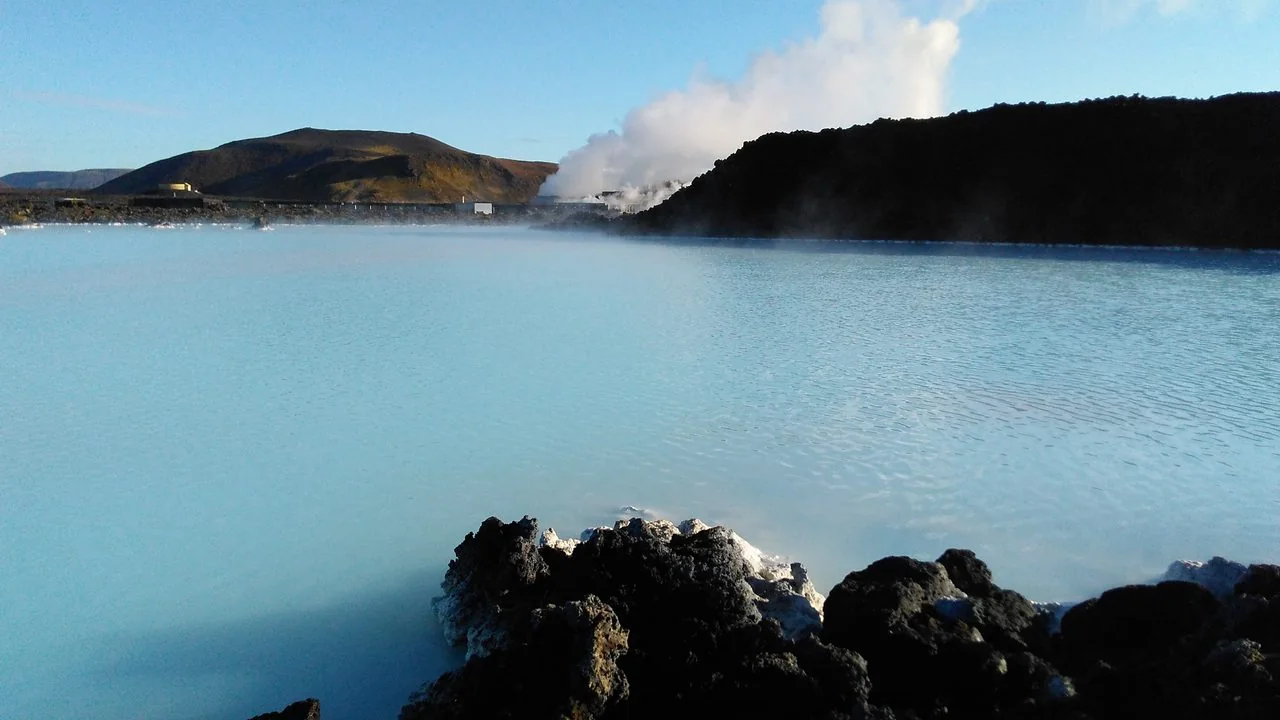
Carry-on luggage does suit a Blue Lagoon stop because there is no bag collection, storage search or clothing reorganisation. You still need to manage the booking, transport, swimwear, shower items and warmth after leaving the water. The route from KEF to Blue Lagoon is short and clear; continuing from Blue Lagoon into the city or back towards the airport depends on the direction of the following night. If you head south tomorrow, one night on Reykjanes after the lagoon can remove a cross-city return. If you are joining a city day tour tomorrow, staying in town is more efficient.
Leave space between the flight and your Blue Lagoon booking. A morning landing does not guarantee a free morning; the activity page offers time slots but does not absorb flight delays. Use the carry-on advantage to choose a wider window rather than chasing the earliest entry. If you are comparing Blue Lagoon with Sky Lagoon, make the choice from your arrival and departure direction, not only from the photographs.
Which mistake should your first-night hotel absorb?
Hotels near KEF suit late arrivals, early flights the next day and drivers who do not have the energy for another road after returning the car. They save the final airport kilometre, night-time wayfinding and the pressure of getting back to the terminal before dawn. If you arrive in the morning and want city restaurants to be the main event, an airport hotel may instead add another transfer into town. A Reykjavík city-centre hotel suits non-drivers and travellers who want indoor attractions in the afternoon; it saves parking and evening short drives, but not the next day’s distance to the South Coast.
If you plan to drive straight to Hella or Vík, the hotel location begins to shape the route directly. On day one from KEF, carry-on luggage makes it easier to organise inside the car, but it does not mean you should combine South Coast waterfalls, Blue Lagoon and black-sand beaches. Hella moves the first South Coast section earlier on day two; Vík shortens the following eastbound drive. Both choices depend on arrival time and driver condition. Compare KEF early-flight accommodation and South Coast base options before deciding whether carry-on luggage truly changes the first night.
Carry-on luggage has a different advantage in winter and summer
From June to August, long daylight makes the saved time easier to turn into a city afternoon or a coastal stop near the airport. Peak-season rooms and activities disappear first, though, so do not rely on adding plans at the terminal. In April–May and September–October, the daylight and road window is shorter, so an earlier airport exit still has to make room for a weather check. From November to March, snow, wind and low-angle light can make an extra hour less valuable than a long drive; sleeping first often lets you cover more on day two.
Clothing is the hidden cost of travelling with a carry-on. Compression bags can contain a down jacket and warm layers, but they cannot dry a wet coat. If the first day brings rain or snow, drying space, heating and somewhere to hang outerwear can influence tomorrow’s departure more than one missing suitcase. Carry-on luggage changes how quickly you move; it does not change Iceland’s wind.
Turn arrival day into a risk budget
The common planning error is counting what you can complete without counting what a mistake will cost. I divide each plan into fixed, reversible and fatigue costs. Fixed costs include non-refundable tickets, a collected rental car and a non-refundable hotel; reversible costs include a cancellable coastal stop, supermarket visit or early check-in. A high fixed-cost activity needs a window at least three hours after the flight; a reversible coastal stop can wait until you collect the car and check the wind. Use the time saved by carry-on luggage to add reversible choices, not more fixed commitments.
Write down each transfer friction: walking from the terminal to the pick-up point, waiting for a shuttle, collecting and inspecting the car, adjusting the seat, finding fuel, parking, changing clothes and locating the hotel entrance. Each item may look like ten minutes, but together they can take an hour. With two people, add discussion, photographs and toilet stops; the map’s driving time cannot equal door-to-door time. After a swim, a wet towel and warm clothing add more packing friction. That is why “Blue Lagoon is close” does not mean “Blue Lagoon takes only two hours”. Put the friction in the table before trusting a straight-line distance.
Use three thresholds for the decision on the ground. First, time: consider a booked activity only if more than ninety minutes of buffer remains after leaving KEF. Second, physical condition: the driver must be alert enough for the handover and first stretch of road, and everyone must be able to stay warm outside. Third, fallback: after cancelling the activity, there must still be a room, food and safe transport. If any one threshold fails, reduce day one to accommodation, a meal and drying clothes. That contains one delay within arrival day instead of letting it affect South Coast accommodation, activities and tomorrow’s departure.
One map: choose one direction on day one
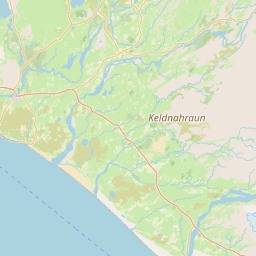
 KEFArrive and collect carBlue LagoonNear-airport activityReykjavíkCity first nightHellaFirst South Coast night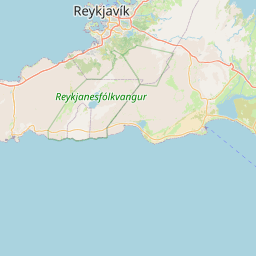
Put the time you saved into your arrival plan
Set a cancellable near-airport activity first, and leave the long drive for after a proper sleep. With a morning arrival, stable weather and a smooth handover, the saved wait can become time at Blue Lagoon or on the Reykjanes coast. If the flight is delayed, the wind rises or a rental document causes trouble, drop the add-on and keep the first night unchanged. The route then survives one bad variable.
Test that instinct against the cost: assume one airport-hotel night for two costs about HK$1,600 (about NT$6,400), while extra rental time, fuel and parking after collecting the car early total about HK$700. If the night removes an hour of driving tomorrow and gives you a reliable activity window, it may be worthwhile; if it is only for a stop you can reach conveniently the next day, you are paying to bring the fatigue forward. Recheck prices for the dates you need; this estimate is for comparing decisions.
Carry-on luggage makes arrival a little lighter. Its useful purpose is to keep the choice open until you leave the airport. You can leave earlier, eat earlier or reach the hotel earlier, while sleep, weather and the next night’s location still get a say.
Related reading
Start with arrival day
Replan the first night after delayed luggage
KEF to Reykjavík first-day transport
One night near Blue Lagoon
More to read
Plan the next night
KEF early-flight accommodation
Four-day Iceland South Coast
Reykjanes destination guide
Q&A · Carry-on arrival day
Should I hire a car immediately with carry-on luggage?
Only when the desk is open, the driver is fit, the weather is suitable and the first-night direction makes sense; fewer bags do not remove the paperwork or vehicle inspection.
Is carry-on luggage a good reason to visit Blue Lagoon on arrival day?
It works when Blue Lagoon and the first night lie in the same direction and the booking leaves delay margin. Do not use the luggage advantage to chase the earliest slot.
Should I stay near the airport in winter?
For a late arrival, wind or snow, or an early flight, an airport hotel can remove the final kilometre and tired driving. With a morning arrival and a city-centred plan, it may not.