
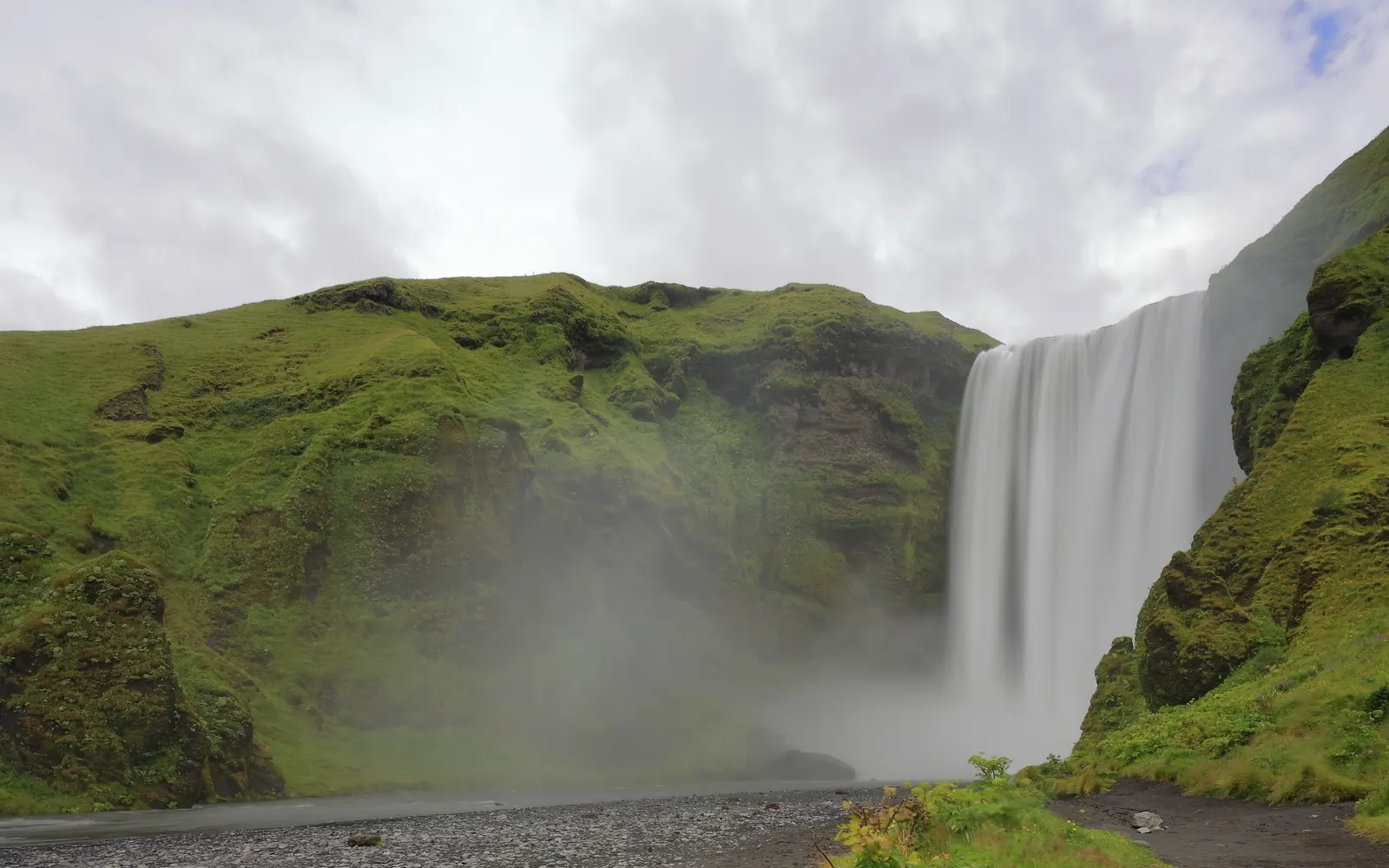
ICENAVI DECISION FILE · SKÓGAR MUSEUM
The museum sits in Skógar village and brings together folk collections, open-air buildings and transport displays. The ticket is worth considering when you are willing to trade a half-hour waterfall stop for roughly one to two hours of cultural context.
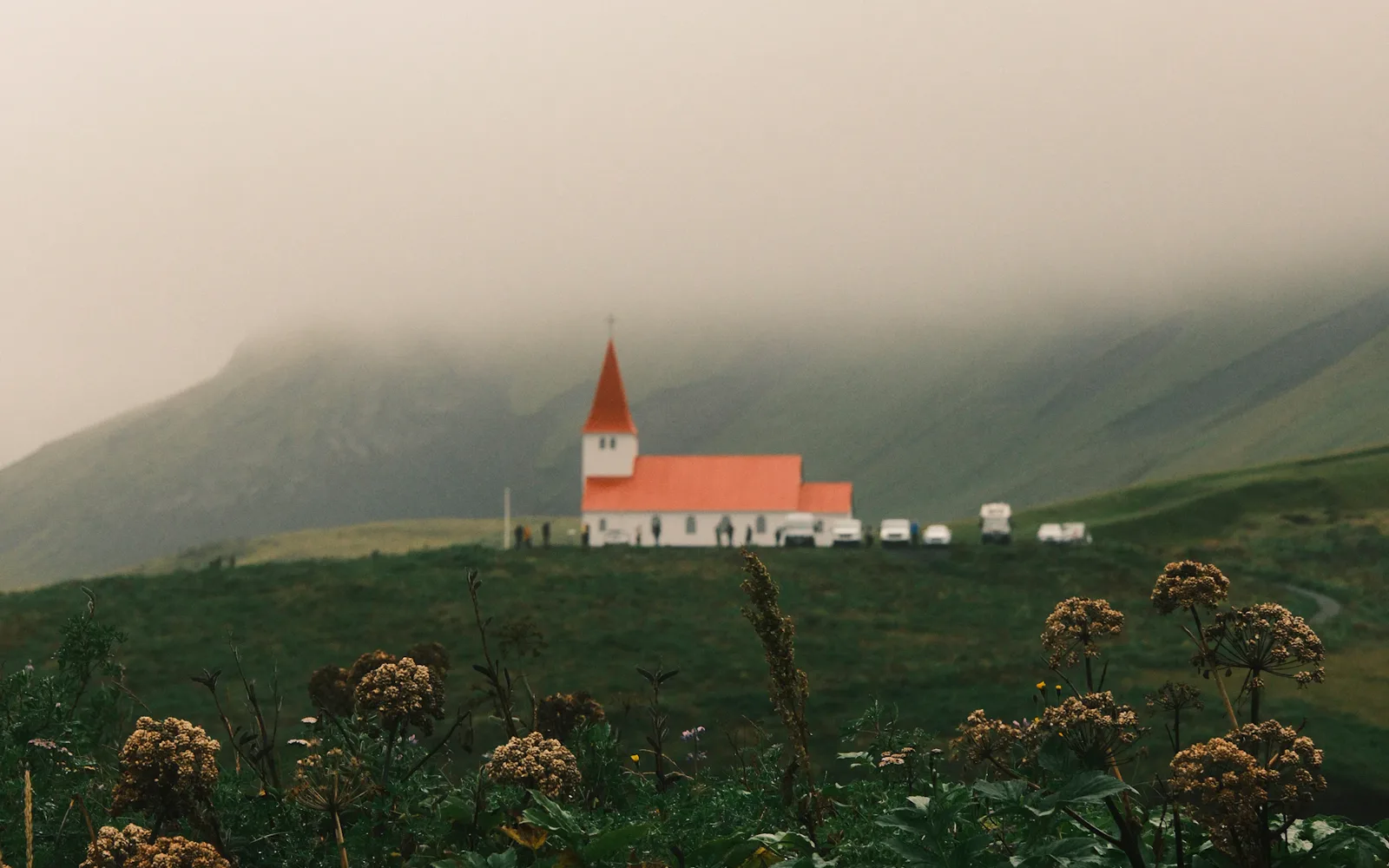
What this stop adds beyond the waterfalls
Skógar Museum combines a folk museum, an open-air museum and a technical museum, covering farming tools, fishing, transport, housing and early communications. The indoor galleries give you material to explore in bad weather, while the outdoor area contains turf-roofed houses and historic buildings. After Skógafoss, the focus shifts from falling water to how people lived on this windy land. That change of subject is more useful than finding another angle on a waterfall.
The walking is easy to underestimate. You move repeatedly between the car park, entrance, indoor galleries, open-air buildings and vehicle displays, so waterproof shoes matter more than carrying only an umbrella. Children often respond more to boats, buses and tools than to text-heavy cases; adults can use the museum as a reference point for understanding South Coast settlements. You do not need to see every exhibit. Set a time to leave that matches the rest of your day.
How to fit ticket cost and opening hours into the day
The museum changes its opening hours by season, so check the Skógar Museum page for the day you travel. Long summer daylight leaves room to visit after the waterfalls; in winter, if you arrive in the afternoon, confirm ticket sales and the last admission time before deciding whether to drop Kvernufoss. Prices vary by adult, child and family combination, so do not apply an old seasonal figure to your travel date.
It helps to consider the admission cost and the time cost together. The ticket is only one part of the equation: walking from Skógafoss, parking, storing wet outerwear and getting back to Route 1 all use South Coast time. If a glacier hike follows, shorten the museum to 60 minutes rather than losing your check-in buffer. A day without a fixed activity is the better setting for a complete look around the open-air area.
| Day conditions | Plan | Time budget | Trade-off |
|---|---|---|---|
| Rain continues and the waterfall viewpoint is unpleasant | Make the museum the main stop | 90–120 minutes | Trade one outdoor waterfall for complete indoor content |
| Clear weather with only four hours left | Skógafoss plus Kvernufoss | 30–60 minutes each | Save the museum for a rainy day or skip it |
| A glacier activity has a fixed meeting time | Make a short museum visit | 60 minutes | Protect check-in and parking buffer |
| Children or companions do not want to get wet | Indoor galleries plus a short outdoor section | 75–90 minutes | Nobody has to complete the full waterfall walk |
Location: a useful reset point in the middle of the South Coast
Skógar Museum sits along Route 1 in the middle section of Iceland’s South Coast, close to Skógafoss and Kvernufoss. Check the direction of all three on the map before choosing whether to arrive from west to east or east to west. From Reykjavík, Seljalandsfoss and Gljúfrabúi usually come first; by the time you reach Skógar in the afternoon, the museum can absorb a change in weather. Travelling west from Vík requires more care: do not discover after entering that your glacier activity has already started.
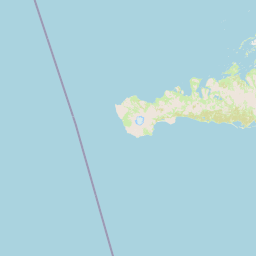
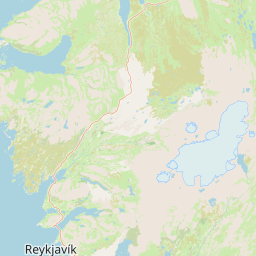
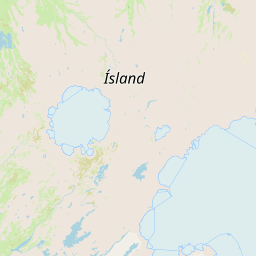
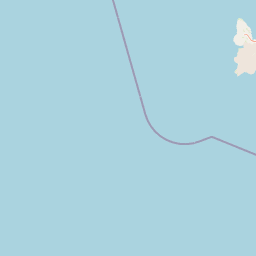
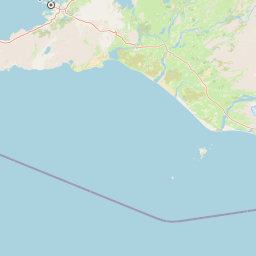
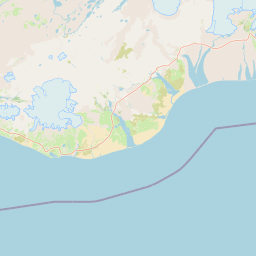
Skógar MuseumSkógafoss
Skógafoss waterfallKvernufoss
Kvernufoss waterfallRoute 1
Main road
Clear weather and bad weather need different plans
On a clear arrival at Skógar, start at the Skógafoss viewpoint, then judge your energy and next stop. The waterfall is beside the main route and easy to photograph outdoors; the museum costs money and asks for a longer visit. If Reynisfjara is also on the day, you may need to choose between them. For a South Coast glacier activity, I would keep the museum as a 60-minute fallback and visit the open-air area only if you still have energy afterwards.
Rain changes the logic. Spray at Skógafoss combined with crosswinds can shorten the photography stop, while the museum provides a dependable stretch of indoor time. Check that it is open, then shorten the outdoor time at Seljalandsfoss or Skógar. The point is to avoid spending the whole day in the car with wet coats, not to collect the maximum number of sights.
Where you stay and return changes the answer
If you are staying in Vík, the museum fits naturally into the early part of a westbound day. From Hella or Selfoss, it can work before the return journey, making the middle South Coast a half-day cultural stop. If Jökulsárlón is next day’s eastbound destination, do not push back your Vík check-in because the open-air museum took longer than planned. Check how many nights to stay in Vík, then decide whether to visit before check-in or after setting out the next morning.
Day tours from Reykjavík usually include Skógafoss as a fixed stop but may not include museum admission; a self-drive gives you more control. If you want to add the cultural stop to a fixed-activity day, check the time cost of a day tour, then compare it with a South Coast waterfall self-drive route. This makes clear whether you are paying for transport logistics or for the museum’s own time on site.
Which part of the route makes the most sense
Driving west to east, Seljalandsfoss and Gljúfrabúi are usually best handled in the morning, followed by Skógar in the afternoon. A museum stop gives you an indoor fallback if rain arrives, and you avoid finding that the waterfall viewpoint is close to sunset after you leave. Driving east to west means checking your Vík departure time first. If you have already walked Reynisfjara, Skógar Museum can be a mid-route rest, provided you leave enough time to reach Hella or Selfoss.
The museum and glacier activities run on different rhythms. Glacier hikes, snowmobile trips and lava-cave tours all have meeting and equipment times, so “nearby” is not a useful buffer. After parking at Skógafoss, allow at least fifteen minutes to walk to the museum; after an activity, first confirm that tickets are still being sold. If the activity runs late, the museum is the stop to cut. Check-in and the return drive are not.
The open-air buildings are most rewarding in clear weather: turf houses and older homes need time outside. In winter, ice, mud and crosswinds make the same path feel longer than it looks on a map. In rain, start with the indoor galleries and reduce the outdoor section to a few buildings near the entrance. When taking photographs, include the farming tools, boats and household objects beside the buildings; they are what separates this stop from a scenic pull-off.
ICENAVI South Coast culture stop score
The score measures how much it helps a South Coast itinerary; it does not rate personal exhibit preferences or the museum’s operating status on a particular day.
Skógar Museum is most useful when it fills the gap between “we have seen enough waterfalls” and “it is too early to check in”. If you are willing to spend one to two hours understanding South Coast life, it has a clear purpose. If you only want a few waterfall photographs, staying at the falls is more efficient. Put opening hours, tickets and the next day’s direction into the itinerary before you leave.
If the museum is your rainy-day plan, write both versions before setting out: waterfalls and coast in clear weather; a short waterfall stop followed by the museum in rain. That avoids reopening the question in the car park. After the indoor visit, leave a quiet stretch in the car, which is particularly helpful on a day built around transitions.
It also suits travellers who are not especially interested in Icelandic history but want to understand the landscape. The fishing, farming and transport material explains why South Coast settlements cluster around roads and the coast. Later, turf houses, old harbours and isolated farms read as part of a lived landscape rather than background scenery.
Set a firm departure time, such as leaving at 14:30, and stop adding sights after that point. South Coast wind and traffic can slow the plan; a clear boundary keeps the museum as a useful reset rather than another rushed photo stop.
If dinner is booked in Vík, continuing straight along Route 1 to your accommodation after the museum is more reliable than adding a beach stop on impulse. If you are staying in Hella, the museum can be your last stop before arrival, with the cultural visit completed before check-in.
South Coast culture stop decision
Ready to place the museum in your day?
Use the waterfall order, weather and your next base to choose a slot that does not collide with a fixed activity.
Related reading
If you are choosing between Skógafoss and Kvernufoss, start with the two-waterfall comparison before adding the museum.
Keep reading
See the South Coast waterfall day drive, Vík accommodation and South Coast destination guide.
Q&A · Skógar Museum
How long should I allow?
Allow about 60 minutes for the highlights, or 90–120 minutes for the open-air buildings and transport displays.
Is it suitable in rainy weather?
Yes. The indoor galleries turn a windy, wet period into useful cultural time; choose the outdoor section according to the conditions.
Can I just see the waterfalls and skip the museum?
Yes. When clear-weather time is tight or a glacier activity is booked, prioritise the waterfalls and the fixed meeting time.