
ICENAVI · WEST COAST DRIVE
Hvalfjörður Tunnel or Route 47? How to Choose on a West Iceland Self-Drive
Quick answer: Take the Route 1 tunnel when Akureyri, Borgarnes or the next hotel has a fixed arrival time. Choose Route 47 when you can give Hvalfjörður at least half a day and want the fjord, waterfalls and coastal history to be the destination. It is a slower road with stops and short walks, not a quick scenic loop.
ICENAVI ROUTE FIT
Do you need speed today, or a worthwhile detour?
Scores weigh time cost, stop density and the next overnight exit.
Few stops and a clear arrival make the tunnel the stronger choice when time is fixed.
The fjord combines water, mountain walls, waterfalls and traces of earlier use.
Route 47 needs driving time, parking, short walks and room for weather to change the plan.
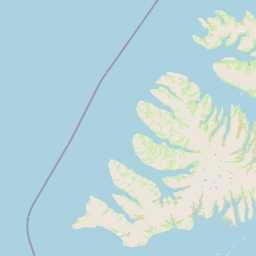
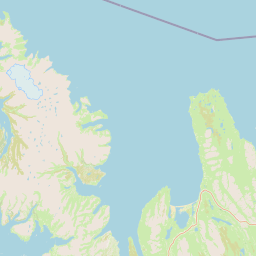
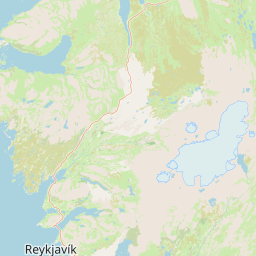
 ReykjavíkRoute 1 / tunnel southHvalfjörðurRoute 47 coast roadBorgarnesRoute 1 north
The two roads serve two different decisions
The Route 1 tunnel is a transfer tool. Driving north from Reykjavík, you pass the fjord entrance directly and reach Borgarnes, Route 1 and the West Iceland interior sooner. When the evening includes a hotel check-in, a cave-activity meeting point or a Snæfellsnes sailing, the tunnel protects the second half of the day.
Route 47 turns Hvalfjörður into a half-day destination. The fjord is deep, and its mountain walls and water stretch the drive into a slower line; along the way you can stop at Botnsdalur, waterfall paths and coastal heritage sites. Each stop costs time for getting out, finding parking and getting back on the road, in exchange for quieter scenery close to the capital.
Start by asking what time you must meet next. If the answer is “reach Borgarnes before 4 pm”, the tunnel is the sensible choice; if the answer is “only reach a West Iceland overnight base this evening”, the fjord road has room. This is more reliable than looking only at kilometres, because driving and stopping beside the fjord will not follow a neat navigation estimate.
How to plan a half-day along the fjord
Leaving Reykjavík, take Route 47 north, choose one or two short stops, then rejoin Route 1 at the northern end. The Botnsdalur waterfall walk needs more energy and suitable footwear; a coastal platform works better if you want a brief stretch and photographs. Do not try to collect every minor turn in one day. The value of the fjord is taking it slowly.
If you have already eaten breakfast in the city, pack lunch and a hot drink in the car. Route 47 has few places to replenish supplies, and searching for a restaurant at the last minute can turn a comfortable detour into a race. After parking, check the wind before opening the door: on the shore, a gust can pull a car door wide and send luggage or hats on their own journey.
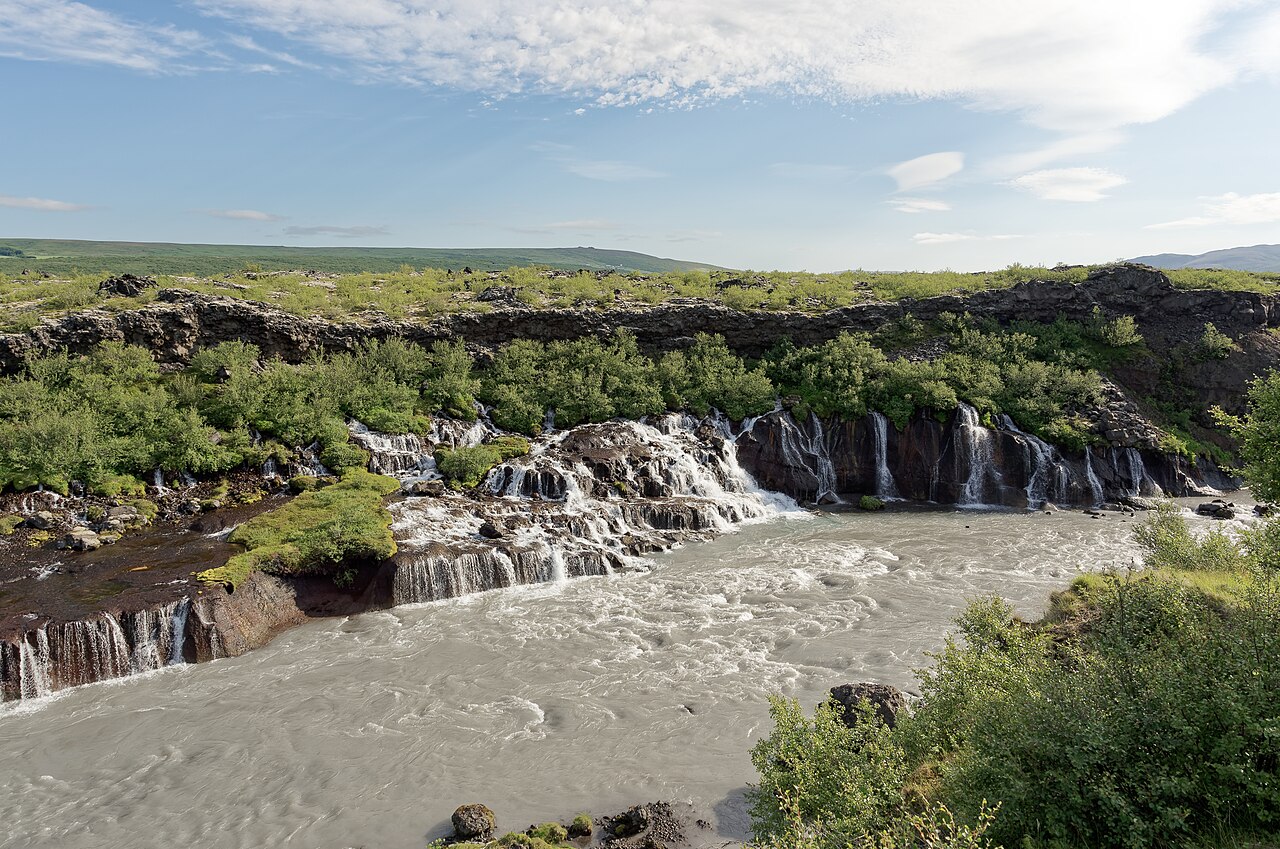
If Hraunfossar or Reykholt is planned for the afternoon, the fjord can be your morning section; travelling back from Borgarnes to Reykjavík, it works better as the final natural stretch. You can pair it with the Hraunfossar and Barnafoss stop, but first confirm the direction of your evening accommodation so that one day does not send you back along the same road twice.
Time and cost go beyond the tunnel charge
The tunnel option has a clear cost: it is shorter, uses less fuel and asks less of the driver. The fjord option appears to save a fast passage, but adds driving, parking, photographs and possible turning-back time. If you have paid for a West Iceland activity and the detour makes you miss its meeting time, the amount saved has no practical value.
Route 47 is not necessarily expensive, because the shore and walks themselves are free; the real cost is which other stop you give up. If you planned to visit a museum in Borgarnes or check in early, put that time back into the comparison. Every travel day has a limit, and a free viewpoint still uses it.
Drivers of rental cars should also plan fuel. Fill up before leaving the capital, and do not run the tank down to the warning light on Route 47; winter headwinds can raise fuel use. Keep an ice scraper, warm water and an offline map in the car, so a turn without signal does not become a roadside research session.
Choosing between history and open scenery
Hvalfjörður's shore has Second World War naval-base remains, farms and traces of older roads, making it a good fit for travellers interested in the stories behind a landscape. These are not major attractions that reveal everything at a glance. They usually reward reading signs, taking a short walk and imagining how the fjord was used. If waterfalls are your only priority, skip these stops; if you like to read a route as a whole, the shore adds a layer of context that the tunnel cannot.
The landscape is about scale. From the car window, the fjord is beautiful; only after stepping out do the distance between the mountain walls and the width of the water become clear. Overcast weather softens the colours and can make reflections easier to photograph. In bright weather, light changes quickly, and the east and west sides may not have good light at the same time. Prepare the camera inside the car, then walk straight to the platform after parking.
If you have already planned a Hvalfjörður destination guide, reorder it around the fjord, walks and the next day's exit. The destination page is for understanding the geography; this page handles the timing decision of whether to take the detour today.
Practical choices in winter and the shoulder seasons
Winter daylight is short, so every stop on the fjord road takes light away from the return drive. Before setting out, keep Route 47 as a fallback rather than your only main road. If wind, snow or visibility deteriorates, turn back to Route 1. The tunnel gets you to your accommodation earlier, leaving energy for a longer walk the next day.
Spring thaw can make road shoulders muddy, so wear waterproof shoes for short stops. Fjord wind direction changes quickly, and a rain jacket is more useful than an umbrella; fasten hat cords before leaving the car, and keep one hand free for balance along railings. In winter, never cross a barrier to photograph frozen water: the thickness of near-shore ice cannot be judged by eye.
Summer daylight lets you leave the fjord road until later in the afternoon, but still check the accommodation check-in and activity meeting time. When visitor numbers rise, parking queues grow; complete the platform you most want to see before deciding whether to continue. If you are meeting a Snæfellsnes sailing that day, Borgarnes is an important exit, so do not use every flexible minute on the fjord.
Your overnight base changes the answer
Staying in Reykjavík and heading north the next day makes the fjord road a possible half-day before leaving the city, but luggage is already in the car, so parking and security need attention. Staying in Borgarnes lets you turn onto the fjord late the previous day and head west or north directly the next morning, avoiding one cross-city return. If you are staying in Reykholt or Húsafell, the fjord is only one part of the day; check the inland activity meeting time before adding it.
For the distance between West Iceland accommodation and activities, see the Borgarnes destination guide. A fixed dinner time usually favours the tunnel; when your accommodation is itself part of the fjord route, the detour is no longer an extra cost but the day's subject.
Do not choose the fjord simply because it is free. Compare what you are willing to give up: an hour of sleep, a museum, or some return-drive buffer. Once that answer is clear, the road choice follows.
The final route decision
If you must travel from the capital to the north within two hours, use the tunnel; if you have half a day, stable weather and an interest in coastal history or waterfalls, use Route 47. Treat the fjord road as a destination that needs time and attention, and the day will feel comfortable. Treat it as a shortcut and it is likely to disappoint.
My order is to lock in accommodation and fixed activities first, then place the fjord stops on the side that cannot make you late. In wind or snow, reduce the plan to one platform; extend it only when the light is good. This flexible arrangement keeps the surprise of Hvalfjörður without letting one detour hold the whole West Iceland route hostage.
Hvalfjörður's value is not that you must visit. It offers a choice close to Reykjavík with the scale of the interior. When today needs speed, take the tunnel; when you want to read the coast beyond the car window, take the slower road once.
If anyone travelling with you is prone to motion sickness, the fjord road's bends and long stretches of looking out to sea may make discomfort worse; start with a light meal, keep the view far ahead and plan a stop. The tunnel section is shorter and has no scenic pull-offs, making it useful when you want to save energy for an afternoon walk or activity. Families can let children move around for a few minutes at a safe platform before returning to the car.
Photography along the fjord depends heavily on light. Low morning sun lengthens the mountain-wall texture; afternoon is better for the water and road curves. The fjord remains legible in cloud, but slow down near mist at a mountain pass rather than hurrying to the next platform. Give photography a time limit and the driver can keep a manageable rhythm.
Before departure, put both options into the same itinerary and look at the difference without letting the word “free” make the decision for you. Choose the right exit today, and you avoid one return trip tomorrow.
Allow more than ten minutes of buffer; the fjord is only enjoyable when the schedule has room.
The route works better when it has room.
Check the weather before setting out.
That is enough.
Have you confirmed your West Iceland direction?
Check the overnight exit first, then choose the tunnel or fjord
Use the fixed meeting time, daylight and evening base to decide between a quick transfer and a half-day around Hvalfjörður.
Related reading
Start with the Hvalfjörður destination page to understand the fjord's position, then decide whether to drive around it today.
More to read
The Hraunfossar waterfalls, Borgarnes and the Húsafell cave activity can follow in the same West Iceland plan.
Plan the next leg
Choose the right West Iceland base for this route
Compare the next overnight stop, activities and driving sequence before you decide how much time to give Hvalfjörður.
Related reading
Use the Hvalfjörður destination guide to place the fjord, walks and next-day exit in context.
More routes
Hraunfossar and Barnafoss, Borgarnes and Húsafell cave choices can connect to the drive.
Q&A | Driving around Hvalfjörður
Should I take the detour if I have only two hours?
No. Take the Route 1 tunnel; it is easier to protect the next stop.
Can I drive Route 47 in winter?
Check the day's road conditions and visibility first; if wind or snow is unsuitable, use the tunnel.
How much time should I allow for the fjord road?
At least half a day. Add more buffer if you include the waterfall walk and heritage stops.
References
- Visit Reykjavík: Hvalfjörður
- OpenStreetMap for map context.