
ICENAVI COAST FIT
See this coast, or give the half-day to another Snæfellsnes stop?
Scores weigh walking payoff, exposure and how cleanly the route fits into the day.
A short walk reaches the arch, sea stacks and black coast.
Starting in Arnarstapi, the platforms are concentrated and no transfer is needed.
There is no continuous shelter by the water, and wind direction changes how exposed it feels.
Decide which stretch of coast you actually want
Arnarstapi’s easiest places to linger are the Gatklettur sea arch and the basalt columns around it. From the village parking area, the platforms are close and the view opens quickly. When waves hit the arch, spray rises from below; in calmer conditions you may see seabirds turning along the cliff edge. In strong wind, a few minutes behind the railings is enough.
The Hellnar end is quieter, with a café and a small cove lower on the coast. Its appeal is not another “must-see” landmark, but the lower angle it gives you on the water instead of the cliffs. The full return route is about 5 to 6 kilometres, over gravel, mud and small rises and dips. It looks straight on a map, but photography, passing other walkers and wind will slow you down.
So do not make “Can I finish it?” the only question. If the arch is your priority, staying in Arnarstapi gives you a strong return for little time. Extend to Hellnar when you want the half-day to move at a slower pace. That choice directly affects whether you can reach the next stop on time.
How to spend 60 minutes on the shorter walk
After parking, head first for the coastal platforms. See the sea stacks closest to the village entrance, then follow the signs to Gatklettur. This puts the key scenery in the first half of the stop and makes it easy to turn back if conditions worsen. Keep behind the railings rather than edging towards the cliff; a side wind can unsettle your balance faster than expected.
Keep two photo positions in mind: one framing the arch and water, and another taking in the basalt columns with the distant ridge. Do not wait too long for a wave from one angle. The sea keeps no timetable, and the next viewpoint is often the better use of your time. Before returning to the parking area, take a brief look at the village sculpture or a nearby lane and you have a relaxed short stop.
This shorter walk fits well into a south-coast transfer across Snæfellsnes. Leave Stykkishólmur in the morning, pass the coastal villages and continue to Arnarstapi. If you need to return to Borgarnes or head on to Reykjavík in the afternoon, the shorter version preserves a useful buffer. If you have booked a cave activity, put its meeting time first and add the coast only when you have a complete gap before or after it.
Who should plan the full two-hour walk
The reward of walking the full route is its pace. You move from the busier platforms to a quieter stretch of shore, where the sound of waves outweighs traffic. That quiet is worth the time when your day allows it, but the return route repeats the same ground. If anyone in your group dislikes doubling back, confirm a transfer from Hellnar or arrange a second vehicle in advance.
Walking from Arnarstapi towards Hellnar keeps the sea on your left and the view more open; in the opposite direction, the villages and mountain wall sit more naturally in the frame. Winter daylight is short, so start around midday. In the afternoon, the light goes quickly, and your return-to-car deadline should be earlier than “there is still a little light”. Summer lets you walk later, but wet ground and wind still matter.
The full route is not a good way to fill an otherwise empty day. Pair it with Snæfellsjökull National Park, coastal villages or a cave experience, recalculating parking and meals each time you add a stop. Set a 2.5-hour ceiling for the trail; if it runs over, drop the next low-priority sight rather than continuing to add stops.
How wind, rain and the season change the call
Coastal wind feels stronger than it does inside the village. In light rain, the short walk is still manageable; a rain jacket and grippy shoes are more useful than an umbrella, which can turn into a sail beside the platforms. When wind pushes in from the sea, spray reaches the wooden railings. Keep a lens cloth in your jacket pocket, and do not turn your back to the waves while cleaning the lens.
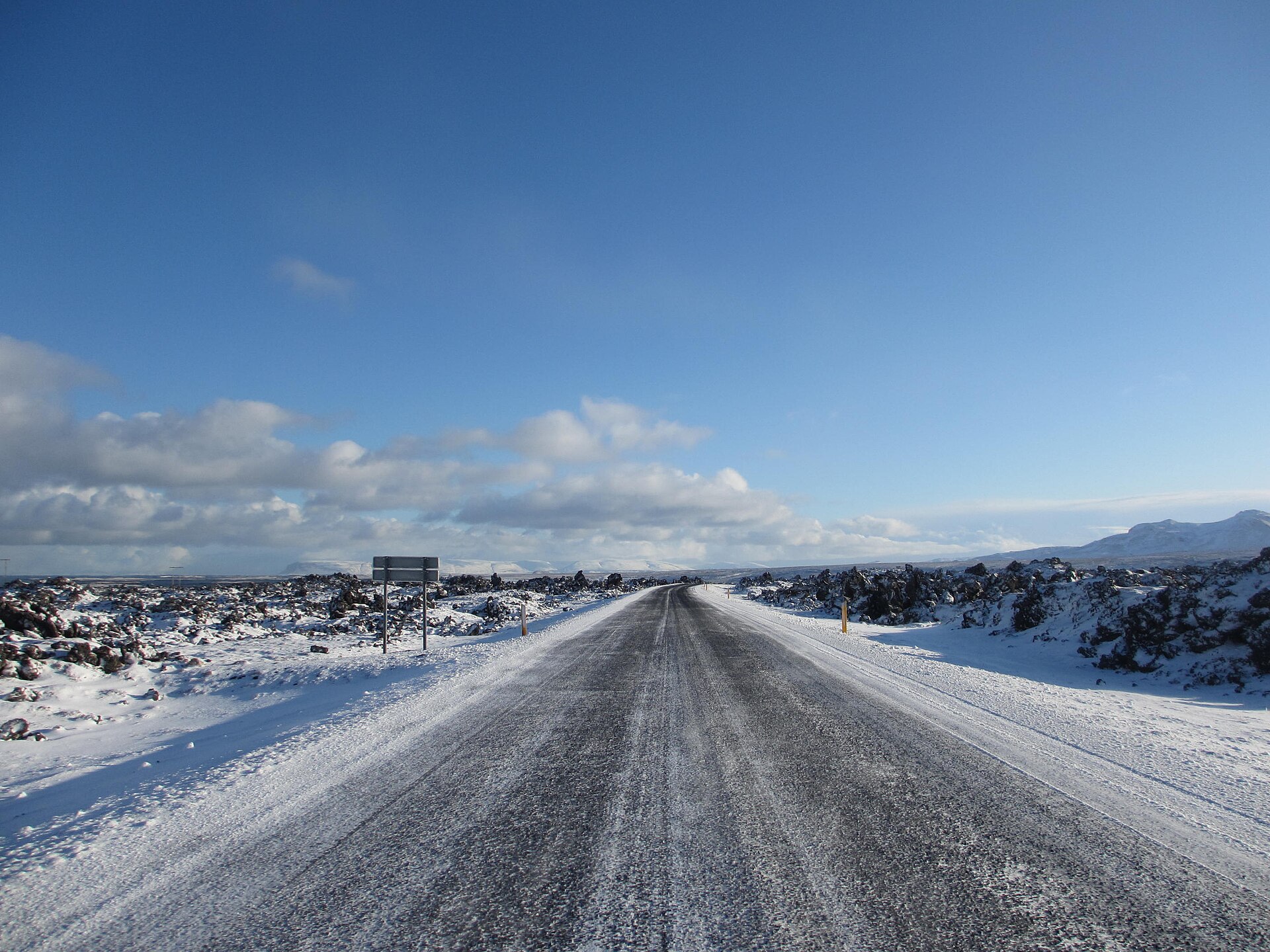
Spring melt can soften the mud, so shoes for the full route need a substantial tread. Autumn darkness arrives quickly; shorten the time spent shooting. In winter, if snow hides the markers, stay on the route you can clearly see. There is no prize for crossing an icy slope to claim “the full walk”. In summer, crowds use up more time at the parking area and platforms, making an early arrival more valuable than walking 30 minutes later.
During nesting season, the cliffs can be noisier. Give the birds space and keep your voice down. Do not follow seabirds towards the outside of the railings. Photographs are only part of the stop; a safe way back is what makes the route workable.
How to fit it into a Snæfellsnes route
If you stayed the previous night at a south-coast base covered by the Arnarstapi / Hellnar destination page, walk the shorter section in the morning, then continue west towards Djúpalónssandur or a volcanic crater. The coast becomes the opening stop of the day, before the afternoon rush for parking.
If you are turning in from Grundarfjörður or Stykkishólmur, check where you need to exit for the night. Borgarnes is still a drive away after the coast, so the full route needs to be finished before lunch. If you are staying in Arnarstapi, you can leave the long or short version until later and return to your accommodation when the wind is wrong.
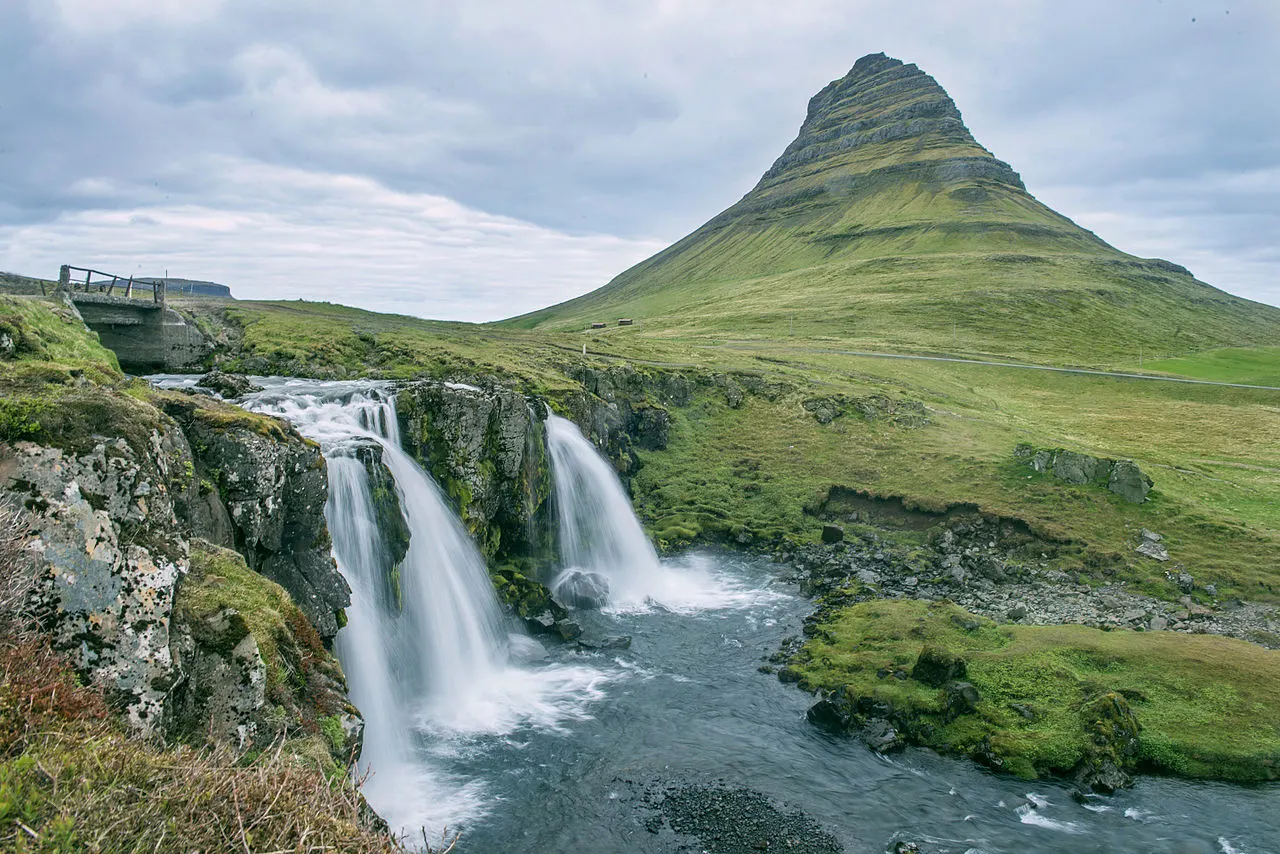
To compare how many days the peninsula needs, start with the Snæfellsnes Peninsula guide, then place the coast walk into a two- or three-day outline. If Kirkjufell photography or a cave meeting is also on the day, do not treat the full trail as a free extra. Two hours plus changing shoes, eating and navigating comes close to half a day in practice.
When it is sensible to skip the trail
If you have only an hour, are heading for a fixed meeting time, or the wind makes it hard to stand steadily, see the first Arnarstapi platforms and stop there. The scenery is concentrated enough to support a short visit, and there is no reason to sacrifice the next stop just to complete a route name. If someone in your group is wearing unsuitable shoes, leaving them at the nearest platform is more comfortable than forcing the full walk.
A Reykjavík day trip to Snæfellsnes taken only for this trail carries a substantial driving cost. On a first Iceland visit with just one day, prioritise sights closer to your accommodation direction. The coast walk has more room in a peninsula stay. The attraction is free, but your time still has a price.
The final itinerary call
With a free half-day, settled weather and accommodation on Snæfellsnes, plan the 60- to 90-minute version. Walk the full route only when you have a clear morning and no urgent meeting afterwards. Treat Arnarstapi’s arch and sea stacks as the reliable payoff, with the Hellnar extension as an optional extra, and the day remains flexible.
The most appealing part of this coast may be the few minutes you spend listening to the waves on a platform. Whether you take the photograph and leave or continue for another two kilometres should follow today’s wind, light and next exit. Keep a comfortable retreat available and Snæfellsnes stays more than a checklist of photo stops.
Parking belongs in the timetable too. Arnarstapi’s viewpoints cluster around the village entrance, and spaces are more likely to involve a wait around midday in summer. Once parked, confirm your direction of departure so you do not discover after the coast walk that you need to turn around on a narrow road. The café at the Hellnar end can be a useful warm-up stop, but opening hours change with the season, so do not rely on it completely for breakfast or a hot drink. In winter, stock up on water, snacks and fuel in Borgarnes or Reykholt before heading to the coast, leaving the trail time for the walk.
If you carry a camera, the coast’s wind will test the equipment before it changes the picture. Keep a lens cloth, spare battery and dry bag in an inside jacket pocket, and turn away from the wind when changing lenses. For phone photos, adjust your gloves so you can use the screen; otherwise every picture means bare fingers and a short walk can become a battle with the cold. Take five minutes after the platforms to pack your equipment before driving to the next stop.
There are no large shops or long indoor rest stops along the route, which matters for families and older travellers. Use the facilities and restock at your base first. A companion who only wants the view can wait at the first platform while others continue a little farther along the railings; regroup before leaving. Splitting the walk this way is easier on the timetable than making everyone cover the same distance.
Does the Snæfellsnes route fit?
Lock in your overnight exit before choosing the distance
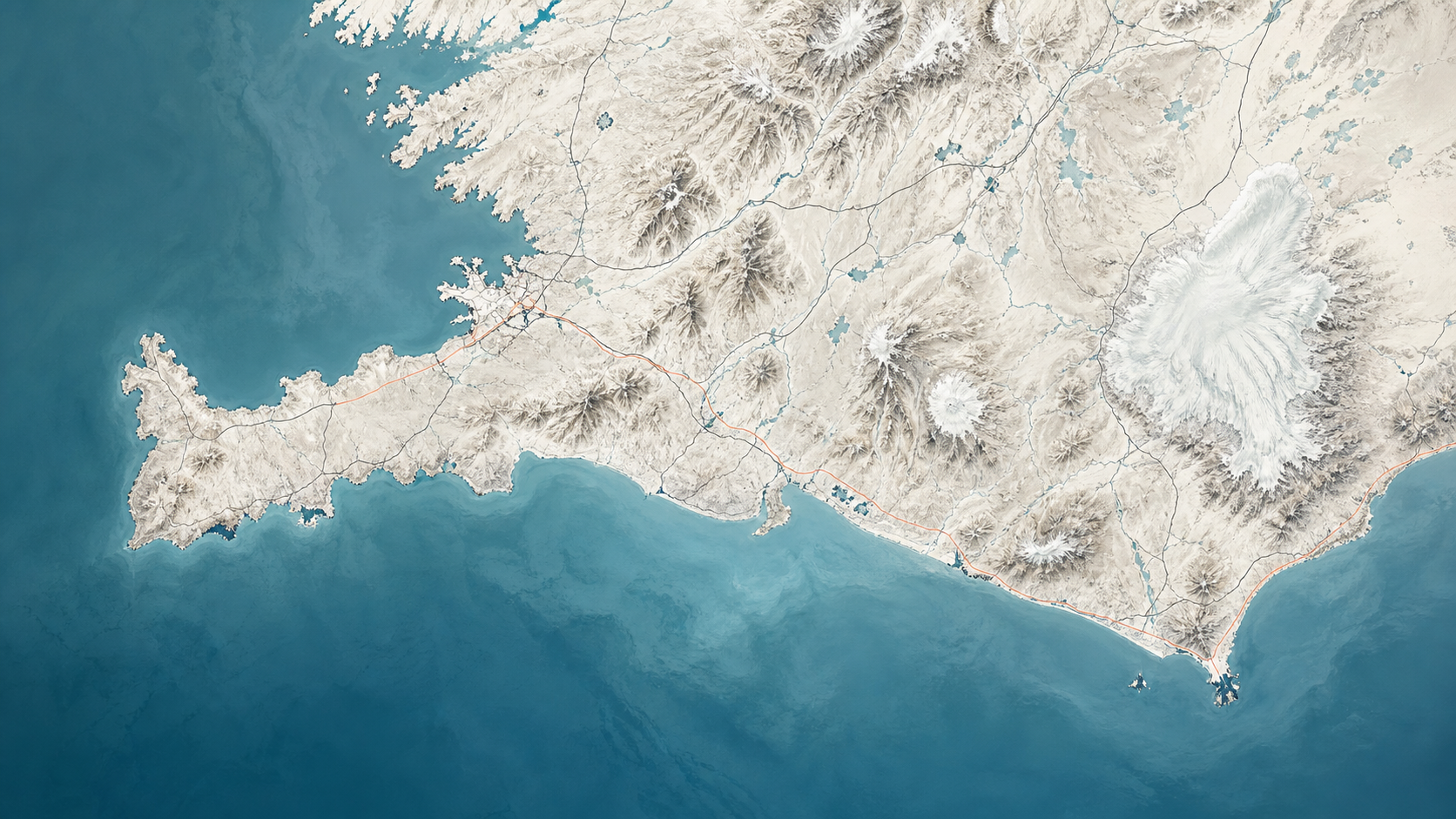
Use the positions of Arnarstapi, Hellnar and Borgarnes to choose the short walk, full route or a different next stop.
Related reading
If you are placing the walk into a peninsula itinerary, start with the Arnarstapi / Hellnar location guide; your overnight exit changes the time available.
More to read
Continue with the Snæfellsnes Peninsula guide, Kirkjufell stop and three-day slow Snæfellsnes itinerary.
Q&A | Arnarstapi to Hellnar Coast Walk
How long do I need for the arch?
Allow 45 to 60 minutes after parking for the main platforms and sea stacks.
How long should I allow for the full route?
Allow at least two hours for the return walk and photography, plus extra time in wind, rain or mud.
Can I walk it in winter?
Start with the shorter section near Arnarstapi; do not extend the walk when the ground is icy or snow has covered the markers.