
Match the stay context before reading the average
For a late arrival, check the last check-in, parking route and noise risk. For an early departure, check breakfast, hot water and checkout. For a longer stay, look for cleaning, laundry and usable space. Give the most weight to specific details from similar dates, room types and reasons for staying, then verify them on the official page. Reviews are clues, not terms and conditions or a survey of the whole property. Who handles each step at a guesthouse or hotel? and Does apartment self-catering really save money? help turn impressions into practical tasks.
ICENAVI REVIEW CHECK · HOTEL SIGNALS
Turn reviews into questions, then decide whether to keep the room
This is a decision score for whether reviews support a room choice, not a hotel rating. Reviews are a limited sample shaped by dates, room types, companions, language and personal expectations; verify them on the official page.
A review that matches your arrival time, room type, companions and next-morning task can directly change your choice; vague praise is only background.
Reviews with dates, room types, routes and observable details can become checks for the address, breakfast, parking, facilities or contact method.
Noise, cleaning or service problems appearing across different months, floors and room types matter more than one complaint with no detail.
Suites, standard rooms, peak season and winter have different conditions. If a review does not name the room type and date, lower your confidence rather than applying it directly.
When you arrive late, roads worsen or an activity is rescheduled, reviews can flag contact and self-check-in risks. Latest check-in and cancellation rules still belong on the official page.
The value of a review is not to vote for a hotel but to show which questions you must verify with official information. The closer the context and the fuller the detail, the more weight it deserves.
The easiest way to waste time is to sort by score from highest to lowest and read property after property until midnight. A hotel rated 9.1 may have no parking space you need; an 8.4-rated inn may sit exactly on your activity meeting route. Travel sites compress “good” into one number because numbers are easy to sort. Your itinerary is not easy to sort: it only needs somewhere that can handle tonight and tomorrow morning.
Separate reviews into fact, impression and context
“The room is 20 square metres” is a checkable fact; “the room is tiny” is an impression; “two large suitcases made it feel cramped” is context. All three can help, but they serve different purposes. Verify facts on the room page, look at how often an impression appears, and ask whether you would stay there in the same circumstances.
| Review wording | Which layer? | How to use it | What it cannot prove |
|---|---|---|---|
| “Hot breakfast food was available at 06:30” | Close to a fact | Confirm the date and breakfast box on the official page | Opening time is the same in every season |
| “The location was very convenient” | Impression | Ask whether walking, parking or meeting up was convenient | Your route tomorrow morning will be convenient too |
| “It was still quiet at 10 pm with children” | Specific context | Compare the arrival time and room position with yours | Weekends, peak season and every floor are quiet |
| “The bathroom was cold” | Impression plus a clue | Check heating, ventilation, room type and date | Heating failed throughout the property |
Negative reviews are a risk list, not a deduction sheet
Do not close the page immediately when you see “poor soundproofing”. First check whether the reviewer stayed in a street-facing room or one near the restaurant, or whether the whole property is mentioned. When someone says the staff were cold, distinguish a communication problem, no night reception or a one-off delay. Negative reviews deserve real attention when they repeat on different dates, describe observable details and hit one of your non-negotiables.
| Common negative review | What to ask first | Higher-risk signal | Acceptable alternative |
|---|---|---|---|
| Noise | Is the room near the street, restaurant, lift or shared area? | It repeats across different floors and months | Request an inward-facing room or choose a quieter base |
| Cleaning | Was it a problem on arrival, or was there no housekeeping during a longer stay? | There are specific photos, dates and room types | Choose a room with a clear housekeeping cycle |
| Location | Was the problem walking, a slope, parking or being far from restaurants? | You must leave in the opposite direction tomorrow morning | Put the stay back into your route, not just in the town centre |
| Service | Who is available at night, and how do you make contact after a delay? | You will arrive late or need help rerouting | Choose a property that explains check-in and contact times clearly |
The review date matters: the same Iceland room works in a different setting
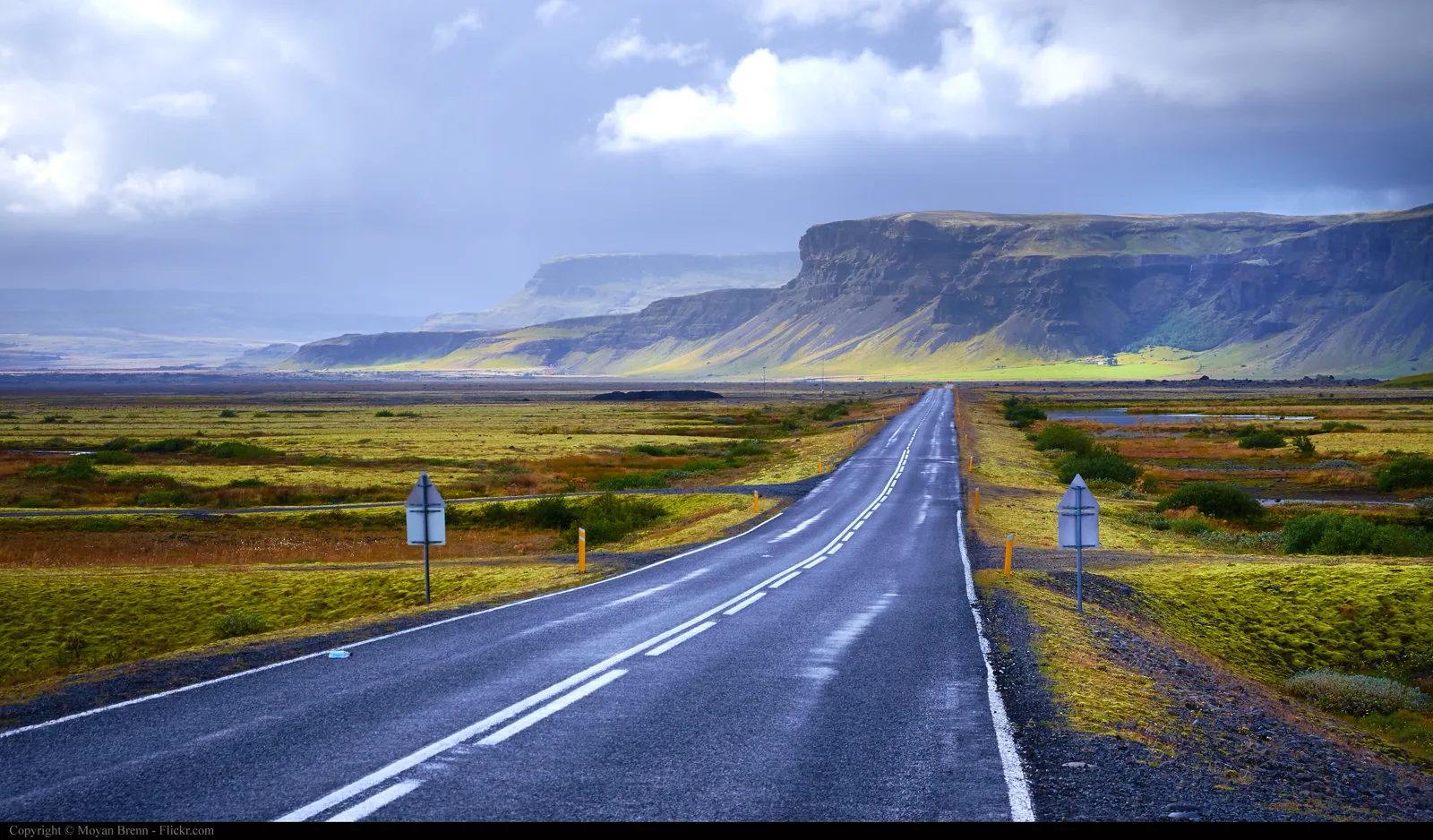
Summer reviews often mention long daylight, outdoor seating and full occupancy. Winter reviews mention darkness, wet snow, heating and roads. That does not make older reviews useless; they answer different questions. Spring and autumn bring thawing snow, crosswinds and shorter off-season service hours, so a July comment that “breakfast starts early and every facility is open” cannot stand in for the whole year. When you check a review date, also check the room type you are booking. Do not apply a suite’s bath experience to a standard room.
If a problem appears once, treat it as a clue first. If it repeats across different months and room types, raise its verification priority. The official hotel page can confirm location, room type, breakfast and cancellation rules. Reviews are better for details official pages often omit, such as whether luggage has to go up a slope or whether late-night self-check-in is straightforward. Parking and luggage costs can help test whether those details change your evening task. If a review says “the total suddenly changed”, use the accommodation taxes and extras checklist to separate tax-inclusive pricing, payment on arrival and usage-based charges.
Build your own five-part score instead of copying the platform average
After reading, record only five areas: whether the location works for tomorrow morning, whether check-in is reliable, sleep and bathroom, food/supplies, and flexibility when plans change. Mark each “evidence found”, “needs checking” or “not relevant to me”. That is faster than copying ten adjectives. If a non-negotiable still needs checking, the average score cannot answer for you.
| Five-part score | Clues to find in reviews | What to confirm on the official page |
|---|---|---|
| Location | The actual route to the main road, meeting point, restaurants and parking | Address, parking, entrance and map |
| Check-in | Late arrival, lockbox, reception and response speed | Latest check-in, contact method and no-show policy |
| Sleep/bathroom | Noise, bed type, hot water, heating and how much is shared | Room type, facilities and bathroom type |
| Food | Breakfast hours, restaurant distance and whether food can be bought after a late arrival | Breakfast arrangements, kitchen and nearby options |
| Flexibility | Rerouting, cancellation and what happens after an activity is delayed | Cancellation deadline, changes and payment terms |
Do not let one “great” review make the choice for you
Positive reviews are reassuring but rarely tell you where the boundaries are. When someone writes “great” or “would stay again”, ask: how many nights did they stay? Why were they there? Did they have a car? Did they need exactly what you need? If the reviewer left in the morning, skipped breakfast and did not carry luggage, that praise should not outweigh your own non-negotiables.
By contrast, a detailed negative review can save time. It tells you which room type, time of day and part of the route caused the problem. You can check the official page or choose another overnight stop. Read reviews this way and a hotel score stops being a contest over whose number is higher; it becomes a tool for turning unknowns into a verification list.
ICENAVI · FINAL REVIEW CHECK
Is this review describing the hotel, or that traveller’s itinerary?
Find situations matching your arrival time, room type and next-morning task. Turn impressions into questions, then check official information. If a negative review hits a non-negotiable, changing accommodation is often cheaper than persuading yourself that a high average score solves it.
Eight actions after reading the reviews
- Write down the task for this night: arrival, transfer, activity, longer stay or departure.
- Read only recent reviews with the same stay purpose and room type as yours.
- Rewrite “convenient”, “tiny” and “noisy” as observable route questions.
- Note negative reviews that repeat and include dates and details.
- Check the address, room type, breakfast, parking and cancellation on the official page.
- Mark the five areas as evidence found, needs checking or not relevant to you.
- If a non-negotiable still needs checking, do not use a high average score as the answer.
- Put the final choice back into the accommodation stop for each night, then compare the platform total for the same room type.
A score can narrow the field, but it cannot replace the route. Once you know which night you most need to protect, reviews become easier to read: stop chasing everyone’s “good” and look for evidence that removes one step from tomorrow morning.
Q&A | How do you check a stay against the itinerary quickly?
What is the most important judgement?
Check the number of nights, roads, accommodation exits and fixed activities first. Then decide whether to add a side trip or compare prices.
What should you check again before departure?
Recheck official road, weather, room, check-in and cancellation information. This article cannot replace a confirmation close to the travel date.
References
- Booking.com accommodation terms (how room type, reviews, cancellation, payment and no-show information is shown; the checkout page governs the actual booking).
- Visit Iceland | The Ring Road (background on Iceland roads and accommodation stops).
- SafeTravel Iceland (road, weather and pre-departure safety checks).
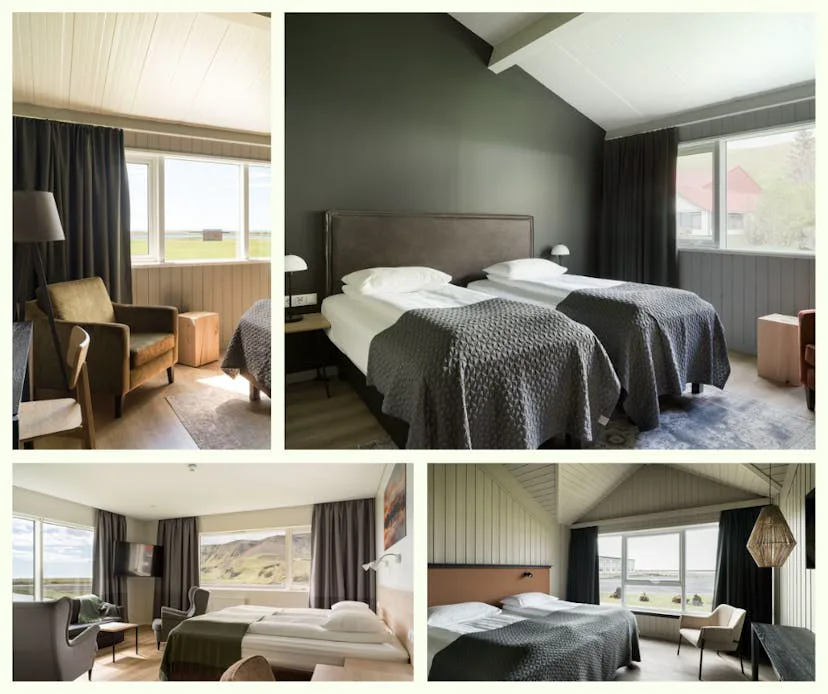
- Hero image: official room photograph from Hótel Katla; shown only to illustrate room space and not to represent the score, every room type, bathroom, breakfast or service available that day.
References
Roads, activity hours, accommodation policies and opening arrangements can change. Before departure, check each item against the sources listed at the end of this article.