
When you travel alone in Iceland, the real comparison is not two slogans about “rental-car freedom” and “the limits of tours”. It is who handles moving, navigation, parking, road conditions and fatigue each day, and who changes the itinerary if an activity is cancelled. Both options can take you to waterfalls, black-sand beaches and geothermal sites; the difference is whether you put your time and decision-making in the car or at meeting points and on a guided schedule.
Use four questions to choose your direction
First, are you happy to drive alone for three to five hours a day over several consecutive days? Iceland's Route 1 is not necessarily complicated, but wind, crosswinds, loose gravel, single-lane bridges, rain, snow and sudden braking traffic turn “just a straight road” into sustained concentration. Second, how much daylight will your dates give you? Third, are the sights you want suited to group transfers? Fourth, will the single-traveller premium on car hire and accommodation consume the value of that freedom? Once you have answered all four, the vehicle and hotel choices start to make sense.
| Your situation | Better fit | Why |
|---|---|---|
| Three to five nights, winter, first visit | Reykjavík base + day tours | No need to find your way in the dark with short daylight, and cancellations or changes are easier to handle |
| Seven or more nights, June to August, want minor-road sights | Self-drive or hybrid | Longer daylight adds flexibility, and the solo car cost can be spread across more free time |
| Dislike long drives, want to meet other travellers | Small-group or day tour | Leave driving, parking and destination commentary to the tour team |
| Fixed ice-cave, snow or early-morning activity | Accommodation near the meeting point + transfer | Meeting times and safety equipment are easier to control than when driving yourself |
The fatigue cost of solo driving is more than kilometres
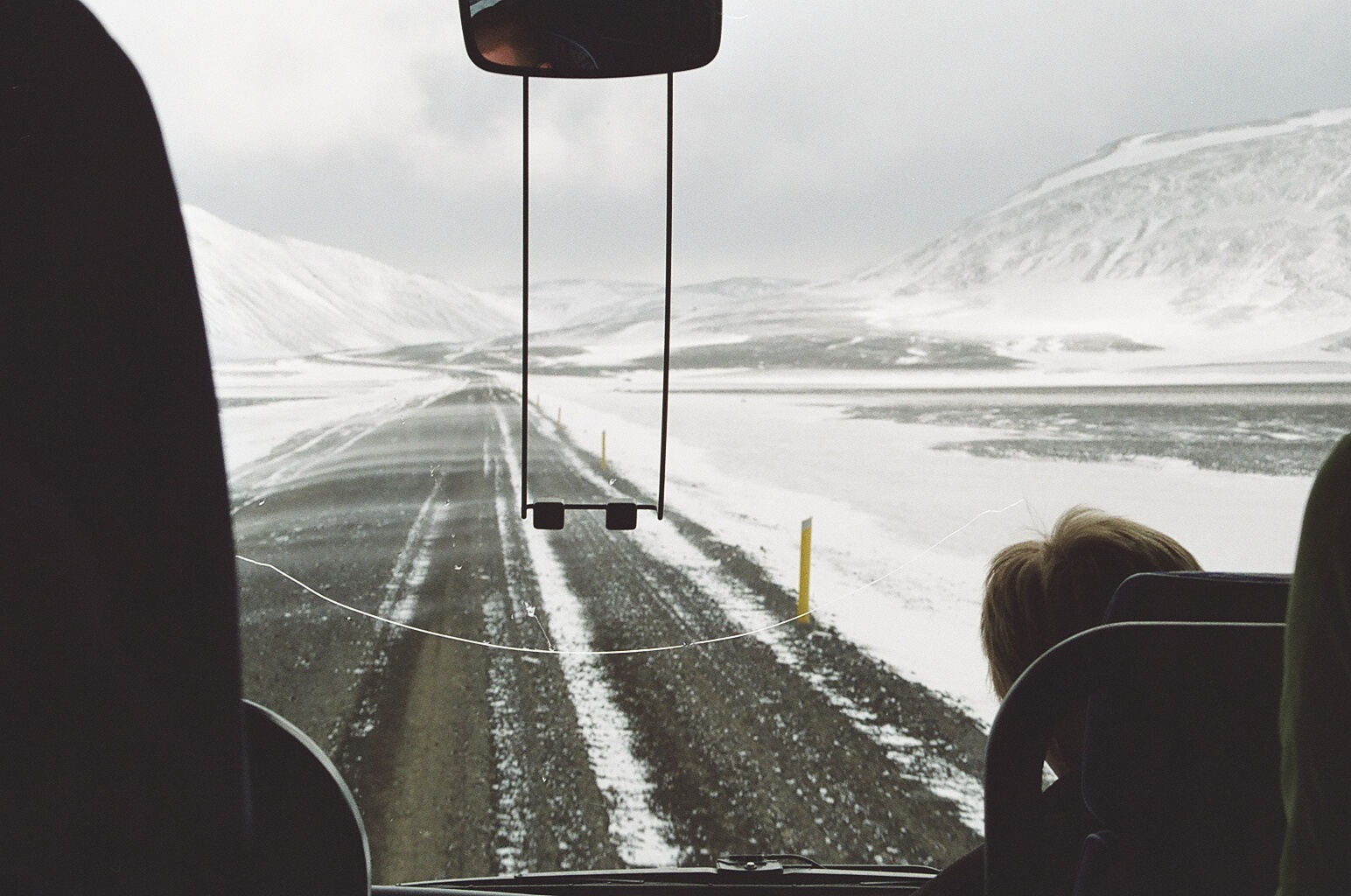
When you drive alone, set the navigation before leaving and keep watching the wind and road signs; there is no passenger to ask to “keep an eye on this”. At every stop, you decide whether the car is locked, where to put the camera and coat, and where the next toilet is. Seljalandsfoss, Skógafoss and Reynisfjara black beach on the South Coast may look like stops along one line, but the day also includes walking, wind and rain, car parks and warming the car again. If you push east of Vík on the same day, your attention can drop noticeably during the final stretch.
Fatigue is not a question of willpower. If you start yawning after lunch, need frequent steering corrections in crosswinds, or delay returning the car to chase sunset, remove the last stop of the day. One of the most useful safety rules on a solo trip is to write a firm latest return time into the itinerary, such as 4.30pm in winter and 7pm in summer; after that, head back to base. This boundary also affects your hotel choice: a simple room near Route 1 with easy parking is often better for a solo driver than a remote room chosen only for its view.
Car hire and accommodation: spread fixed costs across each day
The rental quote is only the starting point. Add the insurance excess, winter tyres or extra cover, fuel, parking, tunnel or ferry charges, and the time spent collecting and returning the car. When two people share a car, the rental and fuel can be split; alone, you carry the full amount. If you would hire a car for only two full days, an airport transfer plus two day tours may cost less, while also saving the work of learning the car at collection and checking it over at return.
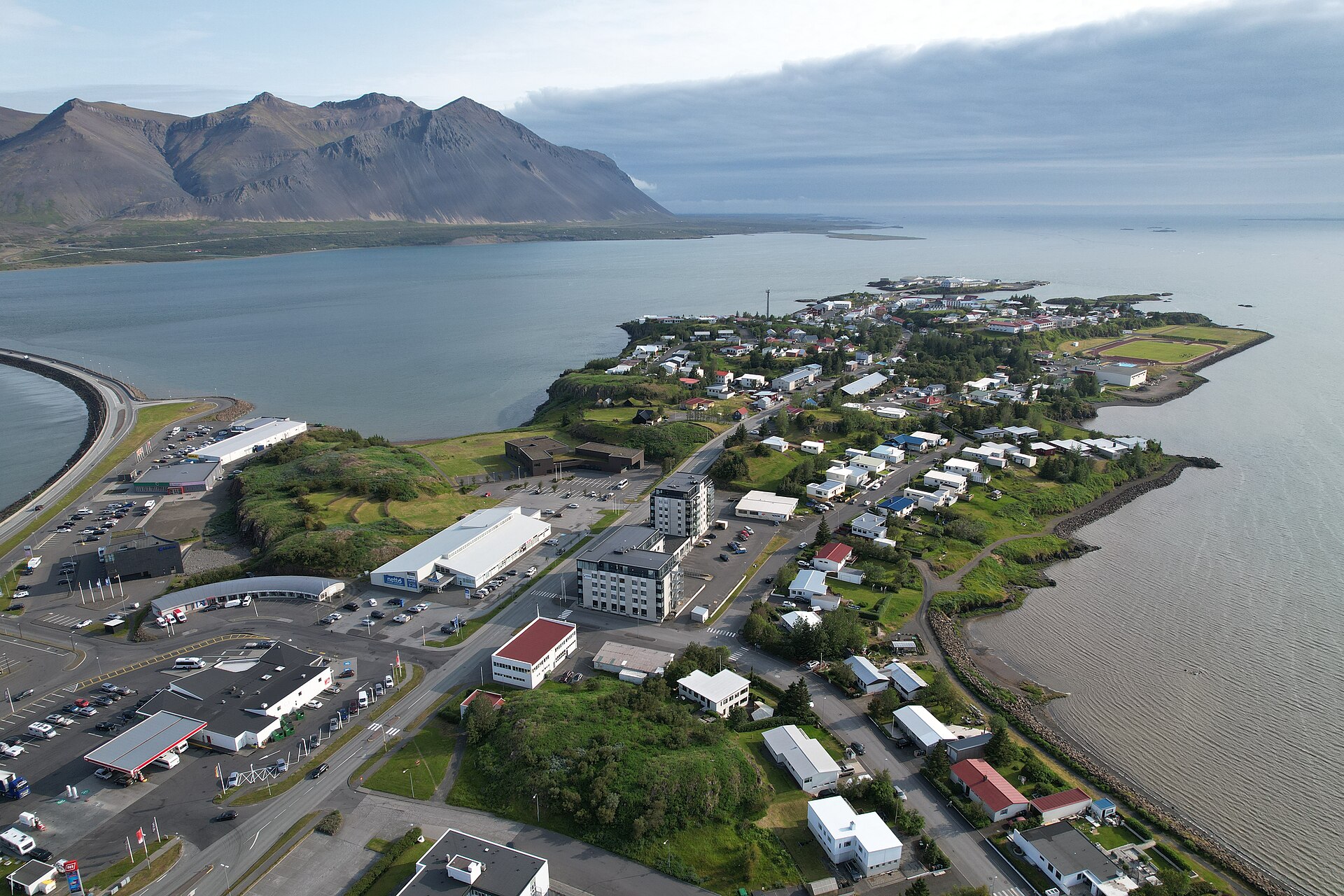
Accommodation follows the same maths. A single room in central Reykjavík may cost more per person than a twin room outside town, but a base can save daily packing, night driving and repeated cleaning fees. If the hotel has a kitchen, breakfast and a simple dinner can reduce eating-out costs; if you join an early tour every day, the kitchen only helps if you can still leave on time. Put nightly room rate, breakfast, parking, transport and the risk of non-refundable bookings in one line, then compare that with tour costs. The result is usually more reliable than asking only how much the rental costs per day.
How to divide the work across three common routes
Golden Circle: the easiest case for a day tour
Þingvellir National Park, Geysir and Gullfoss are concentrated north-east of the capital, with an established route and plenty of day tours from Reykjavík. Self-drive lets you add Kerið, Flúðir or Secret Lagoon and arrive at quieter times; the price is dealing with parking, weather and the return journey. For a first solo trip focused on the main sights, a tour is usually enough; compare a rental when photography, bathing or staying for particular light matters to you.
South Coast: the activity meeting point decides whether to hire
The South Coast from Reykjavík to Vík, then on to Skaftafell and Jökulsárlón, covers a long distance. A day tour can handle the western waterfalls and black beach, but Jökulsárlón as a same-day return uses the whole day. If you are visiting only the western South Coast for two days, a base plus tours is the least demanding option; with seven to nine nights, wanting sunrise in Vík, a slower walk around Dyrhólaey, or an ice-cave activity near Vík, split self-drive days and one or two bases make more sense. Ice caves and glacier hikes normally still require a licensed team meeting, even if you drive there yourself; hiring a car does not make them independent activities.
Reykjavík: keep one day for the city and weather
Hallgrímskirkja, the Old Harbour, Harpa Concert Hall and city pools can be covered on foot or by bus. Do not hire a car for the city day: you save parking and navigation time. If wind and snow hit the South Coast, stay at base for museums, cafés or indoor activities and keep the next day open. Booking the first and last night in the same city base also reduces luggage moves; that is practical work the hotel does for your route.
Season and daylight can change the answer
From June to August, the midnight sun extends usable hours, so a solo driver can leave early, stay longer at sights and return to the accommodation in the evening; long daylight can also make it easy to keep saying “it is still early” and push the return time into a tiring part of the day. From September to April, daylight is short, and after October, wind, snow and road changes appear more often. Drivers need to check road information, weather warnings and a safe base together. In winter, when an activity has a fixed check-in time, a tour transfer reduces driving in the dark and the effort of finding the entrance; if the road warning escalates, a cancellable room in Reykjavík is more useful than forcing your way to the next hotel.
The Northern Lights are not, by themselves, a reason to self-drive. You can join a Northern Lights tour from Reykjavík and let the driver follow cloud cover and the live forecast; a rental gives you freedom, but also a return journey through darkness, ice and fatigue. If you want to photograph the lights, choose accommodation with clear parking and a straightforward route back indoors, and leave room for a late start the next day.
How meeting points save real time
Before booking, open the activity confirmation and check whether the meeting point is your hotel entrance, a designated bus stop or a car park outside the city. Reykjavík buses do not stop at every hotel door; add walking, waiting and early check-in time to your morning. A South Coast ice-cave tour may meet in Vík, at Katla or farther east, so the wrong base can mean leaving an hour early even when you have a car. The value of a base is reducing one long transfer on a fixed activity day, not making the accommodation pin look attractive on a map.
Hybrid plans: hire the car for the days that repay it
One option is to spend two nights in Reykjavík, take a Golden Circle or western South Coast day tour, then collect a car for three or four days and travel towards Vík, Skaftafell or the Snæfellsnes Peninsula before returning the car at the airport. This concentrates parking and rental costs on the sections where you need flexibility, while giving you time to adjust to the time difference and weather. Another version is to stay in the capital throughout and hire a car for one day around the Golden Circle; that suits someone who does not want to move luggage but wants control of one short route.
With a hybrid plan, check the collection and return locations, the insurance start date, luggage storage and hotel check-in time. Do not schedule a long drive immediately after landing; make the first leg a day with longer daylight and simpler roads so you can get used to the vehicle. If you have already paid for a non-refundable tour, put the self-drive day where changes are easiest, so one cancellation does not force you to rush across the country on the same day.
Count waiting as part of a day-tour cost
A day tour costs more than a seat in a vehicle. You leave the hotel at the meeting time, wait at several pick-up points and accept the group's shared rhythm for toilets, lunch and photographs. Those minutes are not necessarily wasted: someone else watches the wind, parking and roads, while you can sleep in the vehicle, organise photos and avoid making a solo decision when conditions change on Reynisfjara. When comparing options, write down the genuinely usable, alert hours each day. If fatigue would otherwise send you back to your room early, the tour's travel time may return more usable energy than it consumes.
The backup plan for a self-drive trip needs to be written out in advance. If your phone loses signal, do you have an offline map, the hotel's phone number and the nearest fuel station? If a road closes suddenly, which town can you reach safely? If an activity is cancelled, can you switch to an indoor sight without speeding or driving at night? With no companion to check your blind spots, share each night's address, expected return time and the next morning's first stop with someone you trust. These arrangements will not appear in the rental's daily price, but they are part of the attention a solo self-drive trip requires.
ICENAVI · SOLO ROUTE FIT
Buy back sleep before you buy back freedom.
Solo self-drive suits long daylight, a longer holiday and travellers who want to explore minor roads; a base with day tours suits short breaks, winter, fixed activities and anyone who does not want to handle every road decision alone. Choose transport by what tomorrow's first task requires, and the answer will be steadier than choosing by “freedom” or “cheapness”.
Related reading
How to plan four days in Iceland without driving, Comparing South Coast day-tour stops and hours.
More to read
Iceland self-drive hub, Accommodation hub and Seasonal guides.
Q&A | Transport choices for travelling alone in Iceland
Is hiring a small car always cheaper for one person?
Not always. Add insurance, fuel, parking, the accommodation premium and collection and return time, then compare the total with day tours and airport transport; over a short trip, a tour may spread the driver's cost more efficiently.
Should you never self-drive in winter?
No. If you have winter-driving experience, flexible dates and an early return time each day, short sections of the main road can still be considered; check same-day road and weather conditions first, and prepare cancellable accommodation.
Does the activity meeting point matter more than a hotel's rating?
For a fixed-time activity, yes. The actual walking or driving time from the hotel to the meeting point, bus stop and main road directly changes your sleep and late-arrival risk.
References
- SafeTravel Iceland (road safety and pre-departure checks).
- Vegagerðin / Umferdin (same-day road conditions).
- Icelandic Met Office (weather, warnings and daylight information).