
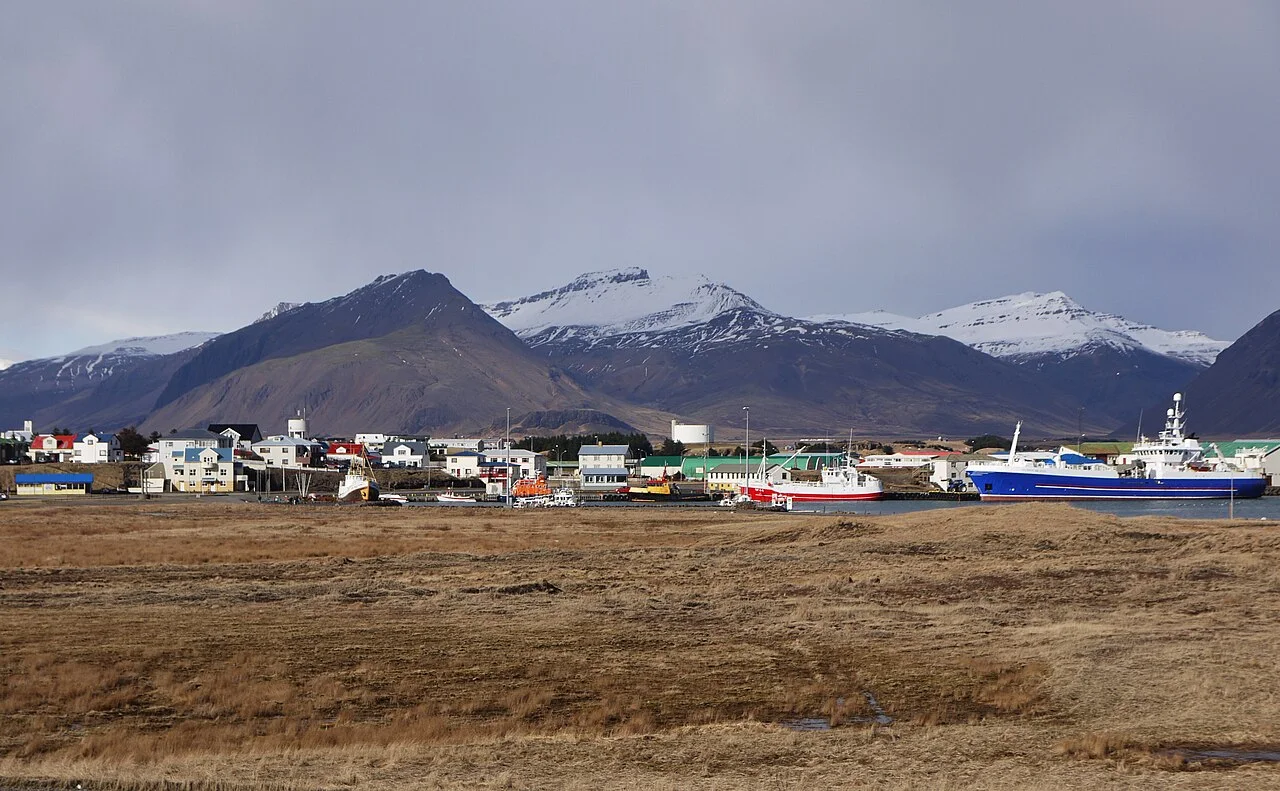
ICENAVI DECISION FILE · ICELANDIC SEAL CENTER
The Icelandic Seal Center is at Strandgata 1, 530 Hvammstangi, beside the harbour. From May to the end of September 2026 it is open daily from 10:00–18:00. Adult admission is 1,900 ISK (about HK$110 / NT$460); children aged 0–15 enter free. In winter, opening is listed as weekdays from 11:00–15:00.
It answers the question: what if we do not see a seal?
Wild seals do not appear to a visitor timetable. Through exhibitions, research material and local stories, the Icelandic Seal Center explains seal species, coastal habitat and responsible viewing. You arrive on the peninsula with a realistic expectation: a sighting depends on weather, tide, distance and patience together. That is different from buying a boat ticket and expecting a seal chase from the harbour.
The center’s value is indoors. When rain strengthens or wind makes the beach unpleasant, you can still understand Vatnsnes geography and seal behaviour. Adult admission at 1,900 ISK is reasonable, and children aged 0–15 are free for families. Groups of more than ten may have an adult group price of about 1,500 ISK. Guided tours and talks by marine biologists cost extra, so standard admission should not be treated as a complete guided tour.
Match opening hours to Route 1
Summer information lists daily opening from 1 May to the end of September, 10:00–18:00. From 1 October to the end of the following April, winter hours are listed as weekdays, 11:00–15:00. After turning off Route 1 into Hvammstangi, see the center first and then decide whether to continue onto the Route 711 peninsula loop. This order lets you adjust viewing places around the tide, wind and remaining daylight. If you arrive on a winter weekend, do not treat the center as an indoor fallback that is certain to be open.
Allow 45–60 minutes inside; with parking, the harbour walk and tickets, the stop takes about 75 minutes. Add time for a guided tour or group talk. You can find simple food and toilets near the center, but options become sparse deeper into the peninsula, so refuel and fill water bottles in Hvammstangi before setting off.
| Your time and weather | Choose first | Time to allow | Why |
|---|---|---|---|
| Clear weather, with half a day for the peninsula | Icelandic Seal Center → Route 711 | 45–75 minutes before setting out | Understand the viewing places first, then keep outdoor time for the tide |
| Strong wind and rain, beach uncomfortable | Icelandic Seal Center only | About 1 hour | Keep the indoor content and do not force the coastal drive |
| Only one hour before returning to the main route | Short Icelandic Seal Center stop | 45 minutes | Skip the peninsula side road and keep the return manageable |
| Arriving on a winter weekend | Check opening first; skip it if needed | Work around the day’s plan | Winter information lists weekdays, 11:00–15:00 |
Read the map for the peninsula entrance and return
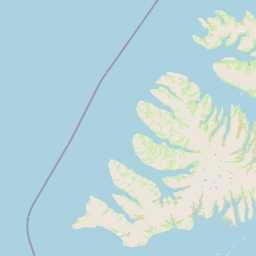
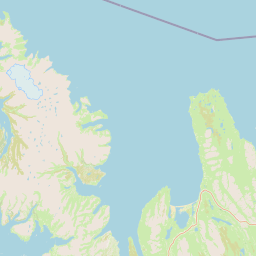
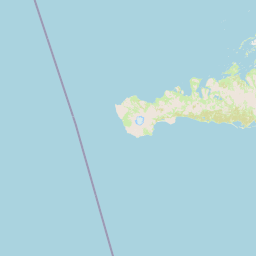
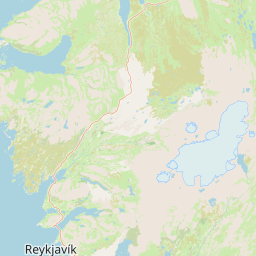
The map below marks Hvammstangi, the Icelandic Seal Center, Hvítserkur, Illugastaðir, Ósar and Route 1. It uses a real OpenStreetMap base map for orientation only and does not replace navigation. The center is close to the main route, making it an information stop before the Vatnsnes Peninsula; deeper viewing places require extra time for gravel roads, parking and waiting.
HvammstangiÓsar
Seal viewingHvítserkur
Sea stackRoute 1
Ring Road
How much time should you leave for seal watching?
When travelling with children, use an hour at the center to establish the basics of seals and the coast, then make the outdoor part one safe viewing stop. If a child gets cold or restless, return directly to Hvammstangi; the route still works. Adults hoping to wait for wildlife should keep camera batteries, warm gloves and binoculars within easy reach, rather than unpacking the whole car at every stop.
When planning the route, calculate “arrive at the center” separately from “start looking for seals”. After turning from Route 1 into Hvammstangi, allow time to find a parking space, walk to Strandgata 1 and buy tickets. Once you leave the exhibition, use the day’s wind to decide whether to take Route 711. If you arrive at 16:00, summer may still allow a short look, but the winter center closes at 15:00 and the coast loses daylight quickly. That difference directly affects whether the peninsula detour makes sense.
A tide table can help you order viewing places, but it is not a wildlife timetable. At low tide, more rocky shore may be exposed, making it easier to look from a safe distance at resting seals. With the tide in, seals may move towards the water’s edge, while wind and swell make them harder to identify. Put the tide, sunset and return drive on the same itinerary page so you know the latest time you can wait at a viewing place. Once you reach that limit, leave and save the next attempt for steadier weather.
Road surface, standing water and wind on the Route 711 side road can change each day. The area around the Icelandic Seal Center has signal and supplies; towards Ósar and Illugastaðir, rely less on live phone information. Download an offline map, note parking places and estimate the time back to Route 1 before leaving. Keep enough fuel in the car; do not hand the peninsula’s waiting time to the last bar on the gauge. These preparations cannot make a seal appear, but they can stop a short stop becoming a dark-night return.
The Icelandic Seal Center can stand on its own, while peninsula viewing needs patience. The view of the sea stack at Hvítserkur is clear and rewarding but is not a guaranteed seal location; around Illugastaðir and Ósar, it is better to put the camera down and search slowly with binoculars. At low tide, more reef and beach may be exposed, while wind direction and tide change how far you can see. Do not estimate seal watching as “five minutes in the car park”; leave at least 30–45 minutes for each viewing place.
If you have half a day, the Icelandic Seal Center plus one viewing place is enough. A full day on Route 711 gives you room to wait and still manage the return. There are no major supply points on this side road, so carry water, snacks and a windproof layer rather than leaving early because you waited for one seal. Even without a sighting, the exhibition gives the stop substance instead of leaving you with only an empty beach photograph.
Where you sleep changes the value of the stop
If you stay in Hvammstangi, put the center before check-in or first thing the next day. From Borgarnes or Blönduós, decide according to which side you enter the peninsula. If dinner and accommodation are on the other side of Route 1, entering Route 711 late in the afternoon can push the return into darkness. Read the Vatnsnes Peninsula guide first, then compare the supplies and accommodation access points in Hvammstangi.
Driving north from Reykjavík, the center can be your first cultural stop in northwest Iceland, but do not force Snæfellsnes or Akureyri into the same day. Driving south from Akureyri, if Grábrók and Hólar are already on the plan, keep the Icelandic Seal Center for another night; a long drive and side-road waiting can make three stops lose their rhythm.
Seasonal and family planning
May to September brings longer opening hours and more daylight for waiting on the peninsula. From October to April, the center is listed as open only on weekdays, 11:00–15:00, and snow or coastal wind can slow Route 711 further. If you only want the indoor information, confirm the center first; otherwise save outdoor viewing for a day with stable weather. Seals are wild animals, so a ticket cannot buy a guaranteed photograph.
Children aged 0–15 enter free, so families can see the center before deciding whether to drive around the peninsula. Older relatives or anyone who would rather avoid the beach can stay near the exhibition while others take a short harbour look and return. This split is more comfortable than making everyone complete the same gravel side road. Keep your distance while viewing; do not feed or chase seals, and do not step onto slippery rocks.
If you are continuing north the next day, write down the direction of travel before leaving the peninsula: returning to Route 1 towards Blönduós is a different plan from turning back south. A short center stop fits a transfer day; a complete peninsula loop is better paired with a night in Hvammstangi, so viewing does not have to be squeezed around lunch. This trade-off protects the flexibility of the itinerary better than adding one more attraction.
ICENAVI Vatnsnes seal peninsula decision card
Wildlife appearances cannot be scored; this card rates only how the location and information help your itinerary.
I treat the Icelandic Seal Center as the starting point for Vatnsnes, not as proof that you will see a seal. If Route 711 is already on your plan, go in; in poor weather, keep to the exhibition; if you are simply moving quickly to the next town, keep your time on Route 1. Knowing when to stop and when not to wait is where this small town earns its place.
Before leaving, check fuel, phone signal and the accommodation address, then decide whether to go deeper into the peninsula. If waiting runs over, remove the next low-priority stop rather than the return buffer. Northern landscapes will not lose their character because you skip one parking place, but missing check-in can turn the whole evening into recovery work.
Does the Vatnsnes route fit?
See the seal center first, then decide how far to drive
Plan an indoor information stop or a full peninsula visit around Hvammstangi, Route 711 and your next night’s accommodation.
Related reading
If you have decided to drive the Vatnsnes Peninsula, read the seal-watching and Route 711 guide before setting the center stop.
More reading
Hvammstangi, the North Iceland cultural exhibition and North Iceland itineraries are the natural next pages.
Q&A | Icelandic Seal Center
What is the 2026 adult admission price?
Adult admission is 1,900 ISK; groups of more than ten are about 1,500 ISK, and children aged 0–15 enter free.
Is it open in winter?
Information lists weekdays from October to the end of April, 11:00–15:00; check the day’s arrangement for weekends.
Are seals guaranteed?
No. The center provides context, while wild-seal viewing depends on tide, weather and distance.